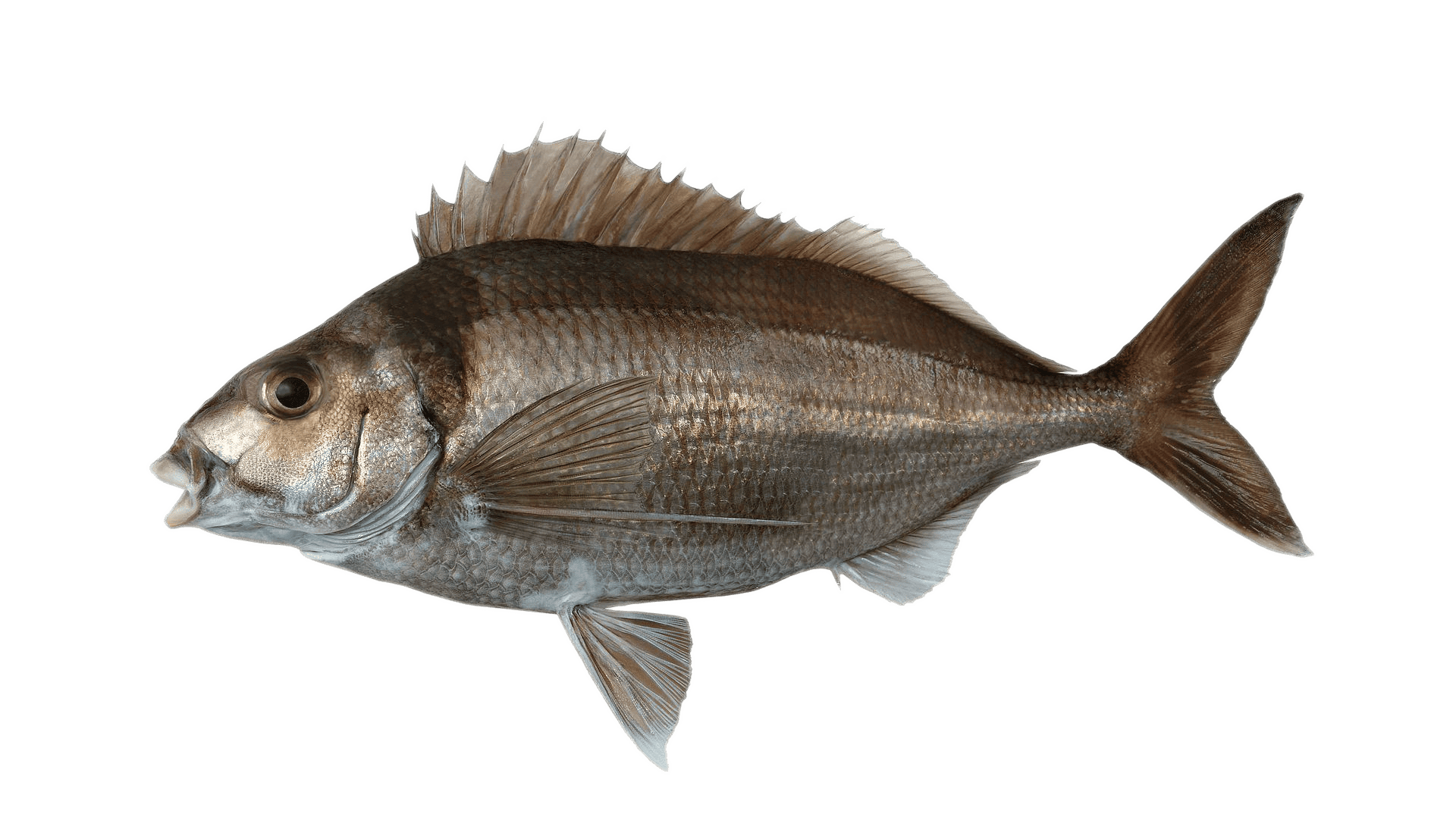
Latin Name: Nemadactylus macropterus
Weight: 0.9–2.5kg, up to 6kg
Length: 30–40cm
Family: Tarakihi belong to the Cheilodactylidae family (terakihi, morwongs) and are common around New Zealand.
- Wild Caught
- Farmed
Location
They are most abundant south of East Cape, around Cook Strait, and on the east and west coasts of the South Island.They are pelagic as post larvae, bottom dwelling around reefs as juveniles, and school over the open bottom as adults at depths of 100 to 250 metres. In winter, they are found at depths of 50 to 100 metres.
Sustainability
Tarakihi have been fished commercially in New Zealand for more than 100 years. Commercial catch levels have been fairly stable at 3,500 to 6,500 tonnes annually since 1945, with some short-term fluctuations and regional variations. Tarakihi abundance is regularly monitored using commercial catch rate and trawl survey information.
Fishing Methods
Fishing Season
-
JAN
-
FEB
-
MAR
-
APR
-
MAY
-
JUN
-
JUL
-
AUG
-
SEP
-
OCT
-
NOV
-
DEC
Nutrition
Source: Vitamin D, Iodine, Phosphorus, Potassium
Good Source: Niacin (vitamin B3), Vitamin B6, Vitamin B12, Selenium, Omega-3 fatty acids
Seafood is a highly nutritious food and is a great source of protein. Many species are low in saturated fat and a number of them are a good source of Omega 3.
Did you know?
Tarakihi is one of the top fish for Kiwi consumers. For many years, it was New Zealand’s second most important commercial catch.
Cooking Tips
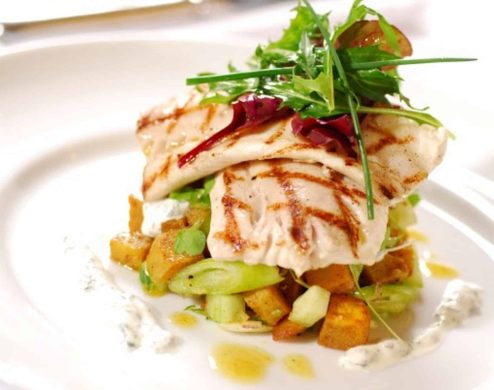
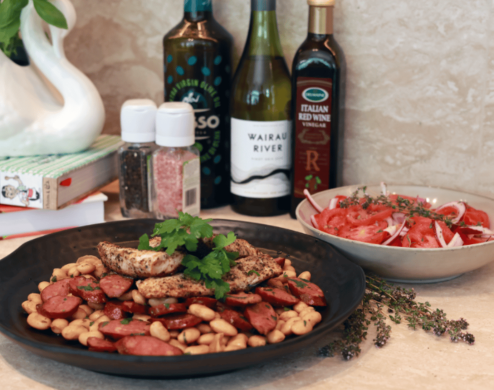
Tarakihi has medium to firm white moist flesh, suitable for most cooking methods. It can be used in a delicate or strongly flavoured dish.
Try it
- baked
- barbequed
- curried
- poached
- marinated
- soup/chowder
- sushi/raw.