Inshore Fisheries
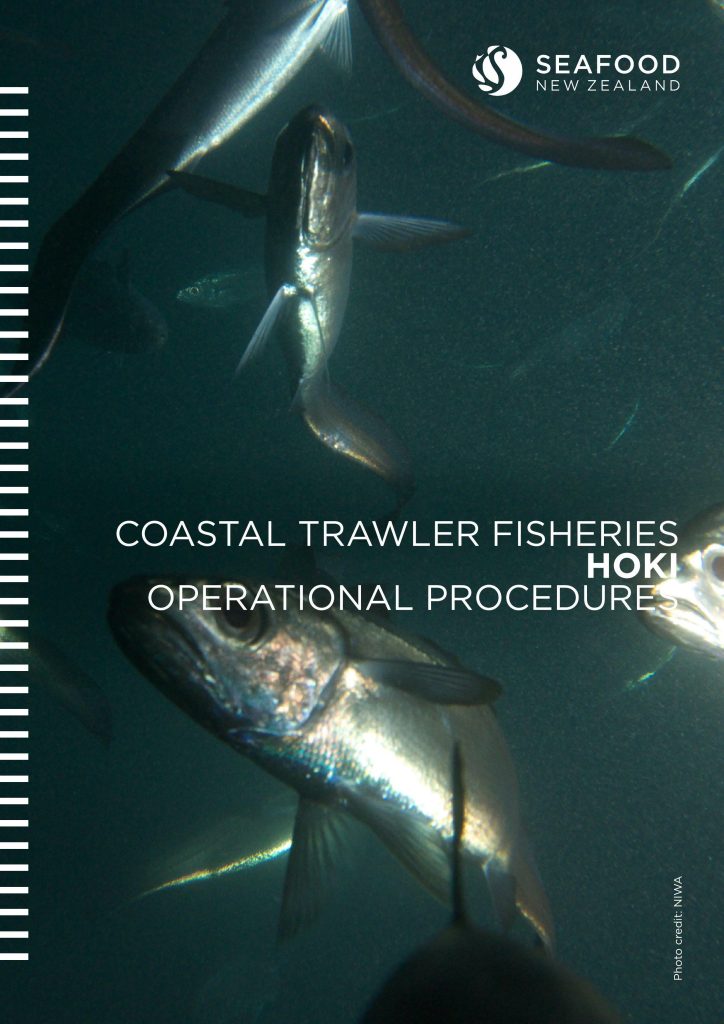
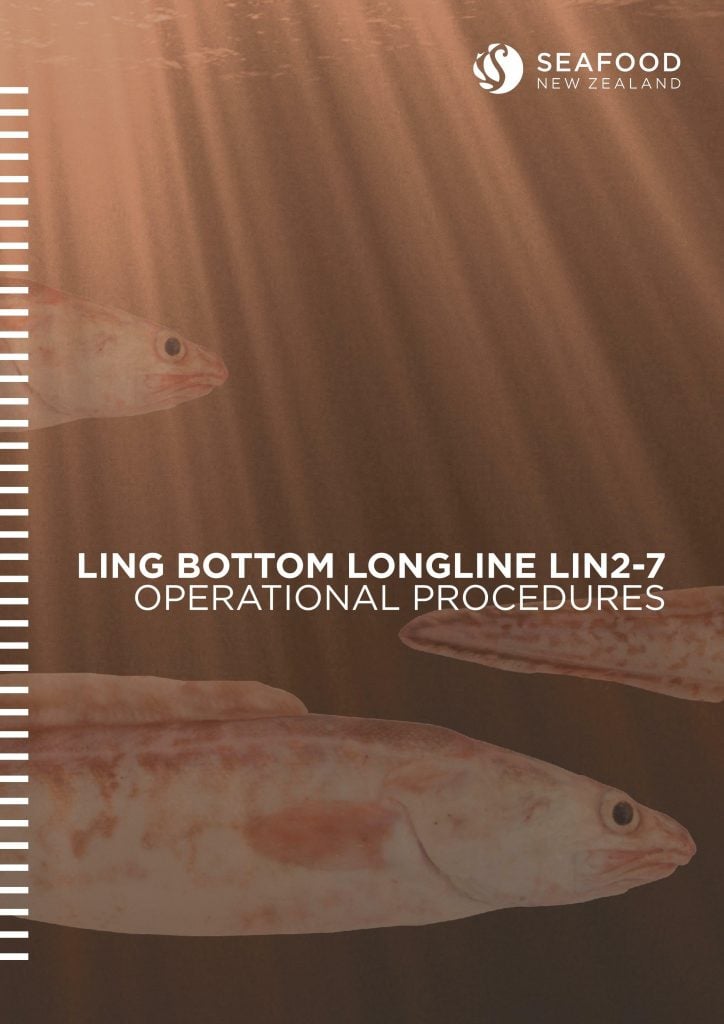
Operational Procedures for the inshore fleet outline a structured approach to mitigating risk to protected species. They reference and summarise the legal requirements as well as voluntary measures taken to minimise risk. They outline key responsibilities of skippers and crew and systematically address the parts of fishing operations where risk arises and how to minimise it. At-risk species are described by area, season, and risk profile.
Operational Procedures are generic for each fishing method and region and complement resources supplied to vessels through the DOC liaison programme. Every vessel will also have a vessel-specific Protected Species Risk Management Plan which describes how the regulations and operational procedures are applied on that particular operation.
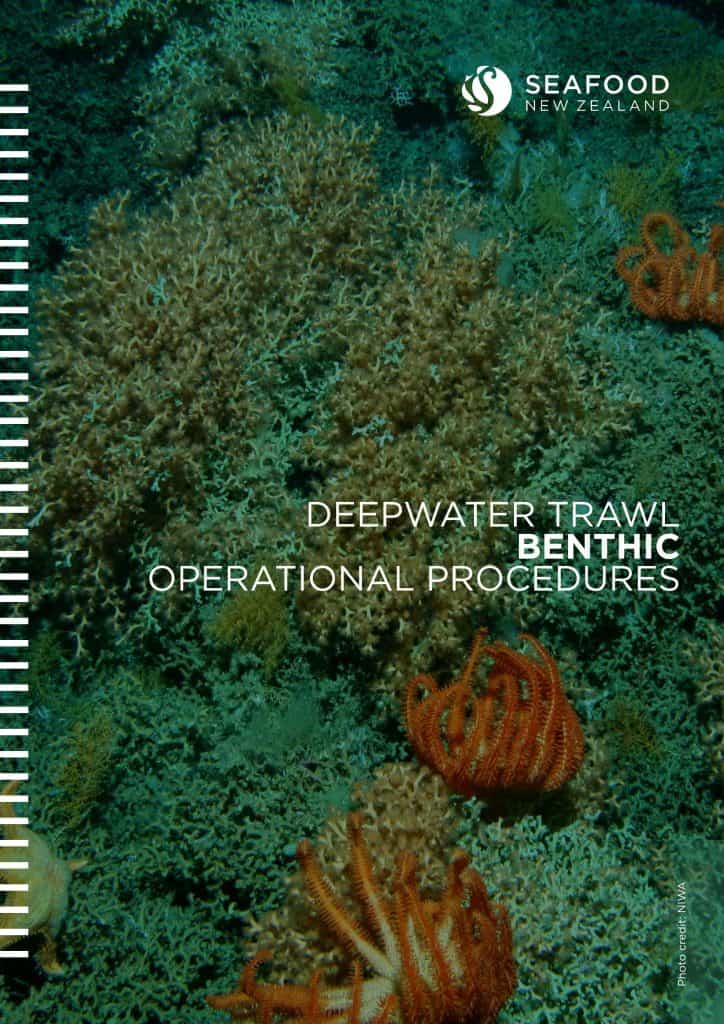
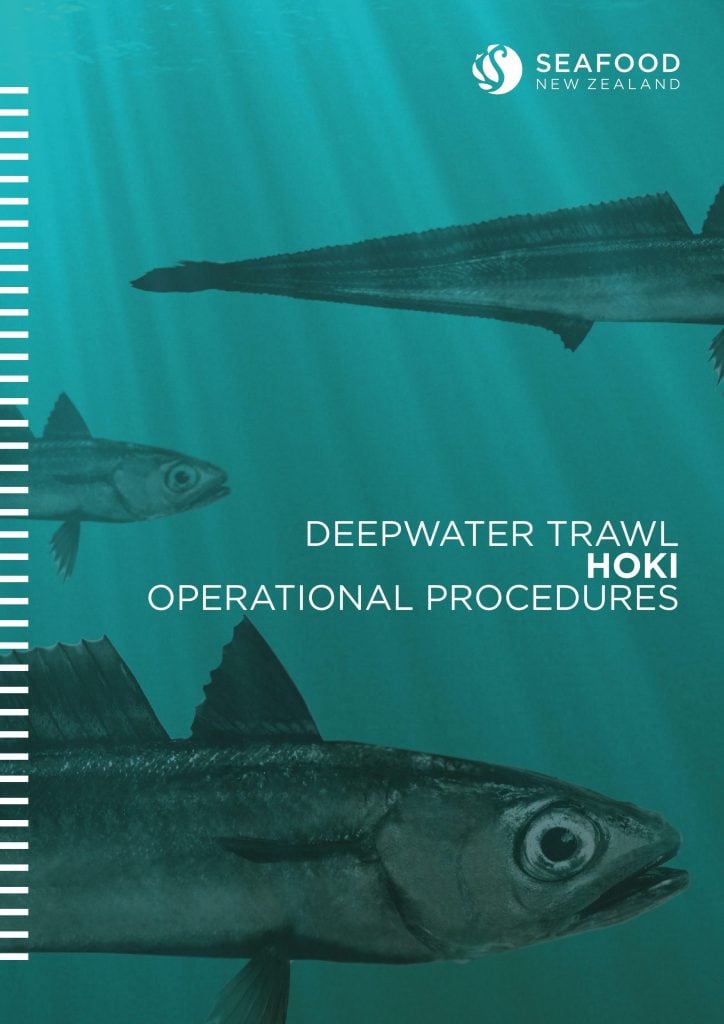
Deepwater Fisheries
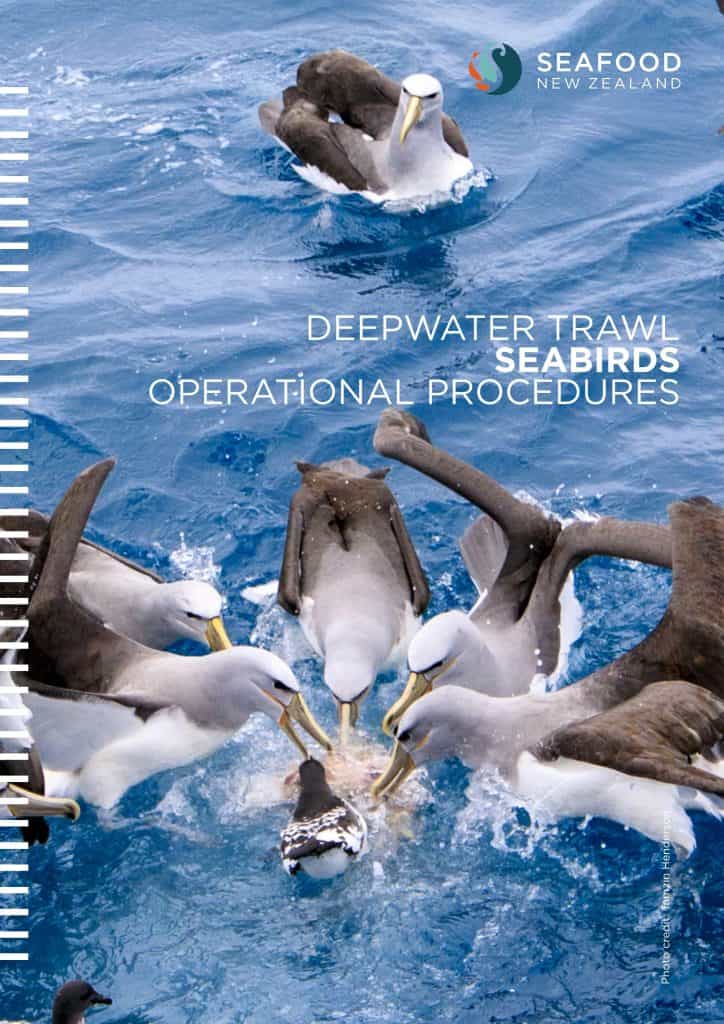
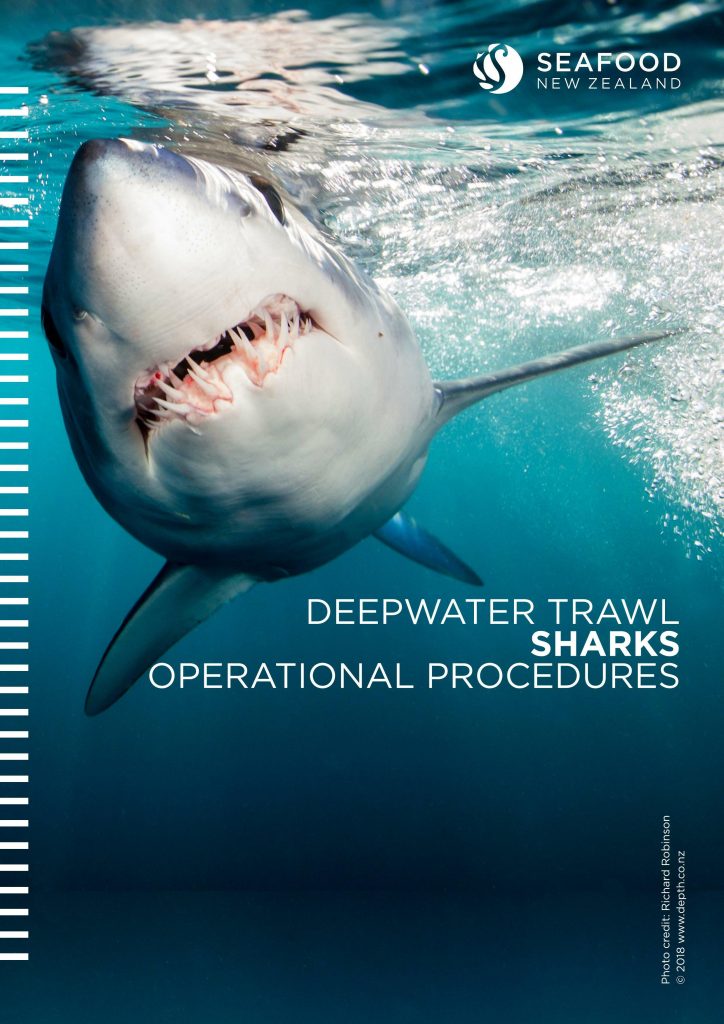
The Operational Procedures (OPs) are an important part of our businesses and give confidence to Government and others that we are going above and beyond to ensure the sustainability of our deepwater fisheries.
In addition to extensive government regulations, quota owners have agreed to adhere to supplementary best practice measures outlined in these Deepwater Operational Procedures.
Although these are non-regulatory measures, Fisheries New Zealand audits the vessel’s performance against these to identify if further improvements might be made.