About Us

Discover more about Seafood New Zealand, our people, our industry -and the work we do to support the seafood sector.

New Zealand’s seafood industry plays a key role in the country’s economy, contributing around $2 billion in export earnings and employing nearly than 14,500 people, who provide New Zealand and the world with high quality, nutritious and great tasting seafood.

Seafood New Zealand represents Aotearoa New Zealand’s commercial fishing sector.  We bring the industry together to provide leadership in fisheries management and science, advocate for durable and effective policy settings, strengthen public trust, coordinate industry positions, and create the conditions for a thriving seafood sector.

We operate at the intersection of policy, public trust, science, and sector collaboration. By strengthening these foundations, we help ensure the seafood industry can contribute to New Zealand’s economy, communities, food security and marine environment for generations to come.

Find out more about the work we do in our Year in Review.

Our Board

Greg Gent

Independent Chair

Geoff Burgess

Deepwater Representative

Tony Hazlett

Deepwater Representative

Craig Lawson

Inshore Representative

Steve Tarrant

Inshore Representative

Maru Samuels

Māori Appointee

Annabel Scaife

Deepwater Representative

Tom Searle

Inshore Representative

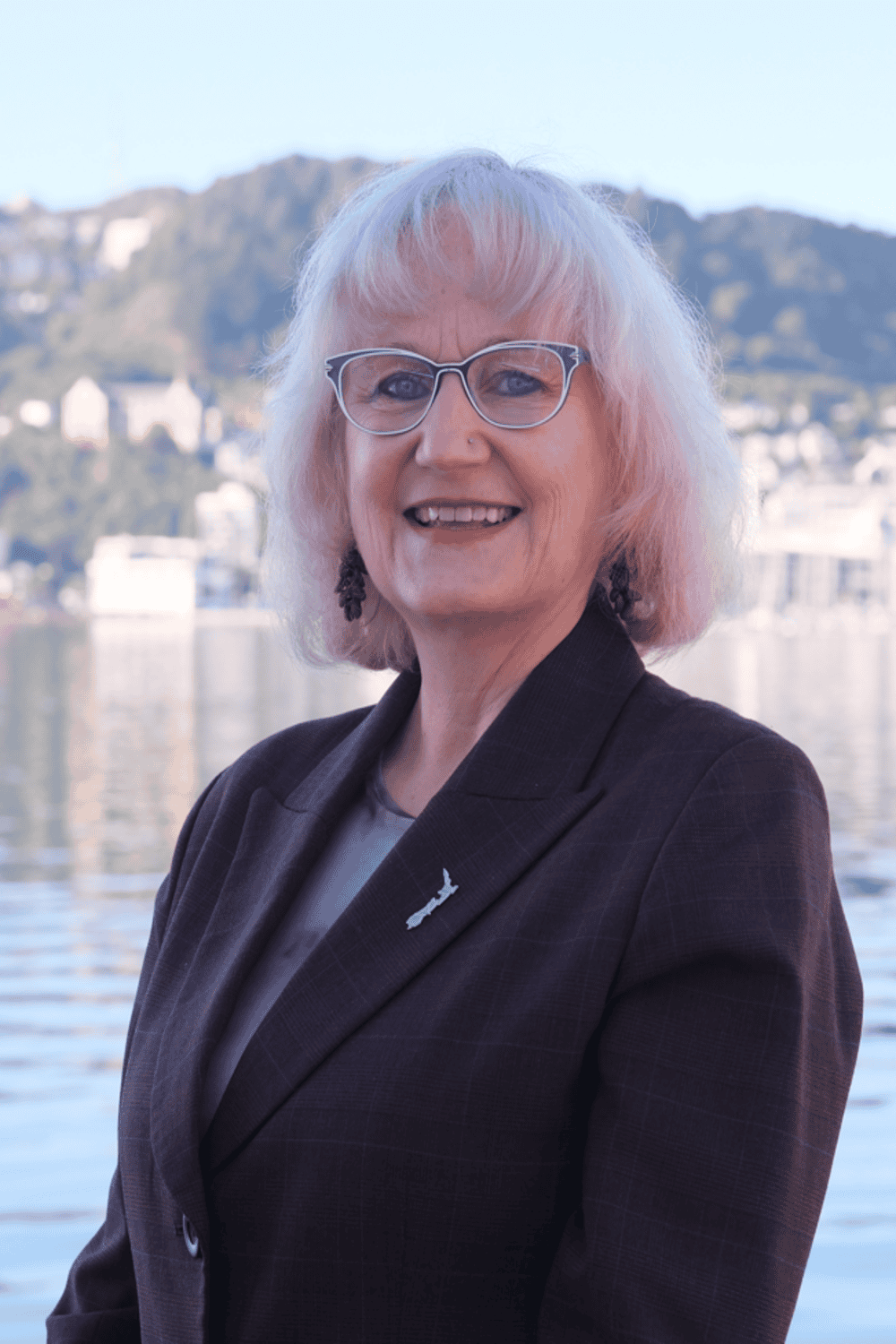
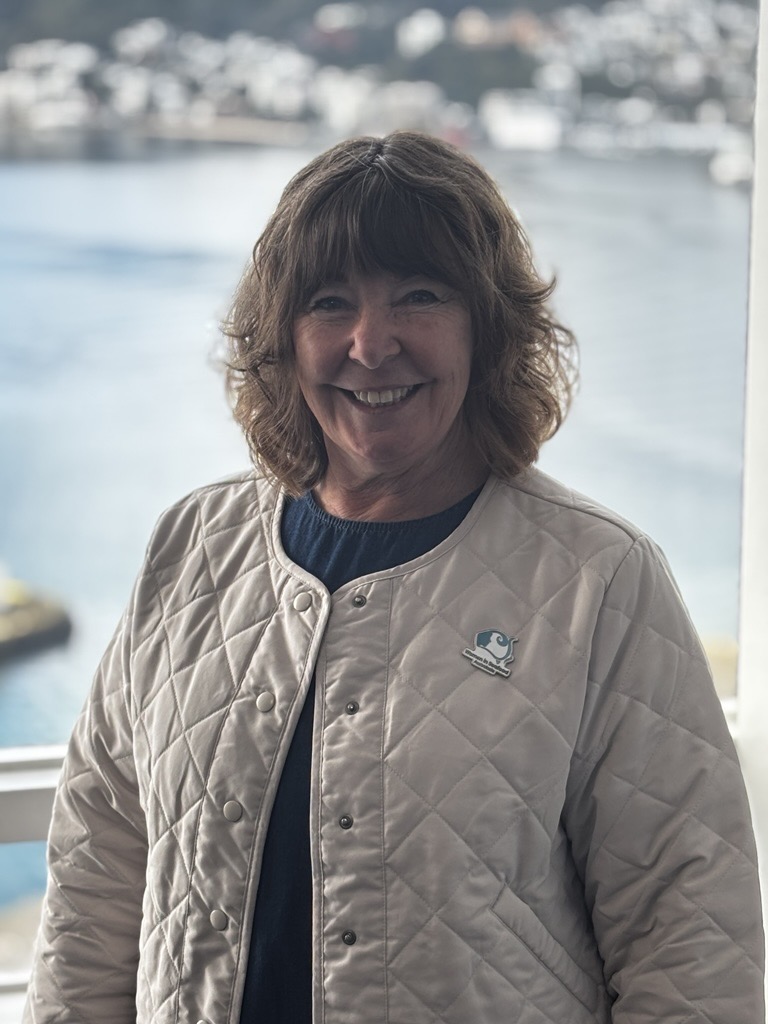
Our People

Lisa Futschek

Chief Executive

Deepwater Council

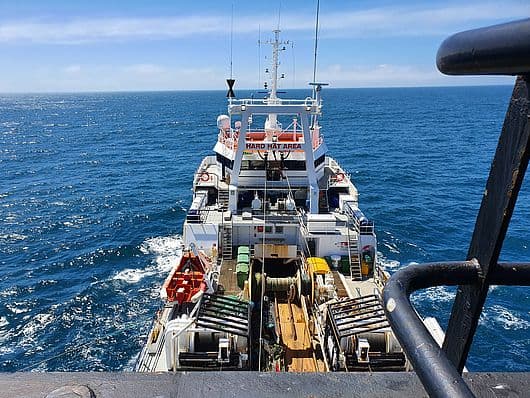
The Deepwater Council represents the interests of New Zealand’s deepwater fisheries quota owners. We support the sustainable management and utilisation of these fisheries, helping to ensure these resources are managed to optimise long-term value and sustainable yields within a science-based and environmentally responsible framework.

Our work spans fisheries management, science, environmental performance, operational procedures, certification, and market assurance. We bring together and work alongside Fisheries New Zealand, other government agencies, scientists, certification bodies, and industry participants to coordinate shared initiatives, support practical vessel-level implementation, and demonstrate responsible stewardship of New Zealand’s deepwater fisheries.

We represent members who collectively own quota for barracouta, black cardinalfish, English mackerel, frostfish, ghost shark, hake, hoki, jack mackerel, ling, orange roughy, oreo, red bait, ribaldo, scampi, silver warehou, southern blue whiting, sea perch, spiny dogfish, squid, and white warehou. Deepwater Council members collectively hold 91% of the quota shares in these fisheries.

Through this work, the Deepwater Council helps ensure these fisheries remain environmentally sustainable, socially responsible, and economically viable while maintaining the high standards expected by regulators, customers, and certification bodies such as the Marine Stewardship Council.

Inshore Council

The Inshore Coucil works to advance interests in inshore finfish, pelagic and tuna fisheries. We ensure that New Zealand gains the maximum economic yields from its inshore fisheries resources, managed within a long-term sustainable framework.

Our mission is to provide dynamic and transparent leadership, inform decision making and actively engage with our members, officials and other stakeholders.

We represent participants in New Zealand’s major inshore commercial fisheries, including snapper, blue cod, bluenose, tarakihi, warehou, gurnard, rig, blue moki, flounder, hapuka (groper), trevally, flatfish, school shark and John dory and Coromandel scallops. Tuna and pelagic fishers catch southern blue fin tuna, skipjack tuna, albacore, kahawai and mackerels. Members of Fisheries Inshore New Zealand own more than 51% of the quota in 192 fish-stocks and between 40% and 51% in a further 13 fish-stocks.

Our Subsidiary

Commercial Fisheries Services (Fishserve)

Fishserve is a wholly owned subsidiary of Seafood New Zealand.  They are a non-profit company that has a discrete and prescribed role within fisheries management. Since 1999, Fishserve has provided the administration services to support the effective operation of the Quota Management System (QMS) underpinning the sustainability of Aotearoa New Zealand’s fisheries.

Other Sector Entities

Aquaculture New Zealand

Aquaculture New Zealand is a small, dedicated team of professionals passionate about supporting the sustainable growth of aquaculture in New Zealand and proudly representing our marine farmers. 

New Zealand Rock Lobster Industry Council

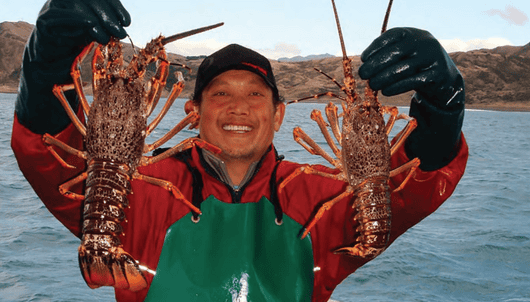
The NZ Rock Lobster Industry Council (NZ RLIC) is the nationally representative organisation for the New Zealand rock lobster industry.  It is the umbrella organisation for nine commercial stakeholder organisations operating in each of the rock lobster management areas in New Zealand. These regional groups are known as CRAMACs and each appoint a director to the NZ RLIC Board who in turn appoint an independent chairperson.  CRAMAC membership comprises the full range of lobster industry participants from the catching sector and quota share owners through to processing and exporting.  The NZ RLIC and CRAMACs are funded by way of a Rock Lobster Commodity Levy established in 2013.

NZ RLIC represents the rock lobster industry in all aspects of New Zealand rock lobster fisheries management including policy, regulatory and operational matters.


Paua Industry Council

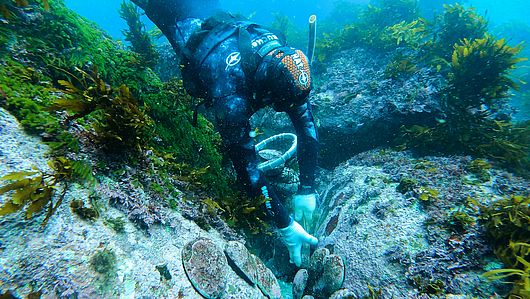
The Paua Industry Council Ltd is the national umbrella service agency for the five regional commercial stakeholder groups representing commercial paua fishery interests. Each regional representative group (PauaMAC – derived from the Quota Management System designation for paua, and Management Area Council) draws its membership and mandate from fishing and non-fishing quota owners, ACE holders, permit holders, processors and exporters from within the main seven designated management areas. The paua industry is designed as a “bottom up” driven organisational structure, with decision making primarily resting with individual quota owners and dive crews. Its organisations’ primary aims are firstly to work to ensure the health of the New Zealand paua fisheries and secondly to act as advocate for its members interests.

Search