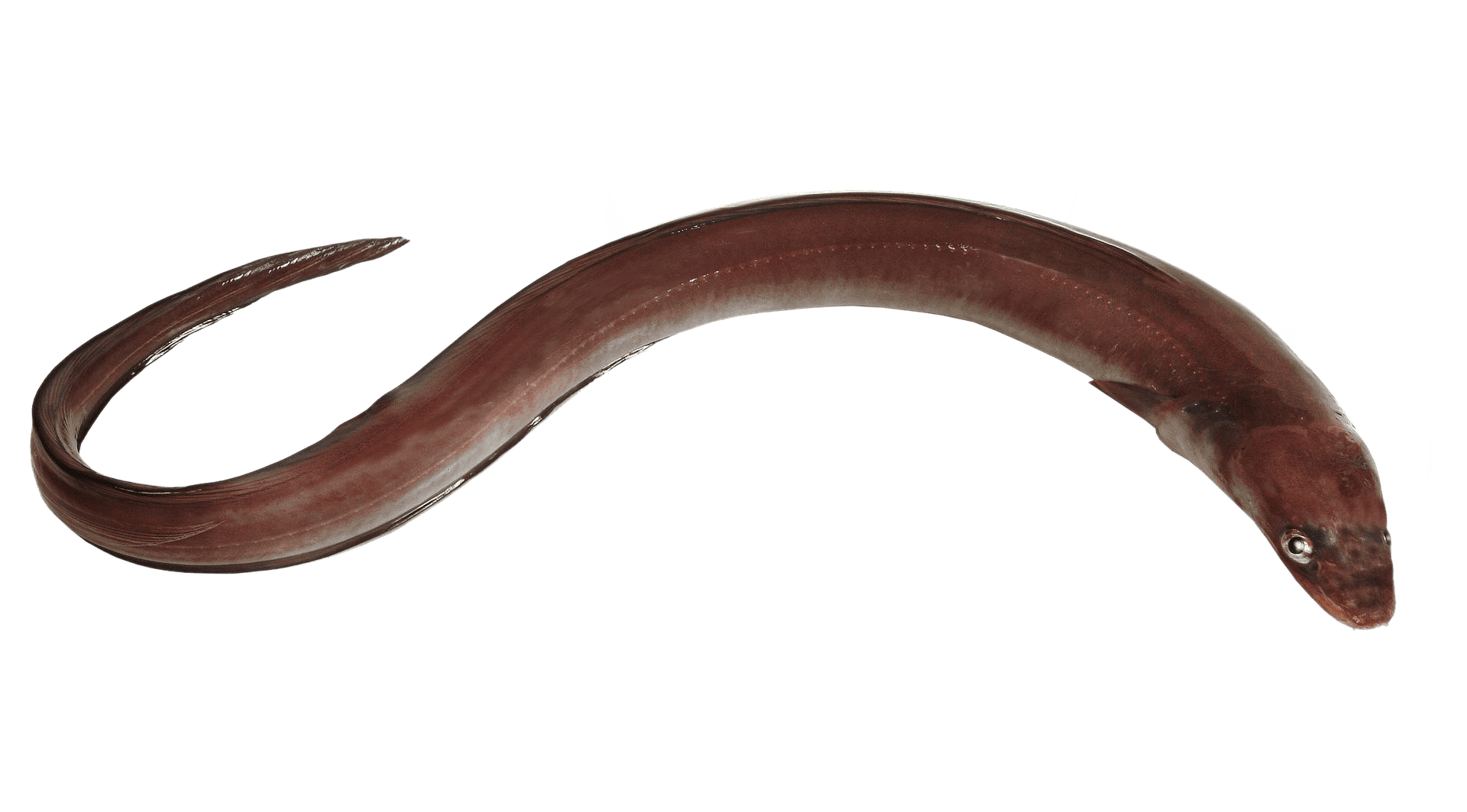
Latin Name: Anguilla dieffenbachii
Weight: up to 20kg
Length: 0.5–1.2m, reaching 2m
Family: Longfinned eels belong to the Anguillidae family (freshwater eels) and are endemic to New Zealand.
- Wild Caught
- Farmed
Location
Longfinned eels are caught year-round in the North Island and in spring to autumn in the South Island.
They live mainly in freshwater but migrate and breed in the ocean. In colder regions, the eels hibernate in winter.
Sustainability
Sustainability of this New Zealand fish stock is ensured through the world-leading Fisheries Act and Quota Management System (QMS). The QMS guides the sustainable use of New Zealand fisheries. Find out what the QMS is and how it works.
Fishing Methods
Fishing Methods
Fishing Season
-
JAN
-
FEB
-
MAR
-
APR
-
MAY
-
JUN
-
JUL
-
AUG
-
SEP
-
OCT
-
NOV
-
DEC
Nutrition
Source: Biotin (Vitamin B7), Riboflavin (Vitamin B2), Thiamin (Vitamin B1), Vitamin B6, Iodine, Phosphorus, Zinc, Potassium
Good Source: Niacin (Vitamin B3), Vitamin A, Vitamin B12, Vitamin D, Vitamin E, Selenium
Seafood is a highly nutritious food and is a great source of protein. Many species are low in saturated fat and a number of them are a good source of Omega 3.
Did you know?
Female longfinned eels have been recorded aged over 100 years. These grand old ladies, often two metres or more long, are possibly the largest freshwater eels in the world.
The contemporary commercial eel fishery dates from the mid-1960s when markets were established in Europe and Asia. Eel catches are greatly influenced by water temperature, flood events (increased catches) and drought conditions (reduced catches). Catches decline in winter months, particularly in the South Island.
Cooking Tips
Eels are often smoked, and available as either fillets or pieces.