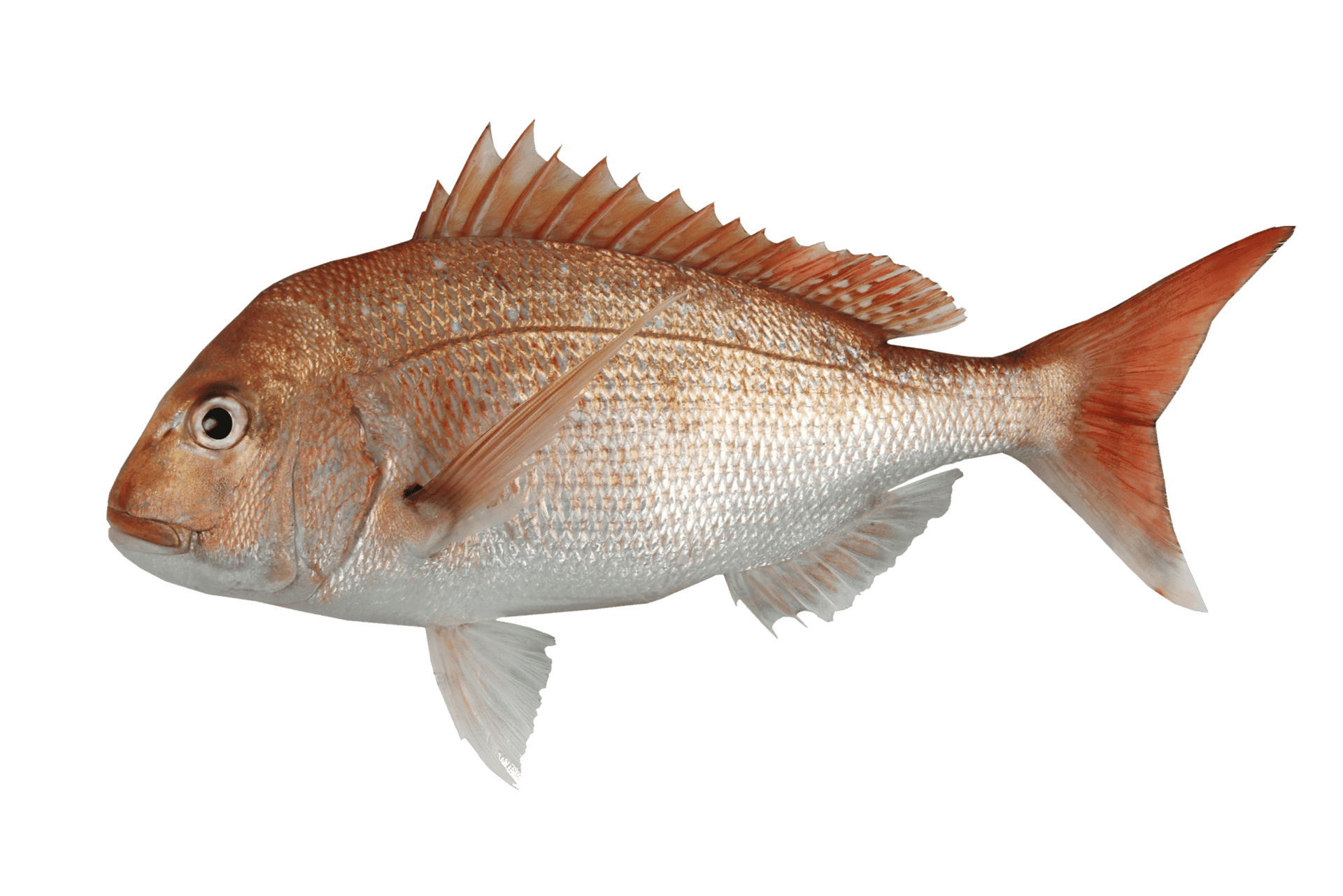
Latin Name: Pagrus auratus
Weight: 1–2.5kg, up to 19kg
Length: 30–50cm, reaching 100cm
Family: Snapper belong to the Sparidae family of seabreams and snappers. They are one of New Zealand's most popular and highly valued coastal fish species.
- Wild Caught
- Farmed
Location
Snapper are most common around the North Island and upper South Island, particularly in Tasman Bay. They inhabit a wide range of coastal habitats, including rocky reefs, sandy seabeds and muddy bottoms. Juveniles are commonly found in sheltered inshore waters, while adults occupy deeper coastal habitats, generally at depths of less than 100 metres. Snapper are slow-growing, long-lived fish that can live for more than 60 years.
Sustainability
Sustainability of this New Zealand fish stock is ensured through the world-leading Fisheries Act and Quota Management System (QMS). Snapper abundance is monitored using commercial catch rates, catch-at-age sampling, trawl surveys and tag-recapture studies. Find out what the QMS is and how it works.
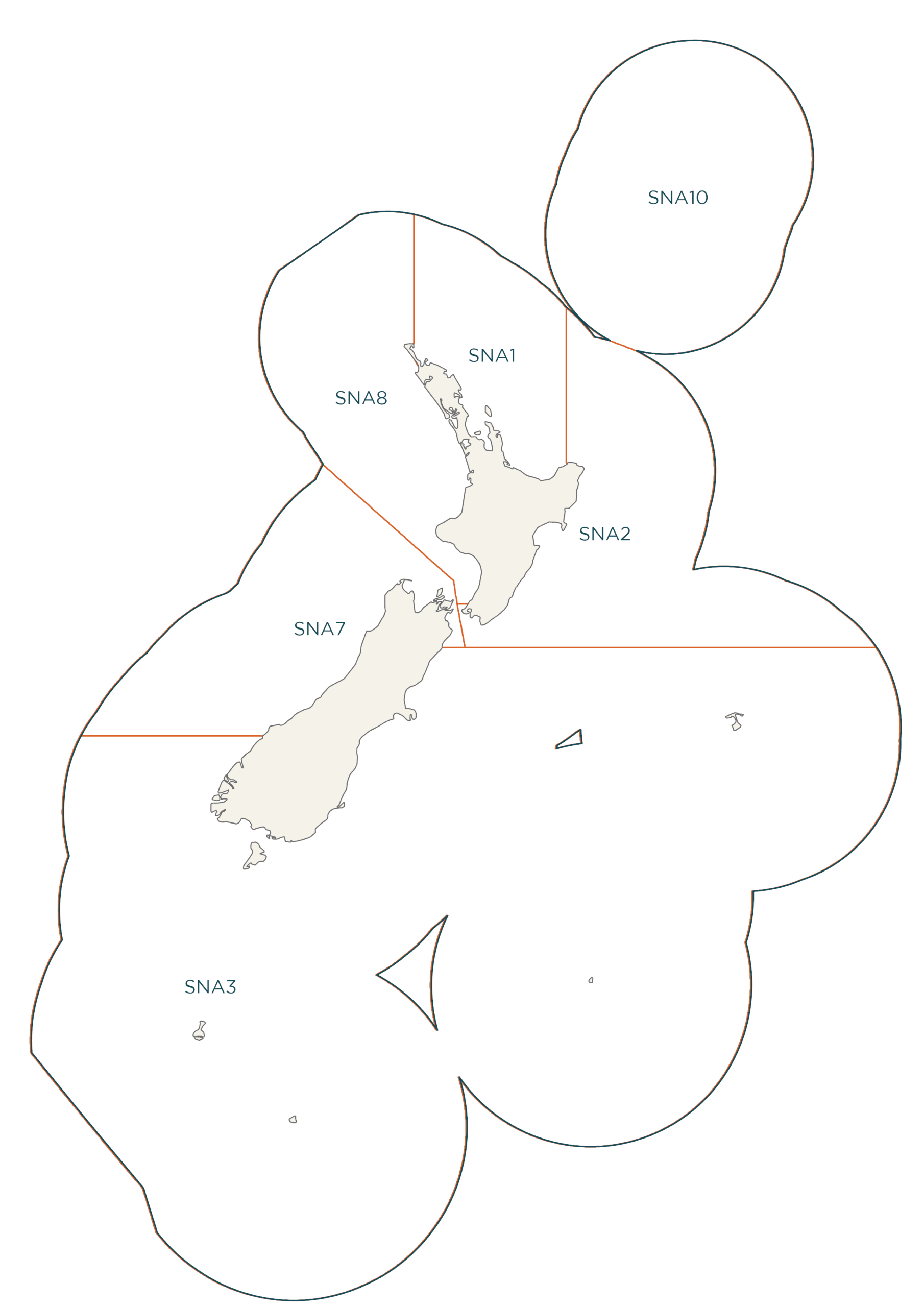
The adjacent map shows the quota management areas (QMAs) relevant to this fishery. Source: Fisheries New Zealand (MPI) NABIS spatial data.
Fishing Methods
Fishing Methods
Fishing Season
-
JAN
-
FEB
-
MAR
-
APR
-
MAY
-
JUN
-
JUL
-
AUG
-
SEP
-
OCT
-
NOV
-
DEC
Nutrition
Source: Thiamin (vitamin B1), Iodine, Magnesium, Potassium
Good Source: Niacin (vitamin B3), Vitamin B12, Vitamin B6, Phosphorus, Selenium, Omega-3 fatty acids
Seafood is a highly nutritious food and is a great source of protein. Many species are low in saturated fat and a number of them are a good source of Omega 3.
Did you know?
All snappers begin life as females. During their third and fourth years of life, about half of them change sex, balancing the adult population evenly between males and females.
Cooking Tips
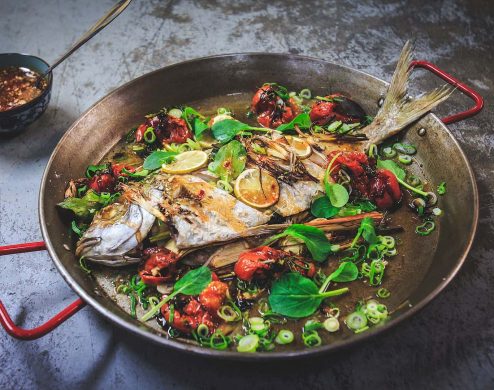
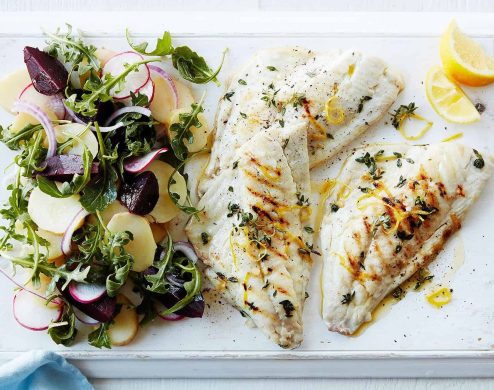
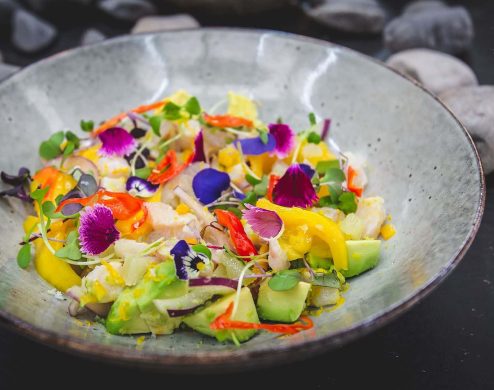
Try it:
• Pan-fried
• Barbecued
• Baked
• Poached
• Smoked
• Marinated
• In curries
• In soups and chowders