Independent certification of New Zealand fisheries
Nineteen deepwater fisheries representing 59% of New Zealand’s deepwater catch are independently certified against internationally recognised sustainability standards.
19
Certified deepwater fisheries
59%
Deepwater catch certified
5
Key species covered
2001
Hoki certified for 25 years
New Zealand’s certified deepwater fisheries are among the most rigorously assessed fisheries in the world, undergoing independent evaluation and ongoing surveillance to demonstrate sustainable fishing practices.
Independent certification provides assurance that New Zealand fisheries are being managed responsibly and sustainably. Certified fisheries undergo rigorous scientific assessment and ongoing audits by independent experts against recognised international standards.
Certification helps provide confidence to seafood buyers, consumers, regulators and stakeholders that fisheries are operating within robust environmental and management frameworks.
Certified species
The following species are currently represented within New Zealand’s certified deepwater fisheries:
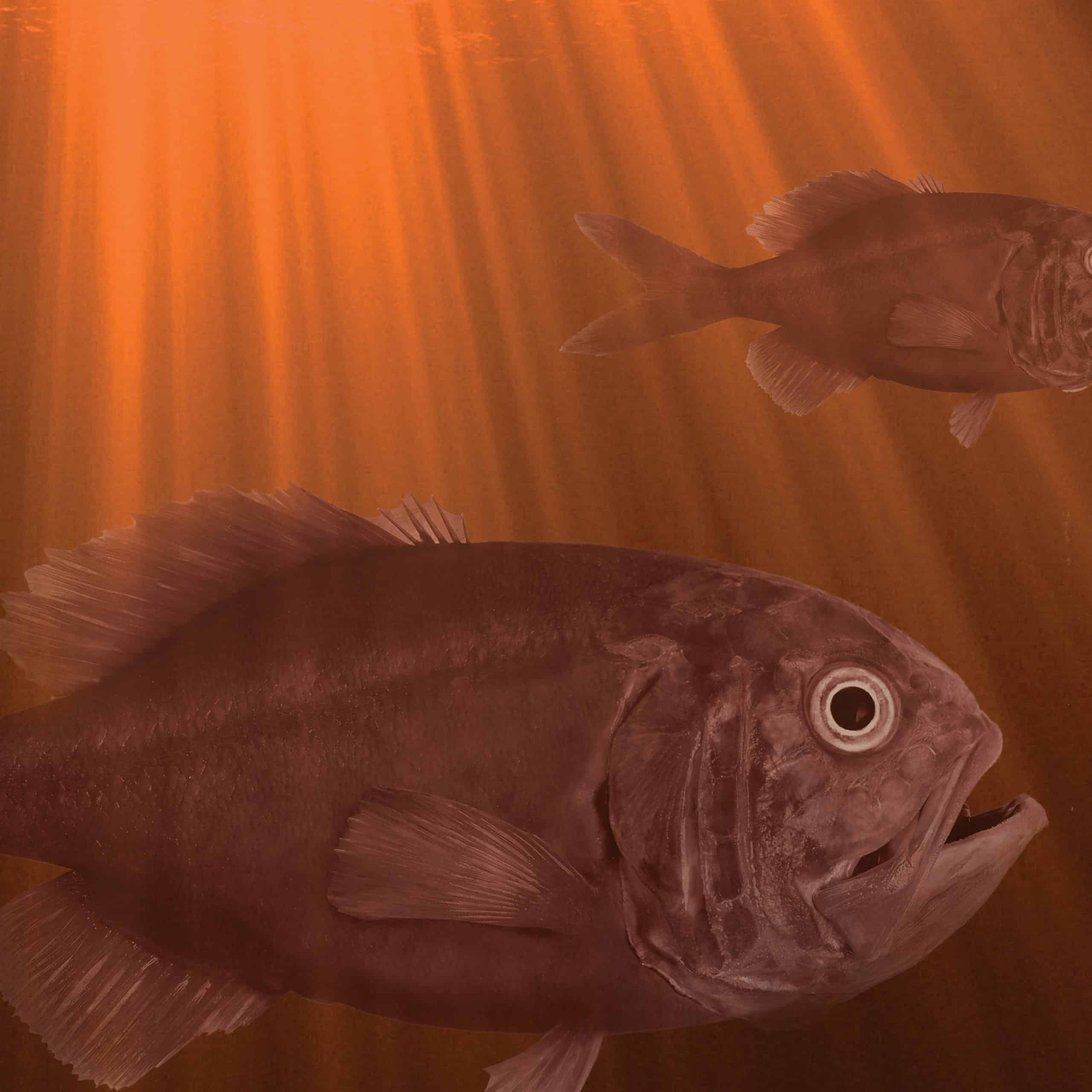
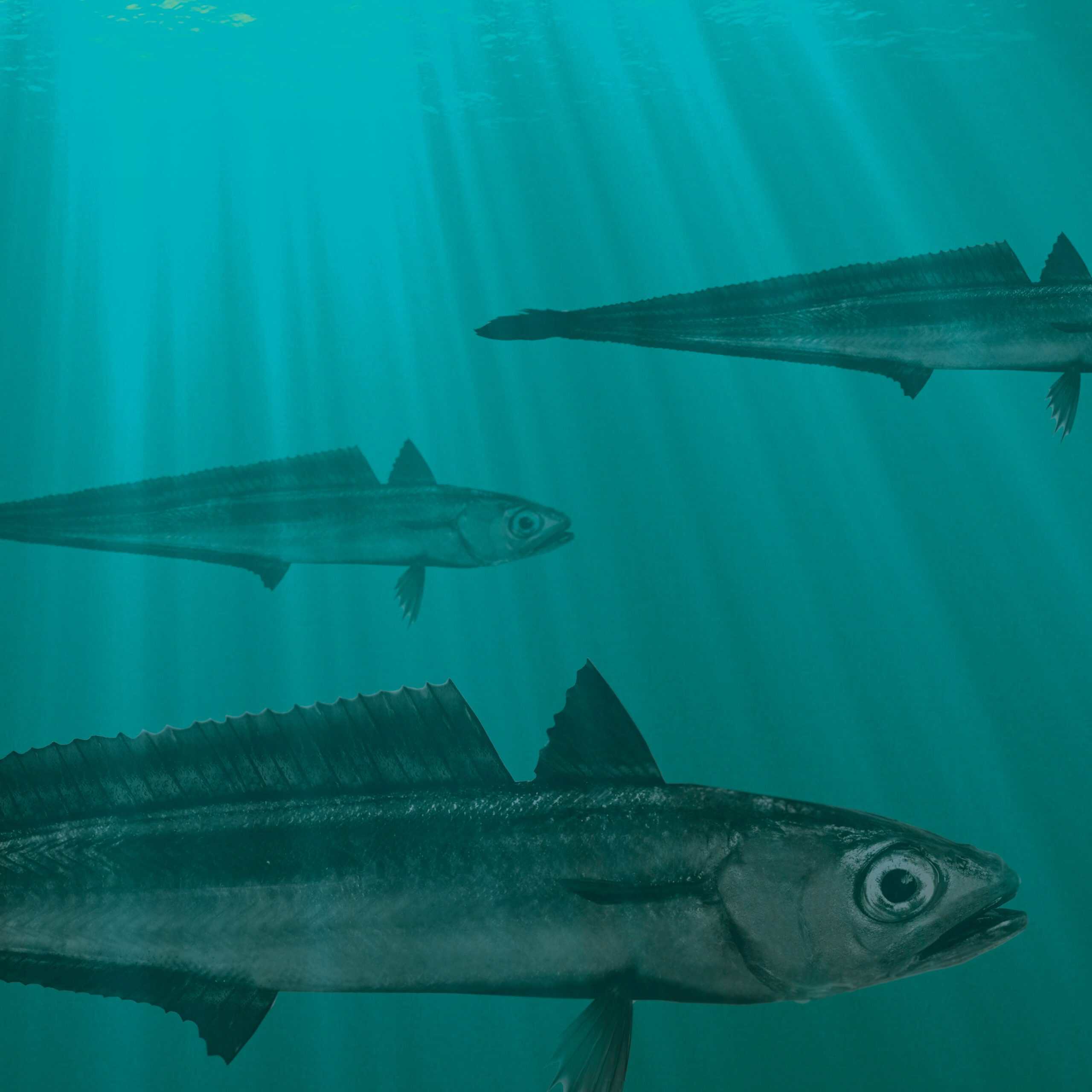
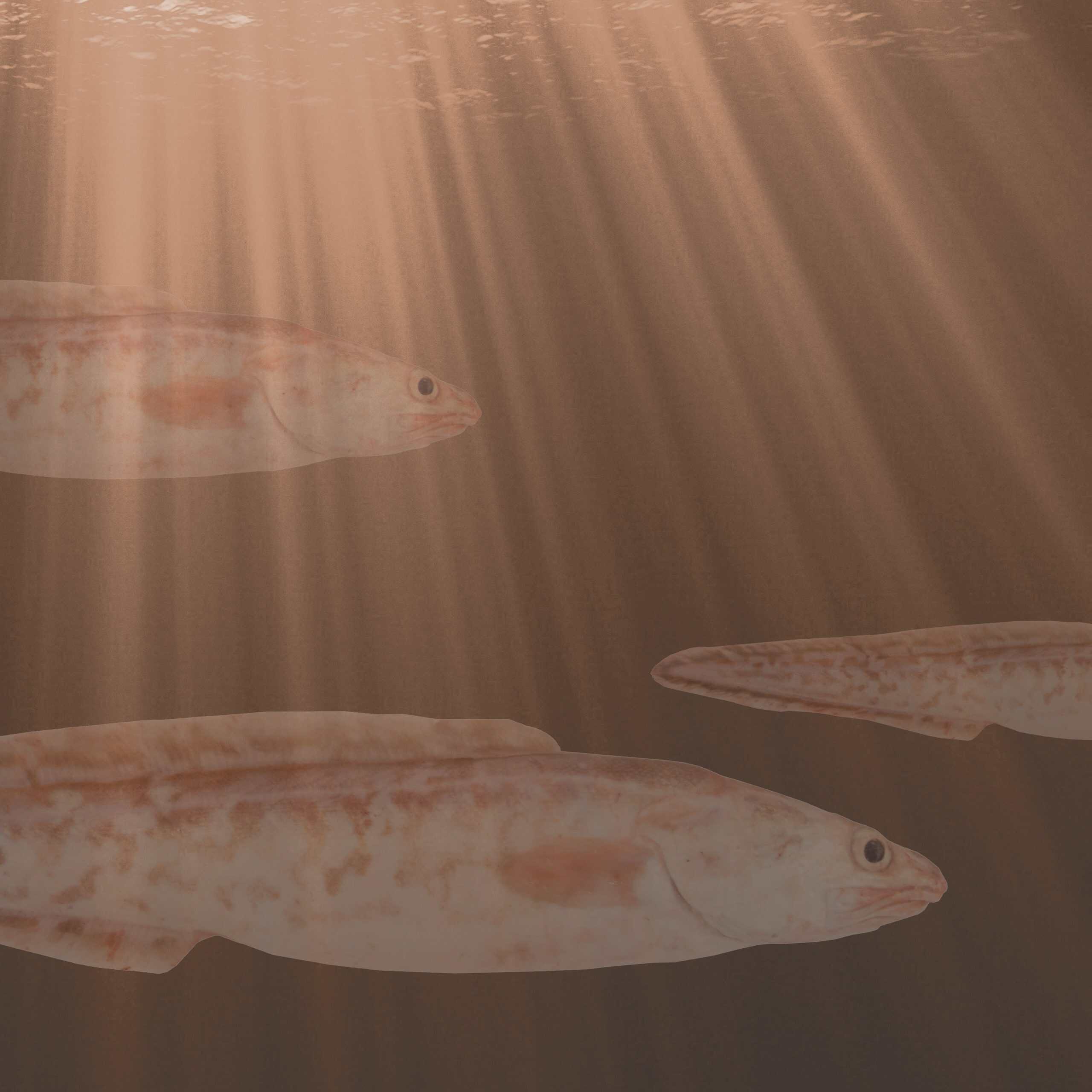
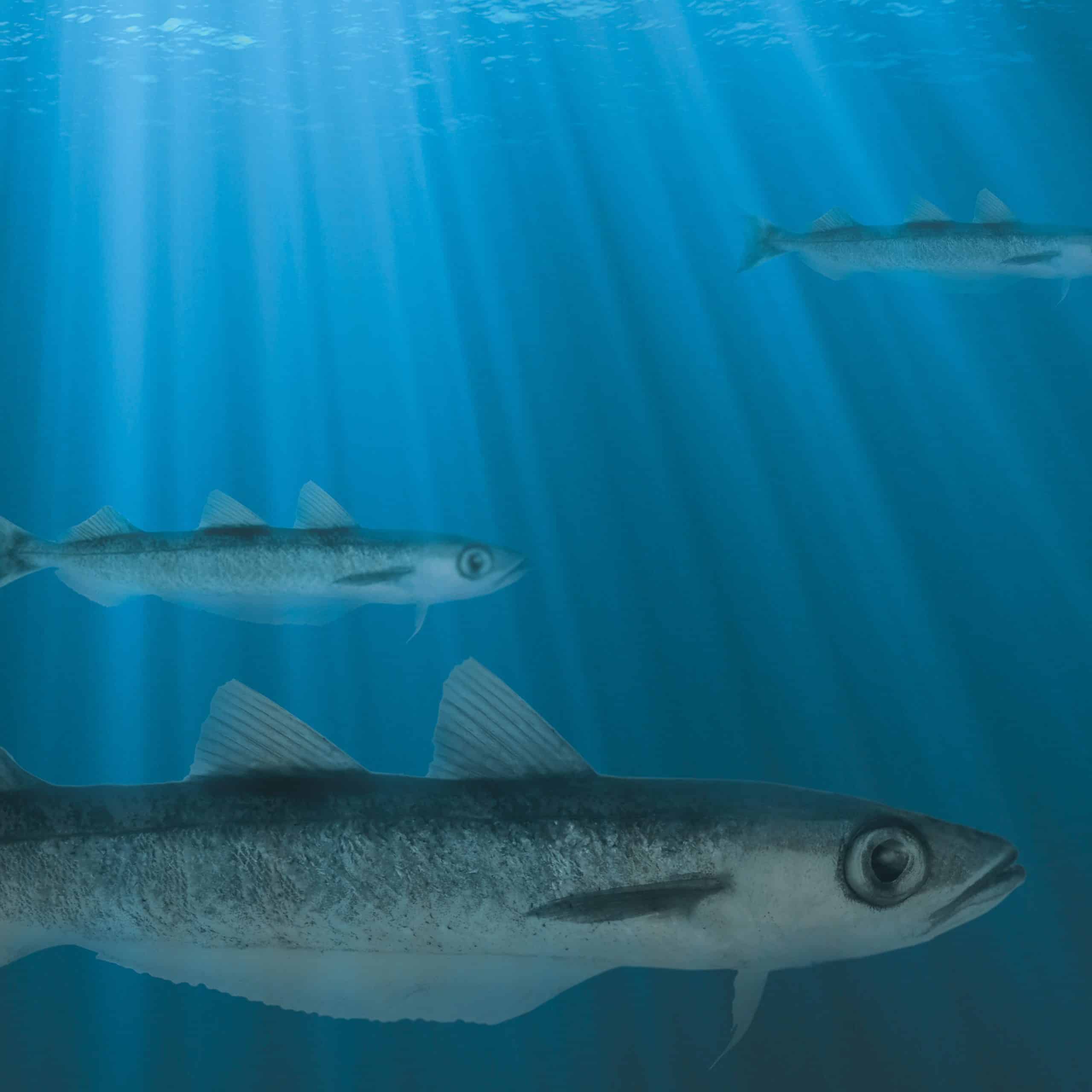
hake, hoki, ling, southern blue whiting, and orange roughy.
Why certification matters
Independent verification
Fisheries are assessed by independent experts against recognised international standards.
Transparent reporting
Assessment and audit reports are publicly available
Market access
Certification helps maintain access to international seafood markets
Continuous improvement
Fisheries undergo regular audits and ongoing performance review.
Buyer confidence
Certification provides assurance for seafood buyers and consumers.

Trusted Certification Programmes
The sustainability of certified fisheries is independently assessed using recognised international standards.
Marine Stewardship Council
The Marine Stewardship Council (MSC) is one of the world’s leading seafood certification programmes. Fisheries are assessed against science-based standards that examine stock sustainability, environmental impacts and effective management systems. Independent surveillance audits are conducted regularly to ensure certified fisheries continue to meet MSC requirements.
Certified Seafood International
Seafood New Zealand is actively involved in the development and testing of Certified Seafood International (CSI), an emerging certification standard designed to provide a practical and credible alternative for demonstrating seafood sustainability.
How certification works
Certification is an independent process that assesses whether a fishery meets internationally recognised sustainability standards. Fisheries are evaluated by independent experts, stakeholders are invited to provide input, and certification decisions are made independently by an accredited Conformity Assessment Body (CAB).
Fishery enters assessment
The fishery enters an independent certification programme and defines the scope of the assessment, including the species, fishing methods and management arrangements to be reviewed.
Independent experts evaluate the fishery
Performance is assessed against the certification standard, including stock sustainability, environmental impact and management effectiveness.
Stakeholders provide input
Interested parties can contribute information, comment on findings and participate in the assessment process.
Certification decision is made
The CAB makes an independent decision on whether the fishery meets the standard.
Certified fishery enters ongoing monitoring
Certified fisheries undergo regular surveillance audits to confirm ongoing compliance and support continuous improvement.
Assessment principles
Certification standards assess fisheries against three core principles:
Principle 1: Sustainable fish stocks
A fishery must be conducted in a manner that does not lead to over-fishing or depletion of the exploited populations and, for those populations that are depleted, the fishery must be conducted in a manner that demonstrably leads to their recovery.
Principle 2: Environmental impact
Fishing operations should allow for the maintenance of the structure, productivity, function and diversity of the ecosystem (including habitat and associated dependent and ecologically related species) on which the fishery depends.
Principle 3: Effective fisheries management
The fishery is subject to an effective management system that respects local, national and international laws and standards and incorporates institutional and operational frameworks that require the use of the resource to be responsible and sustainable.
Fishery Snapshots
Before certification and surveillance audits, we prepare a Fishery Snapshot (formerly known as a Situation Report) summarising significant scientific, environmental, management and industry developments since the previous assessment. These reports provide independent auditors with supporting evidence and background information to assist their evaluation of the fishery against the certification standard.
Surveillance Audits
Once certified, fisheries undergo regular surveillance audits to confirm they continue to meet certification requirements. These audits review changes in stock status, environmental performance, management arrangements and progress against any certification conditions or improvement actions.
Surveillance audits provide transparency and assurance that certified fisheries maintain their sustainability performance over time.
Audit Reports and Assessments
A range of reports are produced throughout the certification cycle, including assessment reports, reassessment reports, annual surveillance audit reports and supporting documentation. These reports provide transparency around fishery performance, certification conditions, improvement actions and ongoing compliance with certification requirements.
Reports for individual fisheries are available through the relevant fishery pages below.