
Protected species
We’re
working hard
to lower our
impact
Protected species
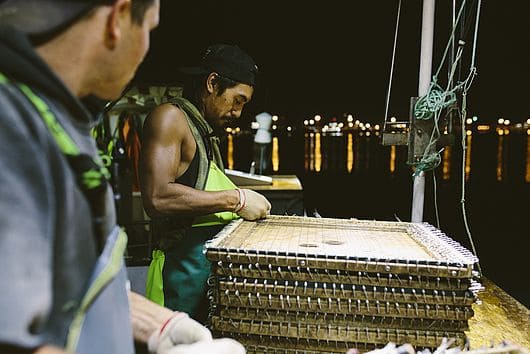
Seafood New Zealand works alongside fishers, Fisheries New Zealand, the Department of Conservation, scientists and environmental groups to reduce interactions with seabirds, marine mammals and other protected species, and to improve outcomes for our marine wildlife.
While government agencies hold statutory responsibility for protected species management, our focus is practical: supporting fishers to keep improving on the water and demonstrating the stewardship that’s already part of the industry’s culture. Two full-time staff work on this kaupapa, helping fishers with mitigation, sharing lessons quickly across the fleet, and strengthening collaboration across the sector.

Seabirds
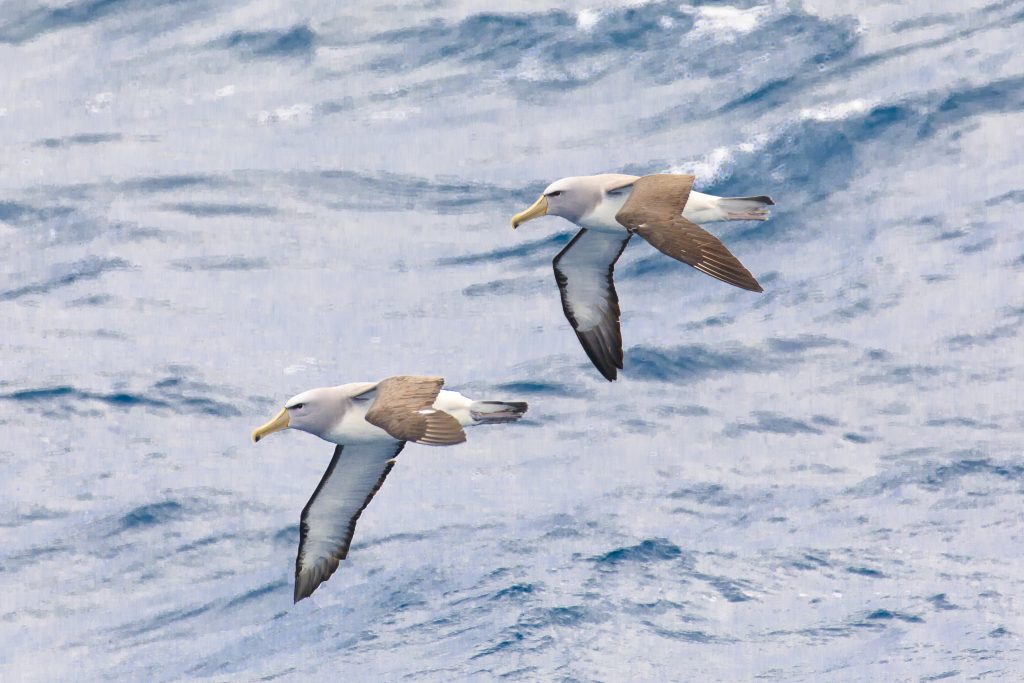
No fisher wants to catch a seabird, and most go to considerable lengths to avoid it. High-risk fisheries operate under regulated mitigation measures, and many vessels use additional voluntary methods, often developed by fishers themselves from years of watching how birds behave around their gear.
Tori lines, streamers hung above baited hooks and warps, are one of the most effective tools available, scaring birds away from the areas of greatest risk. Other measures include hook shielding devices, night setting, weighted hooks, careful management of fish waste, and reduced deck lighting at night.
Improved fish waste management has helped cut observed seabird capture rates in deepwater trawl fisheries by more than 50% between 2012 and 2024. In 2025, a rise in albatross captures prompted us to work directly with operators and crew to reinforce best practice, and a joint project with DOC is now trialling stern cameras on deepwater vessels to better understand seabird behaviour around nets and warps.
Marine mammals
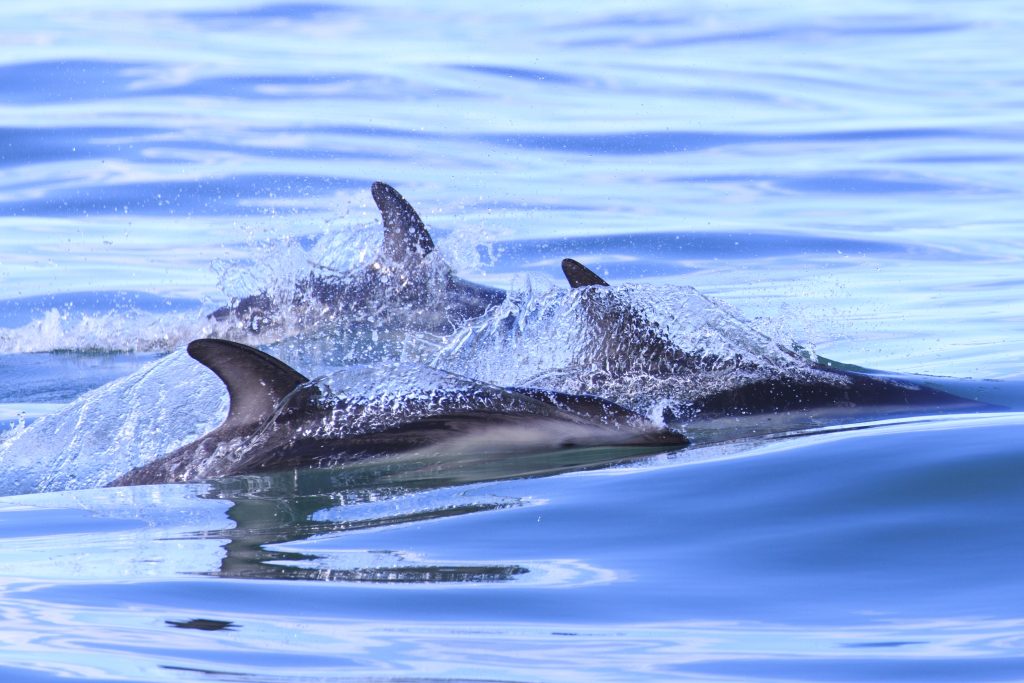
New Zealand fur seals are the marine mammal most commonly caught in New Zealand fisheries. While their population is growing and they’re classified as Not Threatened, interaction rates mean they remain a priority. During the 2024/25 hoki season, net binding measures introduced after promising 2023 trials became a recommended part of the Coastal Hoki Operational Procedure, and new technologies like targeted acoustic startle devices are being trialled from 2026.
Acoustic deterrent devices are also helping reduce interactions with Hector’s and Māui dolphins, with encouraging early results.
Monitoring and transparency
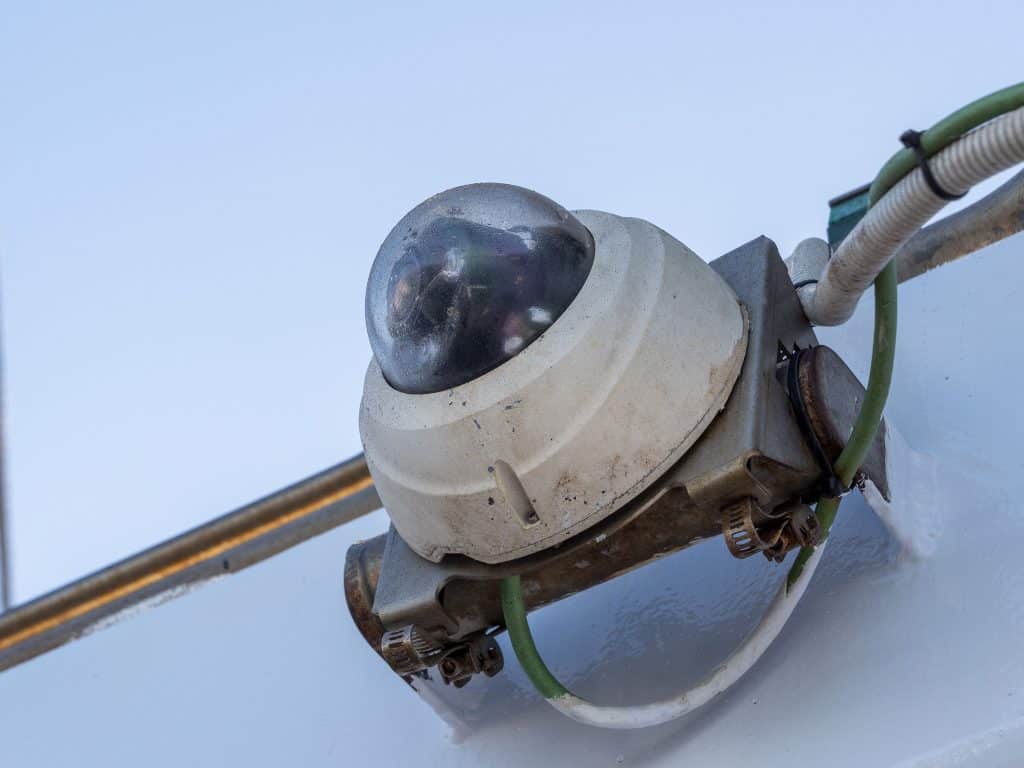
Onboard cameras are now rolled out across trawlers, set netters, longliners and seiners between 8 and 32 metres, adding to decades of observer coverage in deepwater fisheries. This growing dataset is helping refine risk assessments, target mitigation more precisely, and build trust through better transparency.
Fishers are required to report any seabird capture, and MPI’s risk assessment of 72 New Zealand seabird species shows only one is currently at very high risk from fishing.
The work isn’t static. As science, technology and on-water experience develop, so does our approach, always with the goal of doing right by New Zealand’s marine environment.