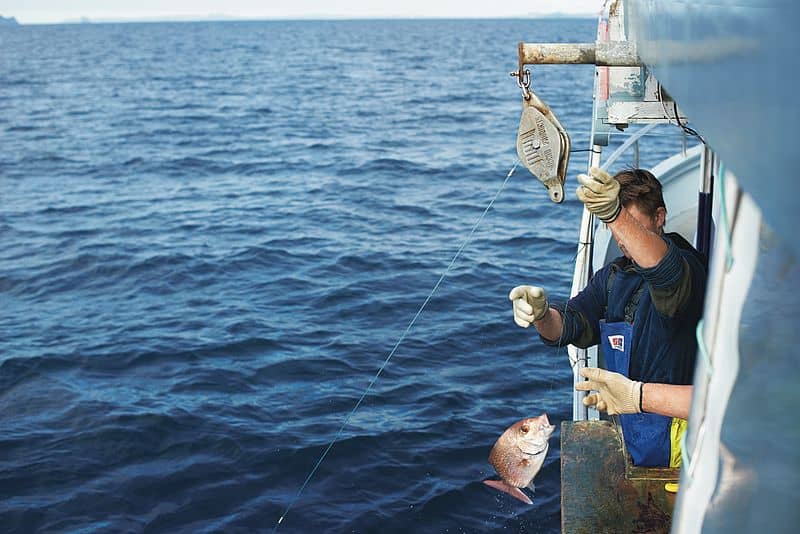
A new Fisheries New Zealand (FNZ) study into snapper (SNA 1) has delivered the clearest evidence yet of the scale of recreational catch, discard, and mortality in one of New Zealand’s most iconic fisheries – and the findings are stark.
The research shows that over 50% of snapper caught by recreational fishers throughout the SNA 1 quota management area are undersized and released, with an estimated 250 tonnes dying every year after being discarded. More than half of this mortality – 124 tonnes – comes from private boats in the Hauraki Gulf, where recreational fishing pressure is highest.
These results confirm what the commercial sector has long understood: unreported recreational fishing activity is a major driver of juvenile snapper mortality. Unlike commercial vessels, which must report every fish caught and returned, recreational catch has historically relied on infrequent surveys and assumptions. This study finally quantifies what has been happening out of sight – and the numbers matter.
Commercial reporting shows only around 2% of snapper caught in northern New Zealand are below the minimum legal size, compared with over 50% in the recreational sector. This outcome is no accident. Commercial fishers are professional harvesters who have continually adapted their fishing practices to avoid catching juvenile fish wherever possible. Supported by a management system that requires catch to be accounted for and creates strong incentives to minimise unwanted catch, fishers have invested in more selective fishing methods and refined how and where they fish. Catching undersized fish is neither good for the fishery nor good for business.
FNZ’s study is a wake‑up call. As New Zealand’s population grows and concentrates around centres like Auckland, unmonitored recreational fishing pressure is increasing. Full visibility of all fishing activity – commercial and recreational – will be critical to maintaining healthy snapper stocks. Without accurate information on what is being caught, released, and lost, fisheries managers cannot make fully informed decisions. This is a critical data gap and one – we say – requires urgent addressing.
Read the full FNZ report here.