Marine Protected Areas
Aotearoa New Zealand is surrounded by ocean, and a healthy marine environment matters to all of us: it supports biodiversity, wildlife, cultural values, recreation, tourism and the seafood on our tables. Seafood is part of our identity, connected to coastal communities, whānau, customary practices and how we feed ourselves.
For the seafood industry, healthy oceans and access to productive fishing grounds go hand in hand. Fish are not distributed evenly across the ocean, fishing grounds are not interchangeable, and where fish are found changes with ocean conditions.
That’s why marine protection needs to sit within a wider conversation about how we use marine space. Protecting the environment and maintaining sustainable access to fishing grounds aren’t competing goals, done well, spatial management can support both.
Marine protected areas
On land, we plan for different uses: cities, farms, forests, parks and reserves. The ocean deserves the same thinking, spatial management means deciding what activities happen where, and under what conditions, based on the values and risks in each place.
Start with the problem, not the solution
The right question isn’t “how much ocean should we close?” It’s “what are we protecting, and what from?”
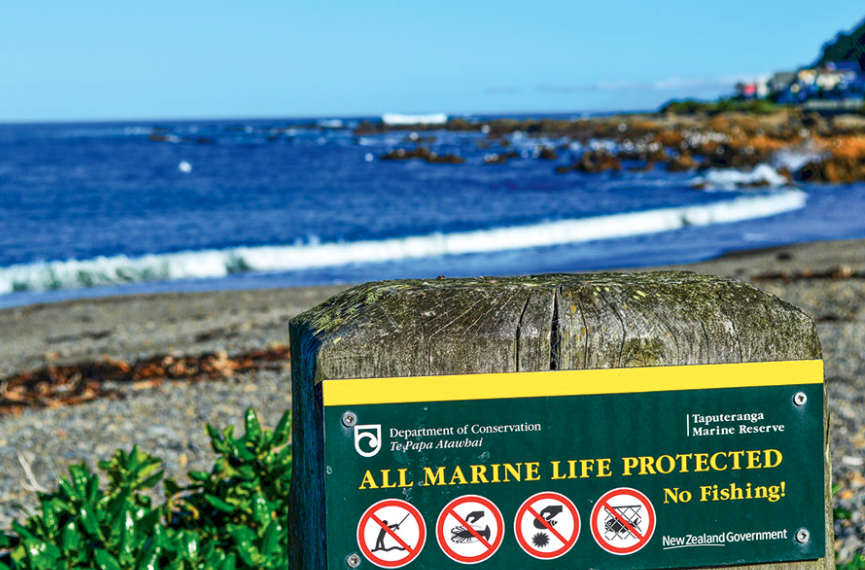
Sometimes that means no fishing at all. Sometimes it means restricting a method, applying a seasonal closure, or allowing fishing under conditions that manage the risk. And sometimes the biggest threat isn’t fishing at all, for example, sediment run-off from land damaging an estuary.
New Zealand already uses a mix of these tools. Bottom trawling, for instance, is banned in around 31% of our EEZ, alongside other targeted closures. Different tools for different problems is a strength, not a weakness. The goal is effective protection, not closure for its own sake.
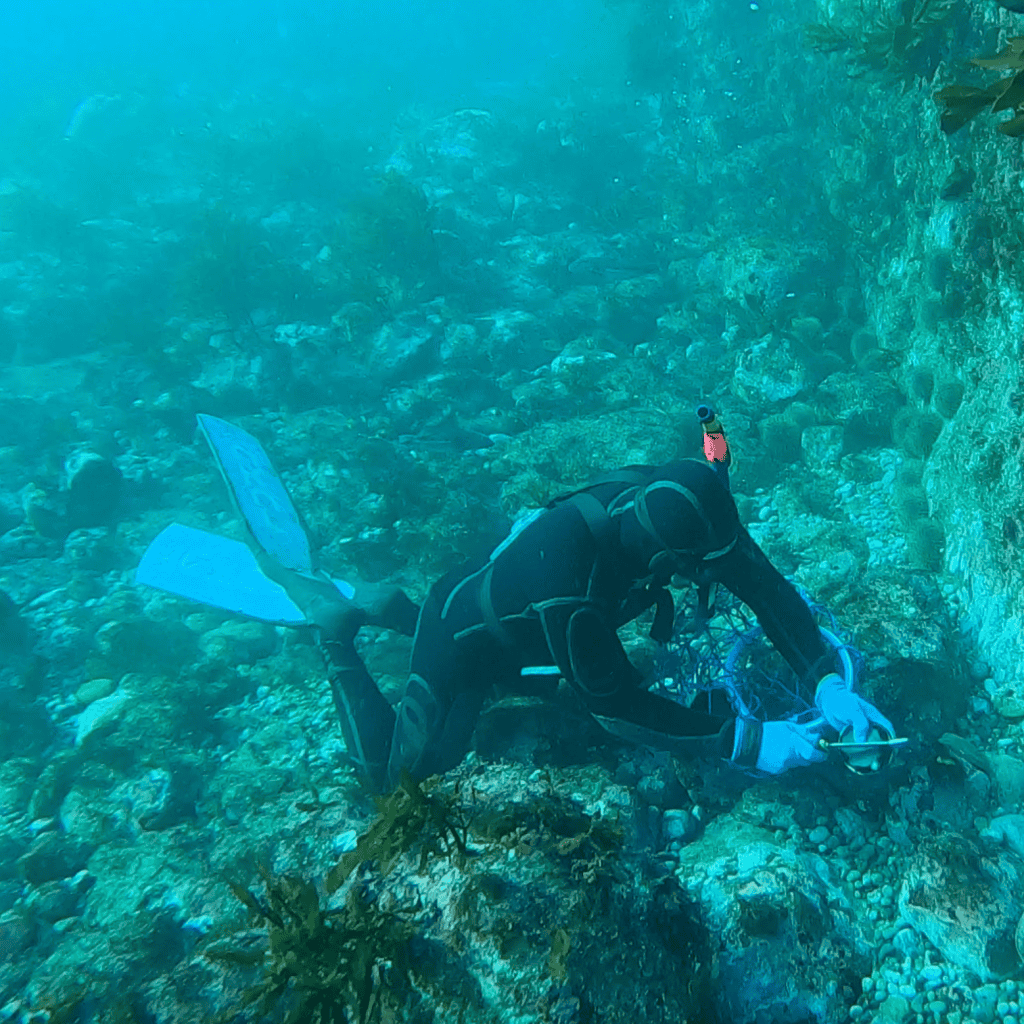
Sustainable fishing requires healthy fish stocks, but it also requires access to the places where those fish occur. The Quota Management System is a property rights based system and manages the abundance of fish stocks through catch limits, while spatial management can manage where and how fishing occurs.
Traditional and established fishing grounds are important economic, social and cultural assets. They support fishing communities, processing businesses and the supply of seafood to New Zealanders. They are also particularly important for Māori, whose relationships with fisheries include customary, commercial and non-commercial rights secured through the 1992 Fisheries Settlement.
Spatial management needs to respect these existing rights and uses, not displace them without good reason.
At the same time, the ocean isn’t static. Fish move, conditions shift, and climate change is reshaping where species live. Good spatial management protects what matters while staying flexible enough to adapt.
Two goals one healthy ocean
All food production has some environmental effect, fishing included. But an effect alone doesn’t mean an activity is unsustainable or should be excluded. What matters is the scale, frequency and consequences of that effect, and whether they’re acceptable given what’s being protected.
New Zealand doesn’t have to choose between marine protection and seafood production. Both rely on the same thing: a healthy, functioning ocean. Protecting the environment and protecting sustainable seafood production are the same goal, not competing ones.
They are part of the same goal: a healthy, functioning ocean that can continue to provide food, support biodiversity and sustain the cultural, social and economic connections New Zealanders have with the sea.