
Snapper
Māori Name: tāmure
Name Scientific: Pagrus auratus
Availability: Year round, but mainly from October to April
Attributes Weight: 1–2.5kg, up to 19kg
Attributes Length: 30–50cm, reaching 100cm
Location
They are most common around the North Island and upper South Island, especially in Tasman Bay. The species is one of the largest and most valuable coastal fisheries. Snapper extend over a wide variety of habitats, including reefs as well as sand and mud bottoms. Juveniles range over large areas in water five to 50 metres deep. Adults are uncommon at depths of more than 100 metres. They group-spawn several times in spring and summer. The young live inshore in summer, in shallow, sheltered habitats, but move offshore in winter. This movement continues throughout their life. Snapper are slow-growing, long-lived (up to 60 years), and migratory.
Attributes Physical
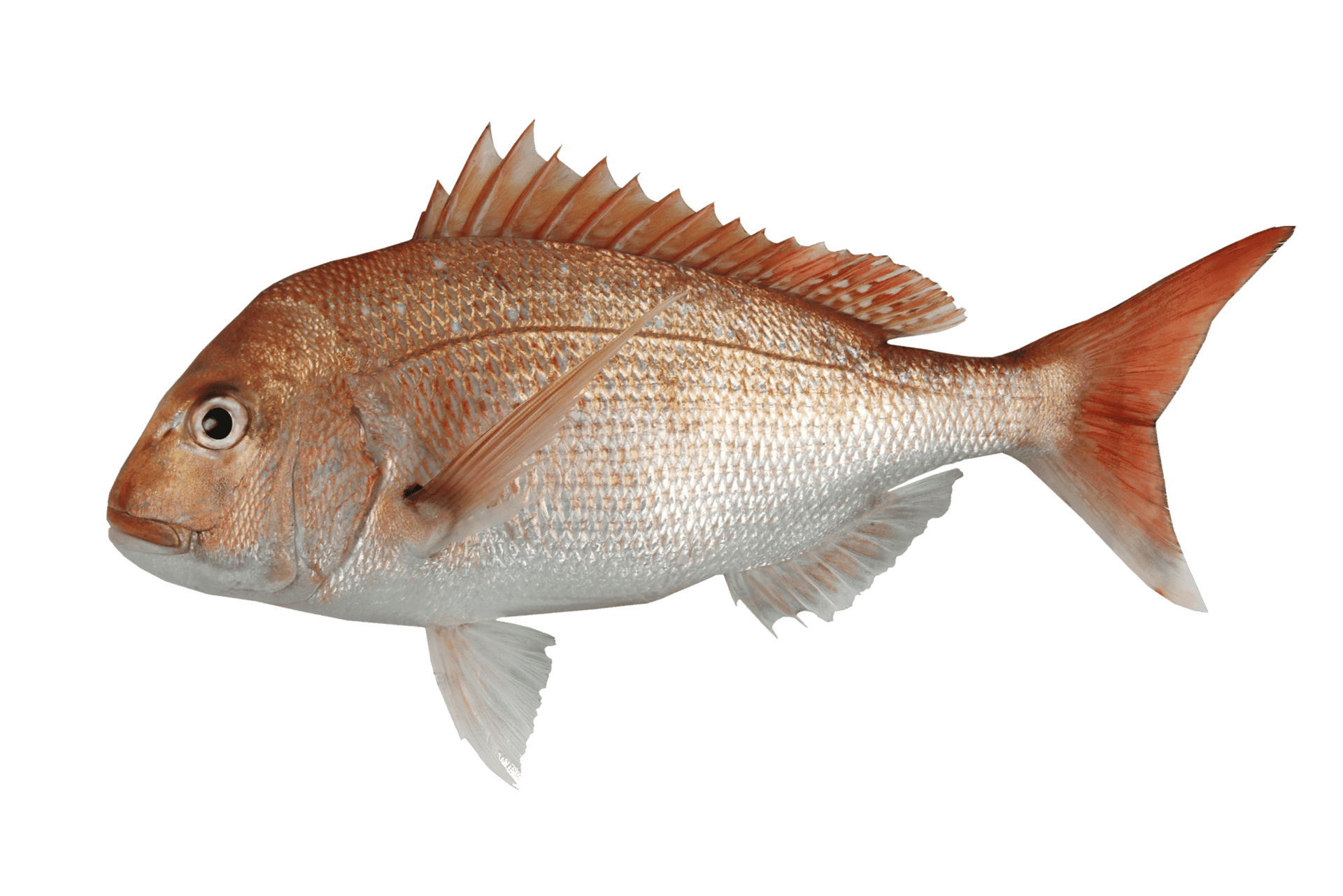
Golden-pink to tones of red above, flecked with blue spots, with the colour paling to white on the belly. Snapper found in muddy harbours tend to be pale pink. Snapper found near reefs and weed tend to be a red bronze. Snapper have a large head, strong teeth, and moderately firm scales.
Family
Snapper are members of the Sparidae family (seabreams, snappers).
Sustainability
Snapper is managed under the Quota Management System (QMS). Snapper abundance is monitored using commercial catch rates, catch-at-age sampling, trawl survey information and abundance estimates from the recapture of tagged fish. Most of our snapper stocks are stable or increasing.
A rapid increase in Snapper numbers at the top and West Coast of the South Island led the Minister for Primary Industries to announce in September 2016 a significant increase in the catch limit for Snapper in that area , with recreational catch increasing from 90 to 250 tonnes and commercial from 200 to 250 tonnes.
Fishing Methods
Snapper are caught all year, but mainly from October to March/April, off both the east and west coasts of the North Island, in Tasman Bay and in Golden Bay. Premium quality fish are caught by longline. Snapper are also caught by trawl or Danish seining.
Did You Know
All Snapper begin life as females. During their third and fourth years of life, about half of them change sex, balancing the adult population evenly between male and female.
Recipe Notes
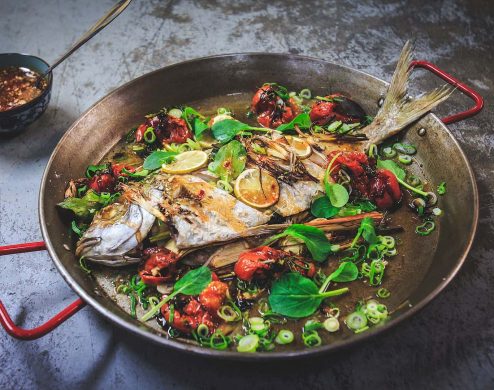
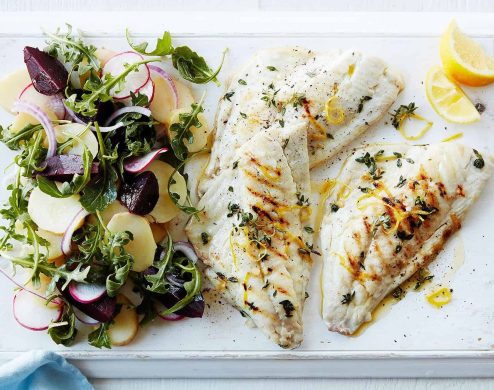
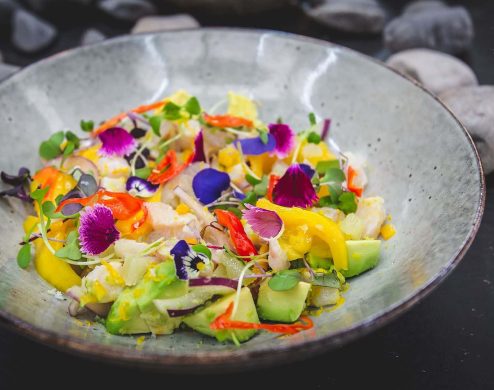
Snapper has tender white-to-pinkish flesh with a sweet, mild flavour and is highly versatile in cooking. Try poaching it; cooking it on the bbq; baked; in a curry; marinated; smoked; using it in a soup/chowder; or frying snapper.
Storage Tips
When buying whole snapper, always check the... EYES: Bright and clear cornea, shiny black pupil GILLS: Rosy pink pastel coloured gills SKIN: Bright, with a luminous sheen When buying snapper fillets, always check the... FLESH: semi-transparent and glossy If the fish looks sticky or mushy then it is not fresh.