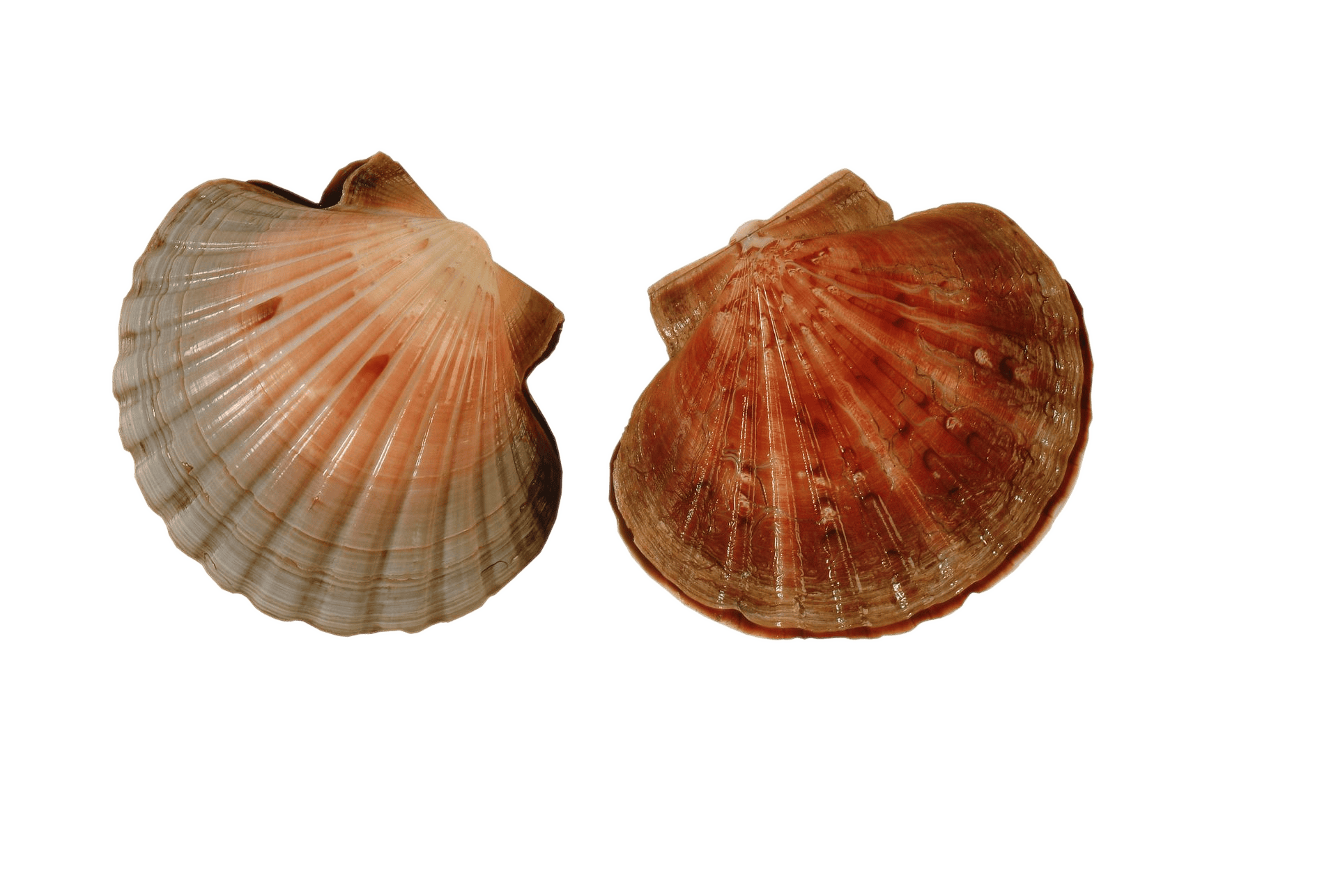
Latin Name: Pecten novaezealandiae

Length: 10–15cm

Family: Scallops belong to the Pectinidae family (scallops).

  • Wild Caught
  • Farmed

Location

They are found around the coast in the sandbanks and mudbanks of sheltered bays from the low tide mark out to about 50 metres depth. They lie on the seabed with the flat shell uppermost, often singly but sometimes grouped in beds.

Sustainability

One of our most popular shellfish, scallop harvesting is subject to controls on the season and hours of fishing in addition to the catch limits set under the Quota Management System. Minimum sizes are set for both recreational and commercial fisheries. Commercial harvesting is only permitted in areas where biotoxin testing has been completed.

Fishing Methods

Fishing Season

  • JAN

  • FEB

  • MAR

  • APR

  • MAY

  • JUN

  • JUL

  • AUG

  • SEP

  • OCT

  • NOV

  • DEC

Peak Season
Off Season

Nutrition

Source: Biotin (vitamin B7), Folate, Vitamin B6, Magnesium, Phosphorus, Zinc, Potassium

Good Source: Niacin (vitamin B3), Vitamin B12, Iodine, Selenium, Omega-3 fatty acids

Seafood is a highly nutritious food and is a great source of protein. Many species are low in saturated fat and a number of them are a good source of Omega 3.
Did you know?

Scallops use a form of jet propulsion to swim. They snap their shells shut to make water shoot out at the hinge, moving the shellfish in jerky jumps across the seabed.

Cooking Tips

Scallops are tender and juicy when cooked quickly on a high heat with a light, gentle touch. If overcooked, their texture can become rubbery.

They should be removed from heat as soon as the flesh changes from translucent to white.

Grilled/ seared scallops are very popular, however they can also be sautéd, baked, barbequed, fried, poached, added to a paella, pasta or risotto or marinated.

Scallop Recipes

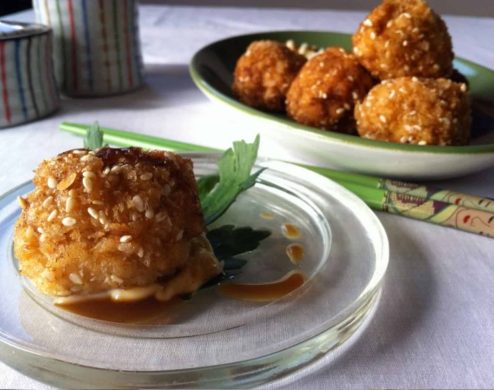
csm_Scallop_balls_0d02851f7f

Scallop balls

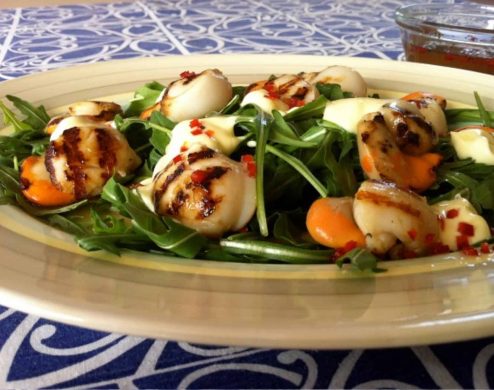
csm_Scallop_salad_316b18b380

Scallop and watercress salad

Search