All Species

Spiny rock lobster

Latin Name: Jasus edwardsii

Weight: Generally 0.6–1kg, but can exceed 5kg

Length: Measured by tail width – the minimum legal size for males is generally 54mm and 60mm for females, but can exceed 120mm.

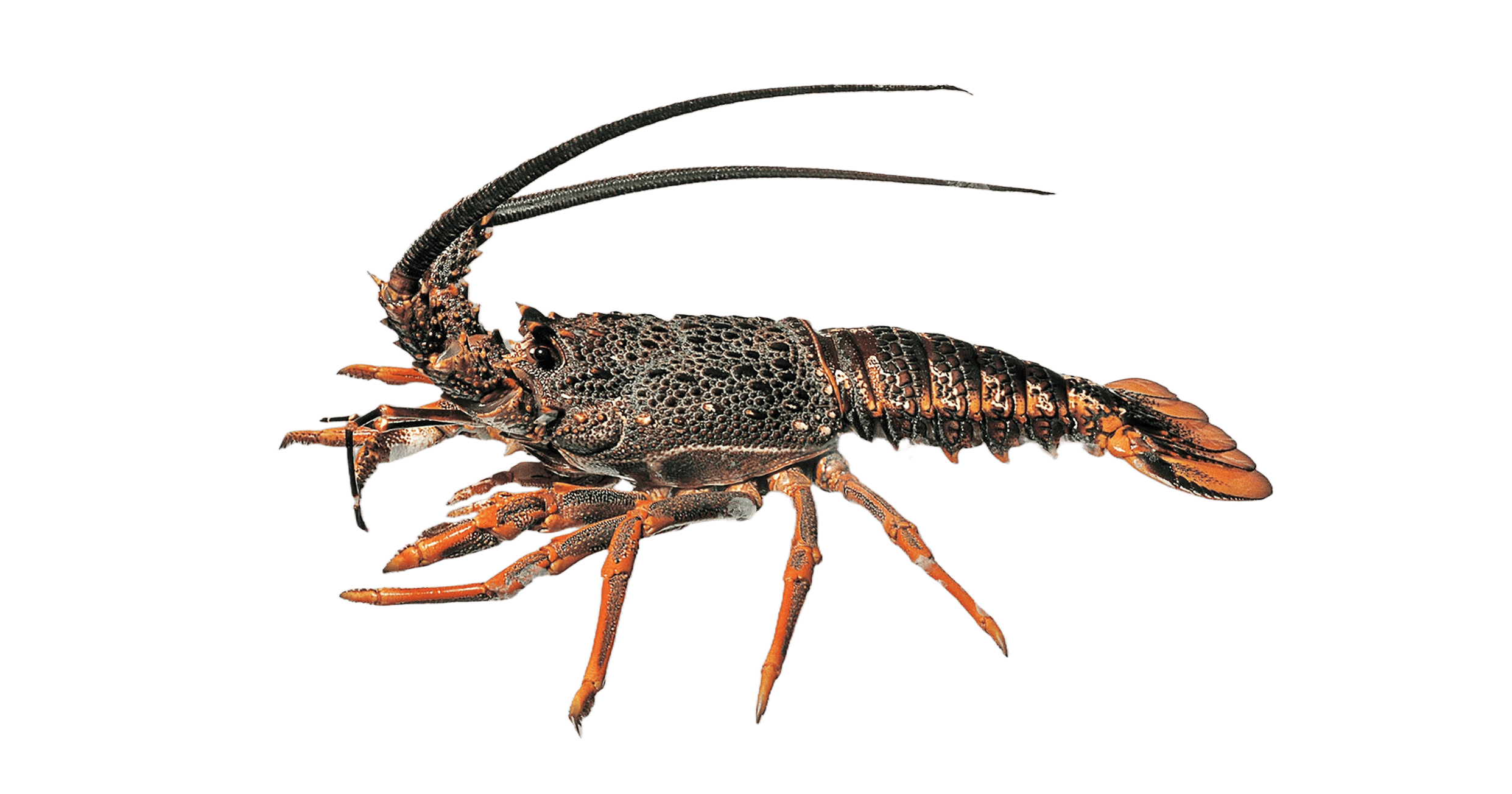
Family: Spiny rock lobster belongs to the Palinuridae family. Unlike true lobsters, spiny lobsters do not have a ‘cheliped’, the large pinching claws at the end of the front leg and instead rely on their powerful tails and long antennae for defence.

  • Wild Caught
  • Farmed

Location

Spiny rock lobsters are found all around New Zealand’s rocky coastline and are also present along southern Australia from Victoria to Western Australia, as well as Tasmania.

Sustainability

The sustainable management of New Zealand spiny rock lobster fisheries is supported through the world-leading Fisheries Act and Quota Management System (QMS). Spiny rock lobster is an important species for Māori, commercial and recreational fishers, and its abundance is closely managed through annual stock monitoring and regular scientific assessments. The ongoing collection of stock monitoring data and subsequent assessments allow catch limits to be adjusted in response to changes in abundance, helping maintain healthy populations and sustainable harvests of spiny rock lobster from around New Zealand.


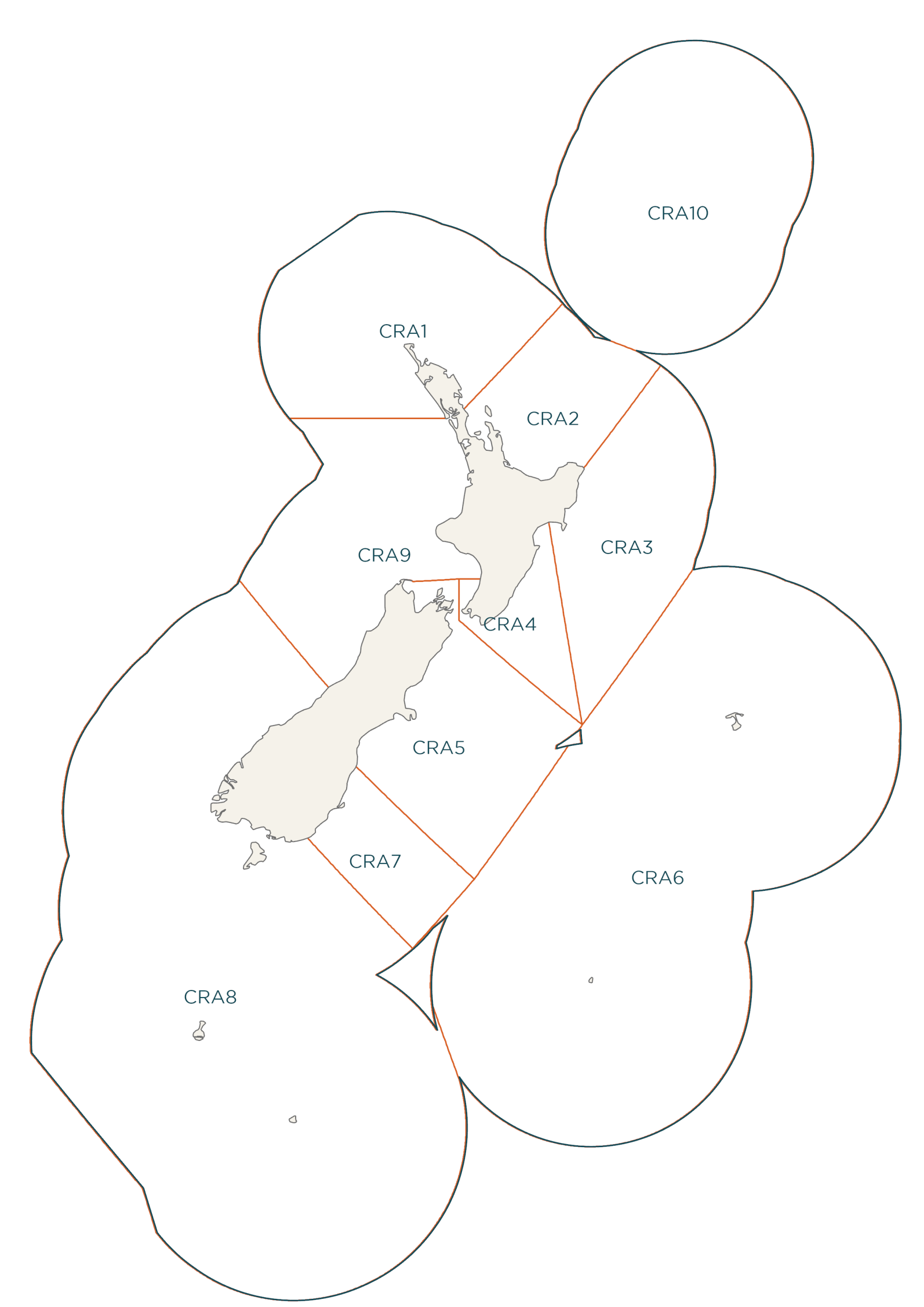
The map shows the quota management areas (QMAs) relevant to this fishery. Source: Fisheries New Zealand (MPI) NABIS spatial data.

Fishing Methods

Fishing Methods

Pots & Traps Pots & Traps

Fishing Season

  • JAN

  • FEB

  • MAR

  • APR

  • MAY

  • JUN

  • JUL

  • AUG

  • SEP

  • OCT

  • NOV

  • DEC

Peak Season
Off Season

Nutrition

Source: Biotin (Vitamin B7), Thiamin (Vitamin B1), Iodine, Magnesium, Zinc, Potassium

Good Source: Niacin (Vitamin B3), Pantothenic Acid (Vitamin B5), Vitamin B12, Copper, Phosphorus, Selenium

Seafood is a highly nutritious food and is a great source of protein. Many species are low in saturated fat and a number of them are a good source of Omega 3.

Did you know?

Spiny rock lobsters can live for more than 20 years and have been known to travel considerable distances between Otago and Fiordland as they grow and mature.

Māori have harvested kōura (rock lobster) for centuries, and it remains an important customary, recreational and commercial fishery today.

Cooking Tips

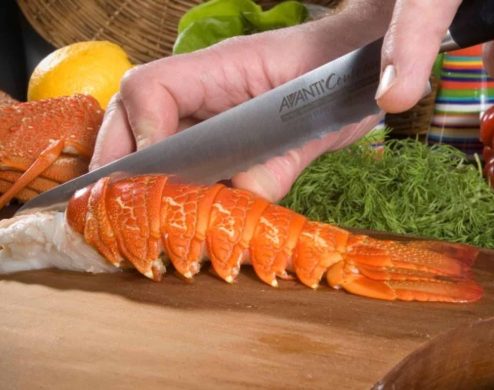
Spiny rock lobster is prized for its sweet, rich flavour and firm, succulent flesh. For best results, cook gently and avoid overcooking, as this can make the meat tough. Lobster can be boiled, steamed, grilled or barbecued and pairs beautifully with garlic butter, lemon and fresh herbs.

Try it:

• Boiled
• Steamed
• Grilled
• Barbecued

To prepare a whole lobster, chill it in the freezer for at least an hour and then dispatch (i.e., chill then kill) before cooking. When cooked in boiling salted water, the flesh changes from translucent to opaque. For a 600 to 800 g lobster, boil for approximately 10 minutes or steam for 15 to 18 minutes.

For grilling, par-boil the lobster for 5 minutes, then place it in iced water to cool. Remove the meat from the shell and grill flesh-side down with a little oil or butter for approximately 5 minutes on each side. Take care not to overcook, and cook only until the flesh turns opaque and is just cooked through.

Rock lobster must be dispatched humanely – please visit the MPI guidelines.
Spiny rock lobster Recipes

csm_Rock_lobster_salsa1_8de7e35dfe

Rock lobster & avocado salsa

Search