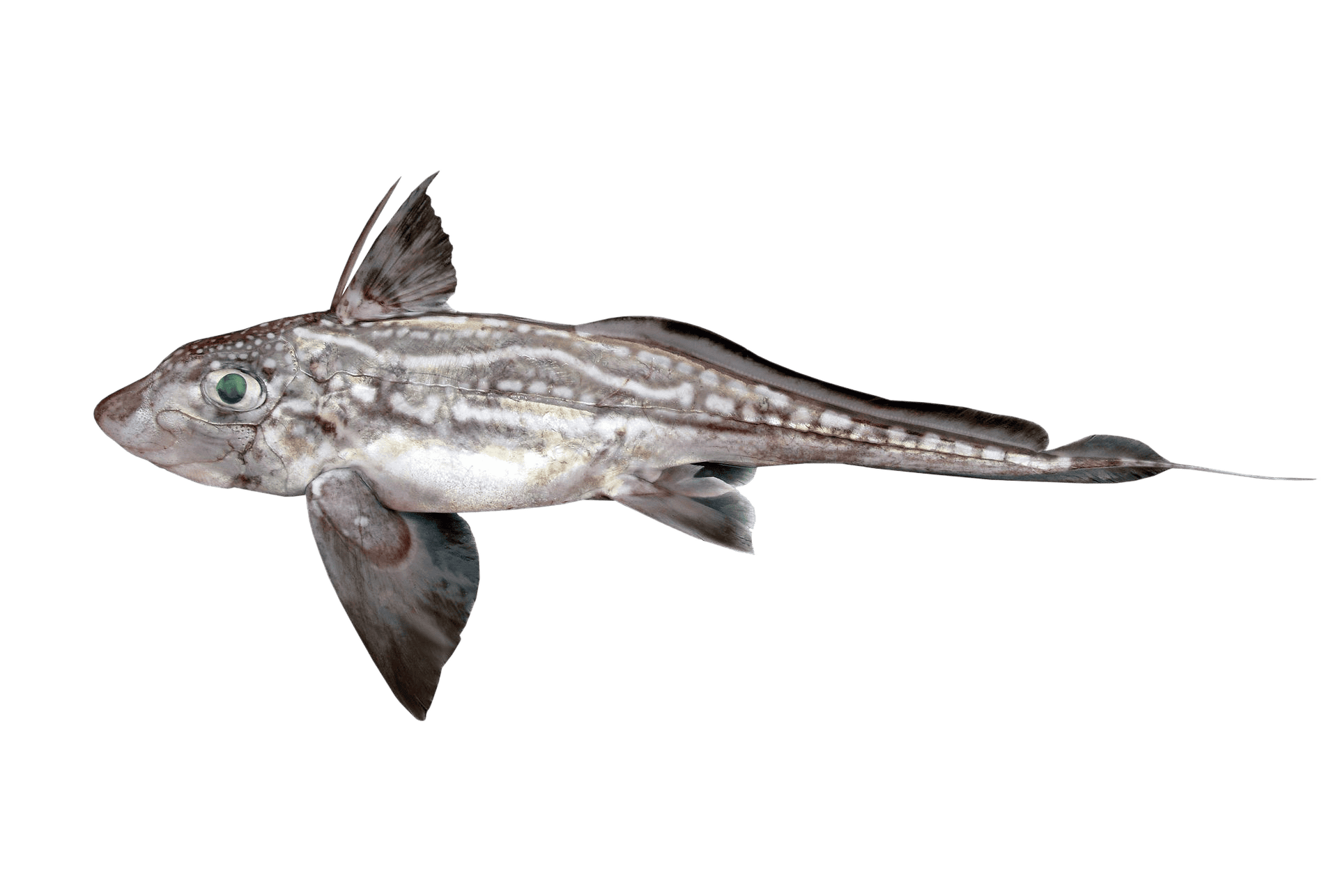
Latin Name: Hydrolagus novaezealandiae (dark), H. bemisi (pale)
Weight: 0.6–1.5kg
Length: 50–80cm (excluding the tail filament)
Family: Dark ghostshark belongs to the Chimaeridae family (chimaeras, ghostsharks) and is restricted to New Zealand, but there are similar species elsewhere. It is sometimes sold as Pearl fish.
- Wild Caught
- Farmed
Location
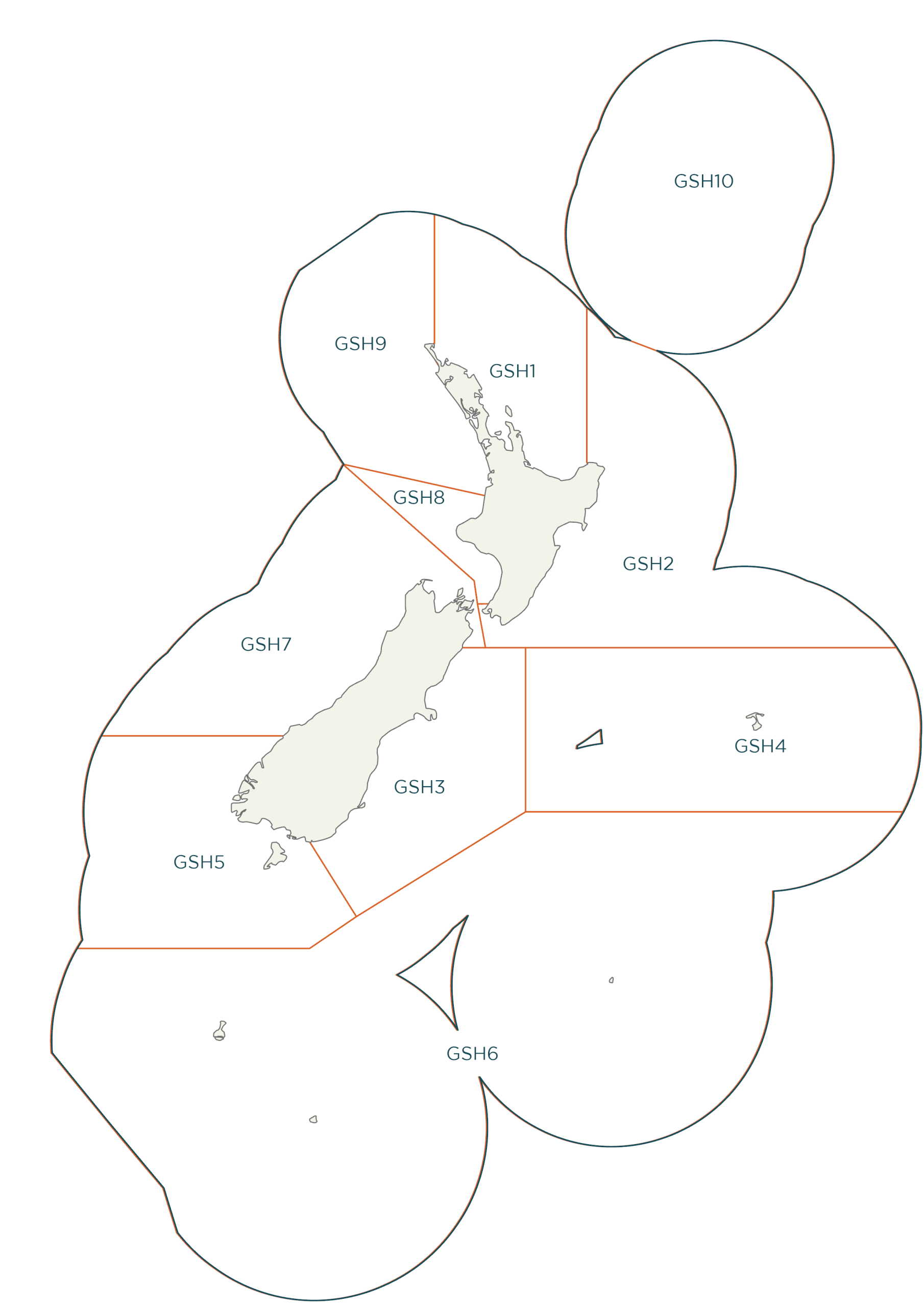
Dark ghostsharks are most abundant in waters 150 to 500 metres deep off the west coast of the South Island and on the Chatham Rise.
Sustainability
Sustainability of this New Zealand fish stock is ensured through the world-leading Fisheries Act and Quota Management System (QMS). The QMS guides the sustainable use of New Zealand fisheries. Find out what the QMS is and how it works.
Fishing Methods
Fishing Methods
Fishing Season
-
JAN
-
FEB
-
MAR
-
APR
-
MAY
-
JUN
-
JUL
-
AUG
-
SEP
-
OCT
-
NOV
-
DEC
Nutrition
Source: Biotin (vitamin B7), Iodine, Magnesium, Phosphorus, Potassium
Good Source: Niacin (vitamin B3), vitamin B12, Selenium, Omega-3 fatty acids
Seafood is a highly nutritious food and is a great source of protein. Many species are low in saturated fat and a number of them are a good source of Omega 3.
Did you know?
Because of their appearance, Ghostsharks are known in other cultures as ‘ratfish’ and ‘rabbitfish’. ‘Hydrolagus’ in their scientific name means ‘water hare’.
Cooking Tips
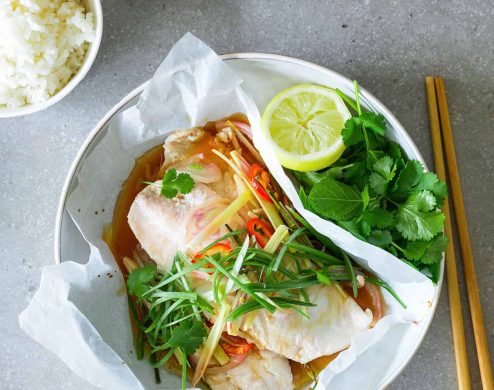
Ghost shark has white, firm-textured and boneless fillets. Try it
- in a curry
- poached
- steamed
- baked
- barbequed
- casserole
- fried