Family: Trevally belong to the Carangidae family, a group of fast-swimming ocean fish that includes trevallies and kingfish. They are prized for their firm flesh, versatility and excellent eating qualities.
Wild Caught
Farmed
Location
Trevally are found throughout coastal waters around New Zealand, particularly around the North Island and northern South Island. Juveniles are commonly found in sheltered harbours, estuaries and bays, while adults inhabit both pelagic (open-water) and demersal (near the seabed) environments. Mature fish form large schools over reefs, sandy seabeds and offshore waters, where they feed on krill and other plankton. Trevally can live for up to 45 years.
Sustainability
Sustainability of this New Zealand fishery is ensured through the world-leading Fisheries Act and Quota Management System (QMS). Trevally has supported commercial fisheries in New Zealand since at least the early 1900s, with commercial catch records dating back to 1931. Stocks declined off the west coast of the North Island during the 1960s and 1970s, but spawning biomass has remained relatively stable since the 1980s. Today, stock abundance is monitored through commercial catch information, scientific research and ongoing fisheries assessments.
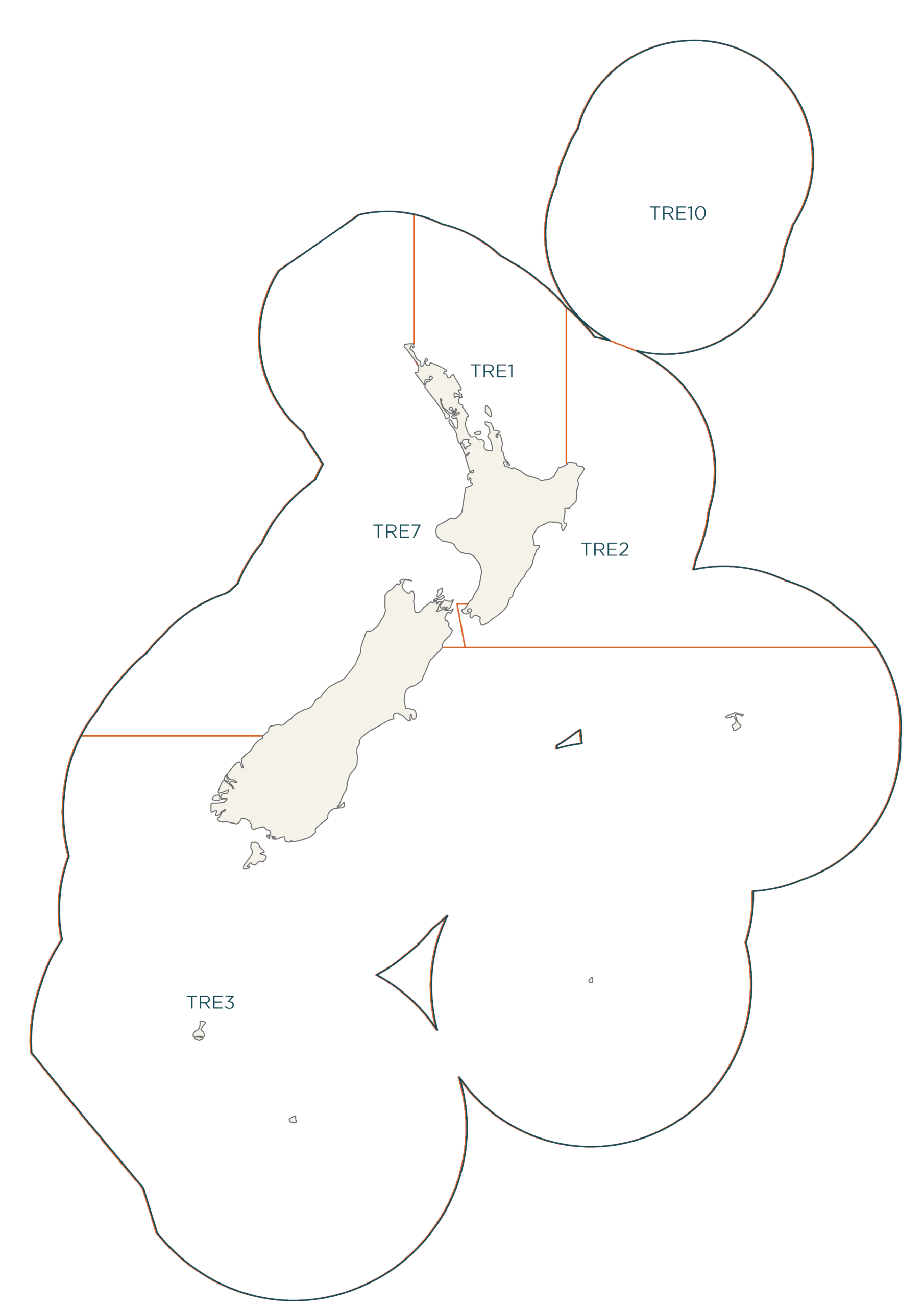
The adjacent map shows the quota management areas (QMAs) relevant to this fishery. Source: Fisheries New Zealand (MPI) NABIS spatial data.
Seafood is a highly nutritious food and is a great source of protein. Many species are low in saturated fat and a number of them are a good source of Omega 3.
Did you know?
Young trevally often shelter in seagrass meadows and estuaries, which provide important nursery habitats before they move into coastal and offshore waters as adults. As seagrass has disappeared from some areas, scientists in the Coromandel have experimented with artificial seagrass mats, finding that many juvenile trevally readily use these “designer homes” for shelter.
Cooking Tips
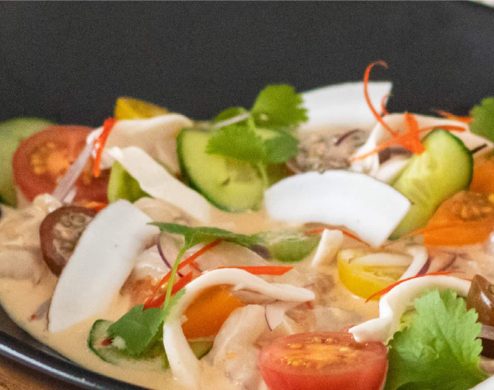
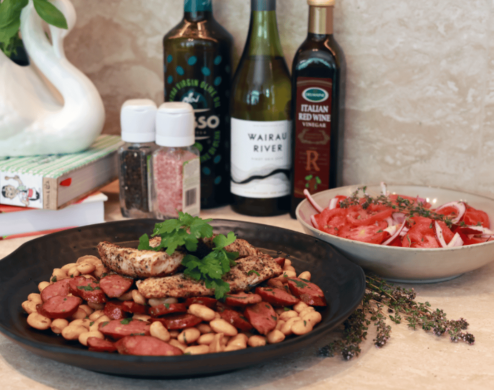
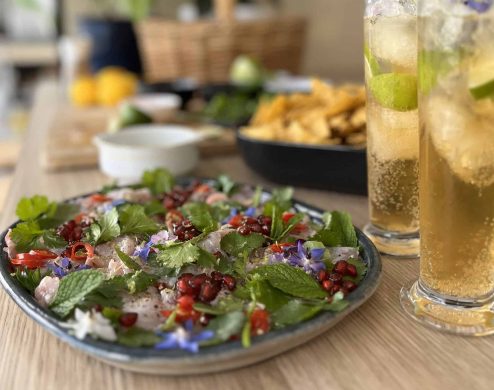
Trevally has delicate, mild-flavoured flesh and a fine texture that suits a wide range of cooking methods. It is equally at home in fresh, lightly prepared dishes or richer, flavourful meals.

 Seine
 Trawl