Sustainability
Fishing for today – and tomorrow
Fishing for today – and tomorrow
New Zealanders have harvested seafood from our waters for generations. Sustainable fishing means ensuring we can continue to enjoy the benefits of seafood today, while maintaining healthy fish populations and a healthy marine environment for the future.
New Zealand’s commercial fisheries operate within a comprehensive management system built around science, catch limits, monitoring, reporting and regular review. All commercial catch is reported and accounted for, and fishing limits can be adjusted as new information about fish populations becomes available.


Science at the heart of fisheries management
Fish populations naturally change over time, influenced by environmental conditions, ocean temperatures, recruitment of young fish and fishing pressure.
That is why New Zealand fisheries are regularly scientifically assessed. Fisheries New Zealand uses this information to set and review catch limits, reducing catches where stocks need additional protection or rebuilding and increasing them where the science supports it.
At the centre of this approach is the Quota Management System (QMS), which sets limits on how much can be taken from individual fish stocks and accounts for commercial, recreational and customary fishing.
The principle is simple: harvest the resource while maintaining the fish populations the future of the fishery depends on.
Strong performance internationally
New Zealand is part of one of the better-performing fisheries regions globally.
The Food and Agriculture Organization of the United Nations found that 85.5% of assessed fish stocks in the Southwest Pacific were biologically sustainably fished.
Independent certification also provides an important measure of performance. Around two-thirds of the catch from New Zealand’s deepwater fisheries is certified by the Marine Stewardship Council (MSC) or is in an MSC improvement programme.
New Zealand hoki is one of the standout examples, reaching 25 years of continuous MSC certification in 2026.
Monitoring what happens on the water
Good fisheries management depends on good information.
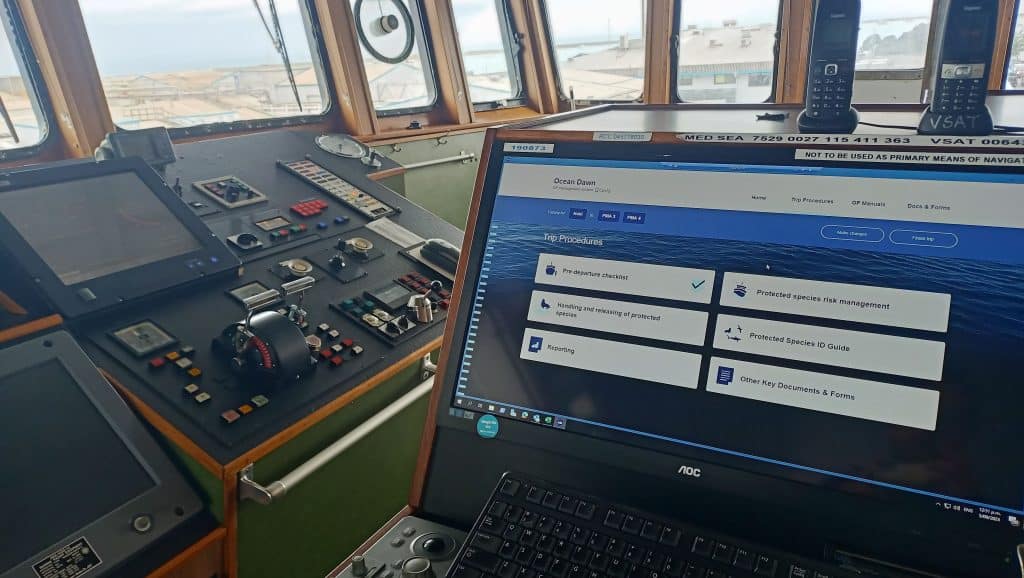
Digital catch reporting, vessel monitoring, fisheries observers and on-board cameras provide increasingly detailed information about commercial fishing activity and catch. By June 2026, cameras were operating on 220 commercial fishing vessels.
This information helps Fisheries New Zealand monitor fishing activity, improve fisheries science and make informed management decisions.
Looking after the wider marine environment
Sustainable fishing is about more than fish stocks.
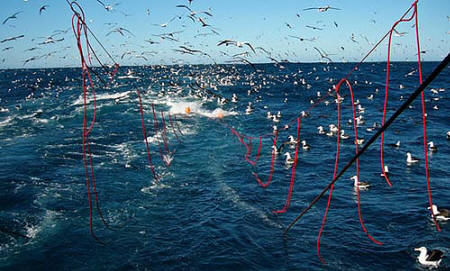
New Zealand’s fisheries management also considers the effects of fishing on seabed habitats, seabirds, marine mammals and other protected species. Protected areas, changes in fishing practices and new technologies are used to avoid or reduce these impacts.
The industry continues to invest in more selective fishing gear and technology that reduces unwanted catch and enables fishers to operate more efficiently. Sustainability requires continual improvement as science, technology and our understanding of the marine environment evolve.
A low-carbon food choice
New Zealand wild-caught seafood also performs strongly from a climate perspective.
A 2023 AgResearch life-cycle assessment found that wild-caught fish from New Zealand’s deepwater fleet had the lowest carbon footprint among commonly consumed animal proteins and foods produced in New Zealand included in the study.
Improvements in vessel and fishing efficiency provide further opportunities to reduce that footprint.
Our future depends on healthy oceans
The seafood industry depends on healthy oceans and healthy fish populations. There is no long-term fishing industry without them.
New Zealand’s approach combines science, catch limits, reporting, monitoring, independent certification and ongoing improvements in fishing technology and practice.
There will always be challenges to manage and opportunities to improve. By responding to the science and continually improving how we fish, we can help ensure New Zealand’s oceans continue to provide healthy, sustainable seafood for generations to come.