Seafood New Zealand says the latest fisheries sustainability decisions demonstrate the effectiveness of New Zealand’s fisheries management system in responding to new information and ensuring catch limits remain sustainable.
The Minister for Oceans and Fisheries today announced decisions on 22 fish stocks across New Zealand’s inshore and deepwater fisheries following the latest sustainability review.
Seafood New Zealand Chief Executive Lisa Futschek says the decisions are another example of the Quota Management System (QMS) working as intended.
“New Zealand’s fisheries management system is designed to respond as information changes. MPI collects and analyses data, the science is tested and independently reviewed, the public and interested parties can provide their views, and catch settings can then be adjusted up or down based on the best available information.
“This process matters. Sustainable fisheries management isn’t about catch limits remaining static; it is about making changes when the evidence shows they are needed.
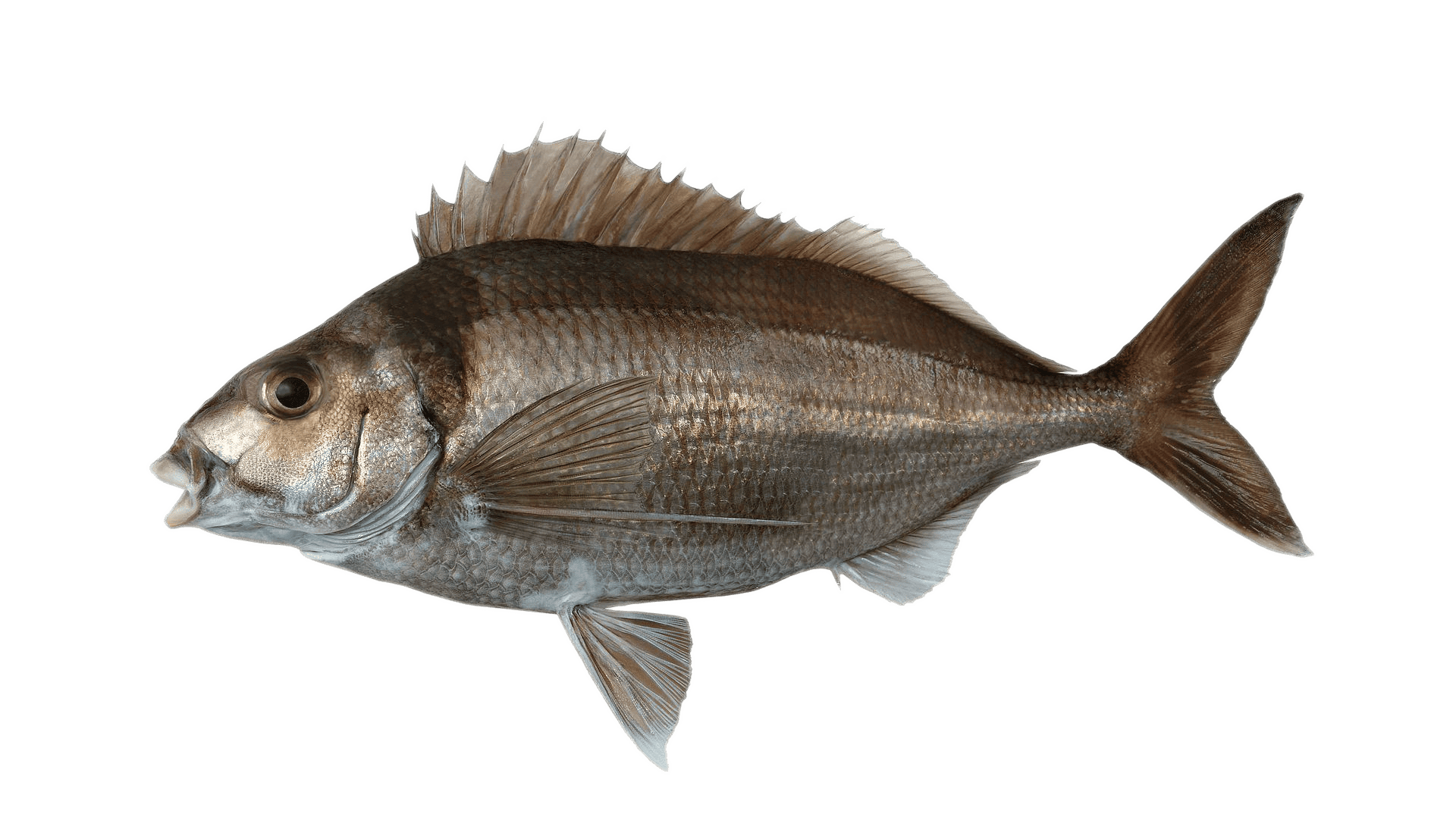
Tarakihi
Seafood New Zealand welcomes a decision that continues the rebuild of tarakihi stocks while recognising the significant impacts that reductions in catch limits will have on seafood consumers, businesses, crews and coastal communities.
Tiff Bock, GM Inshore Fisheries, says more than 90% of New Zealand’s tarakihi is eaten by Kiwis here at home.
“Any tarakihi available for sale comes from fisheries with sustainable catch limits and an industry working within strict rules and monitoring.
“Healthy fish populations are the foundation of a sustainable seafood sector, and we support decisions that ensure tarakihi continues to rebuild for future generations.
“Importantly, the Government has committed to a further review next year, and additional science work is already commencing to improve our understanding of the fishery.
“This is not the start of a rebuild. Industry has been actively rebuilding east coast tarakihi since 2018 through catch reductions, avoidance measures, gear changes, improved monitoring and significant investment in research. We remain committed to rebuilding the stocks.”
Ling
Aaron Irving, GM Deepwater Fisheries, says the industry supports the reduced catch limit set by the Minister. Ling quota owners acknowledge the science and recognise that the stock has experienced prolonged periods of lower-than-normal recruitment (ability of fish to survive the early stages of life).
“A lower catch limit will provide more room for younger fish to enter the fishery and replenish the stock faster.”
Ms Futschek says, “We want to acknowledge the Minister and MPI for the careful consideration given to both the science and the views provided through public consultation in making these significant decisions.
“This is how we ensure New Zealanders can continue to enjoy seafood from healthy, well-managed fisheries for generations to come.”
ENDS
For more information or to arrange interviews, please contact:
Nirupa George
Director, Communications and Engagement
Email: [email protected]
Phone: 021 051 2656