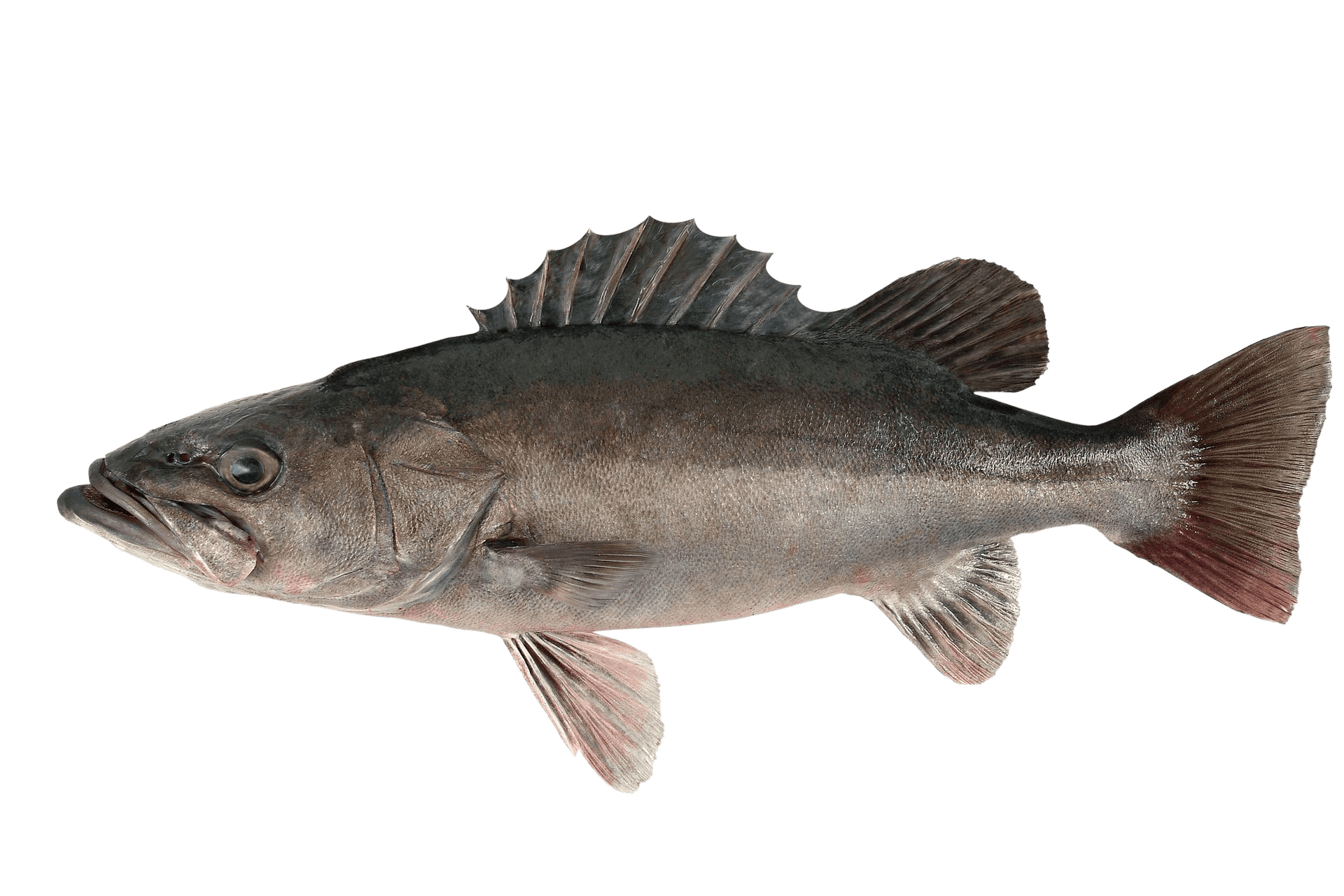
Family: Hapuku are also known as groper. Hapuku belong to the Percichthyidae family (temperate basses).
Wild Caught
Farmed
Location
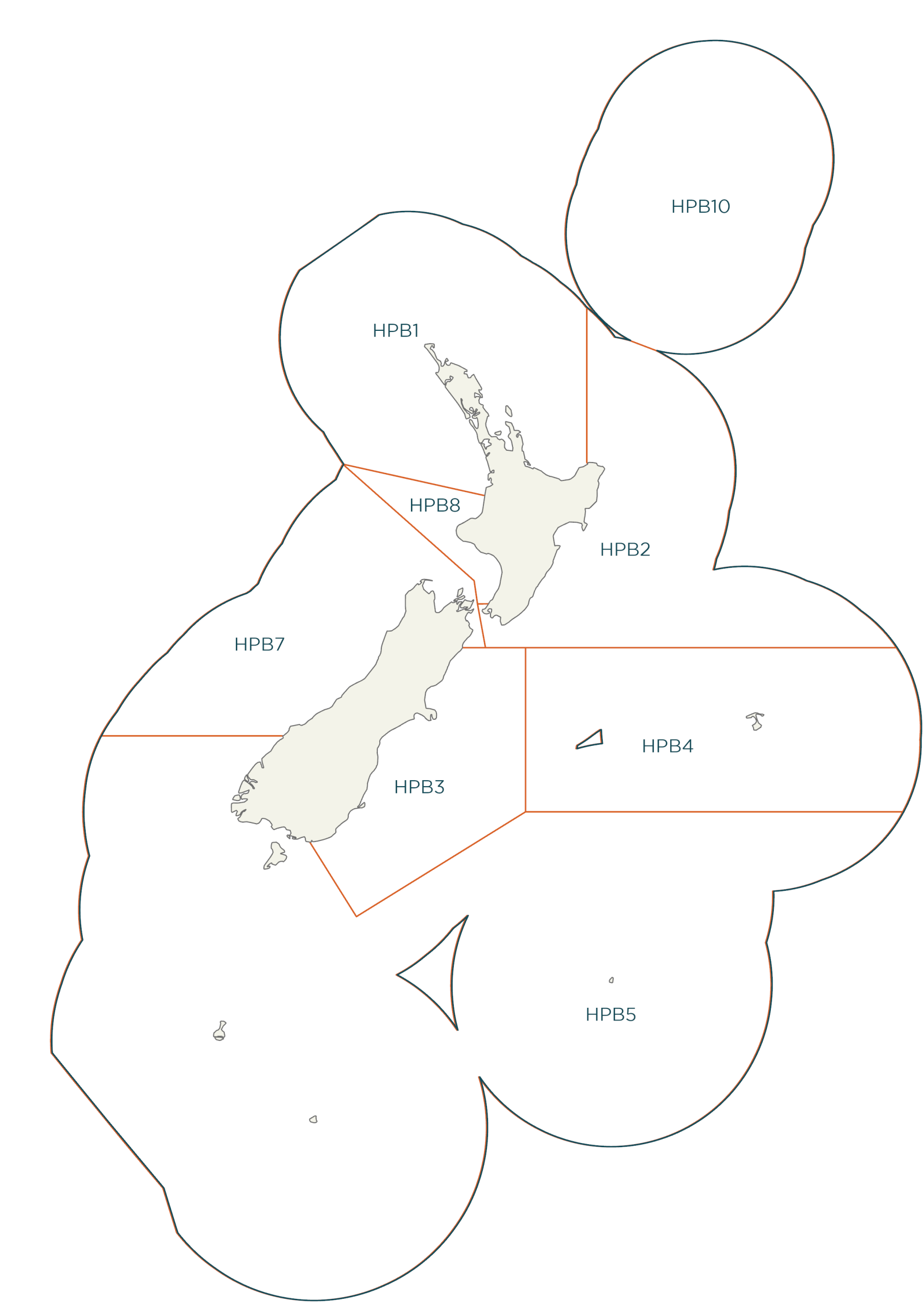
They are found around New Zealand and the Chatham Islands and on the Chatham Rise. Some inhabit reefs a few metres below the surface, others live at depths of up to 400 metres. Hapuku rarely swim alone and are sometimes found in schools of 30 or more. They migrate but are believed to return to the same caves and rocky clefts for the winter spawning season.
Sustainability
Sustainability of this New Zealand fish stock is ensured through the world-leading Fisheries Act and Quota Management System (QMS). The QMS guides the sustainable use of New Zealand fisheries. Find out what the QMS is and how it works.
Seafood is a highly nutritious food and is a great source of protein. Many species are low in saturated fat and a number of them are a good source of Omega 3.
Did you know?
Hapuku are thought to be long-term residents of their particular rocky areas.
Cooking Tips
Hapuku flesh is firm and white with few bones. Treat your hapuku with care to preserve its delicate flavour and succulence – allow it to be the star of your dish, rather than any accompanying sauce. Hapuku makes wonderful steaks, remains moist with heavy flakes when cooked and smokes well. Try it;
 Hook & Line