Latin Name: Pseudophycis bachus, P. barbata, P. breviuscula
Weight: 0.8–1.3kg, up to 2.0kg
Length: 40–70cm
Family: Red cod are members of the Moridae family (morid cods). Related species: Southern bastard cod (P. barbata) and Northern bastard cod (P. breviuscula).
Wild Caught
Farmed
Location
They are found throughout New Zealand seas, more commonly in southern waters at depths of 100 to 300 metres, occasionally as deep as 700 metres. Usually found in schools, they migrate from the outer continental shelf to shallow coastal grounds.
Sustainability
Red cod are caught primarily around the South Island. Natural variations in the number of young fish produced each year have resulted in significant variations in stock abundance and, as a result, management under the Quota Management System allows for rapid changes in catch limits. Stock abundance is monitored via commercial catch rates, with trawl survey abundance indices showing consistent changes.
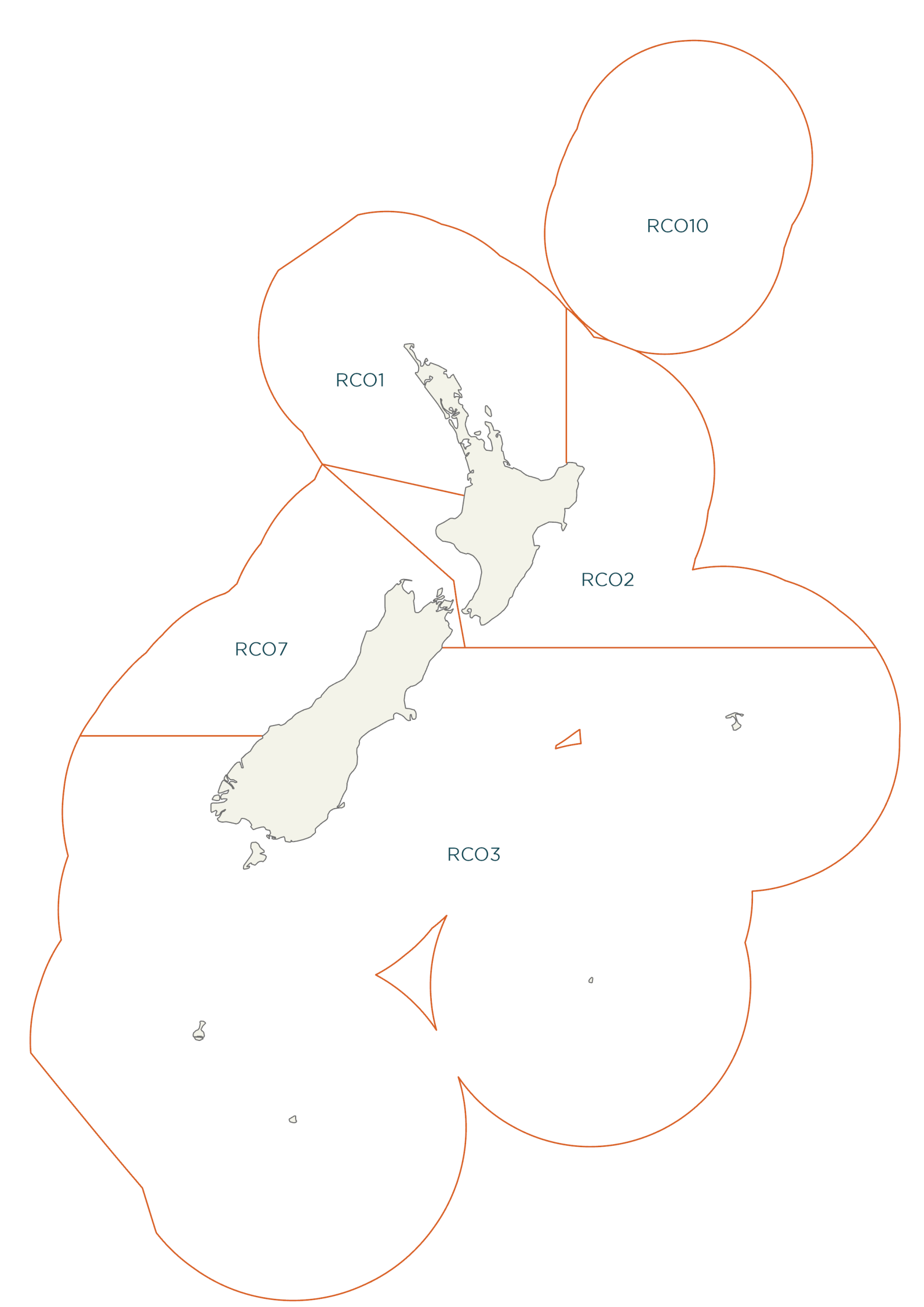
The adjacent map shows the quota management areas (QMAs) relevant to this fishery. Source: Fisheries New Zealand (MPI) NABIS spatial data.
Fishing Methods
Fishing Methods
Trawl
Fishing Season
JAN
FEB
MAR
APR
MAY
JUN
JUL
AUG
SEP
OCT
NOV
DEC
Peak Season
Off Season
Nutrition
Source: Biotin (vitamin B 7), Iodine, Phosphorus, Potassium
Good Source: Niacin (vitamin B3), Vitamin B12, Selenium
Seafood is a highly nutritious food and is a great source of protein. Many species are low in saturated fat and a number of them are a good source of Omega 3.
Did you know?
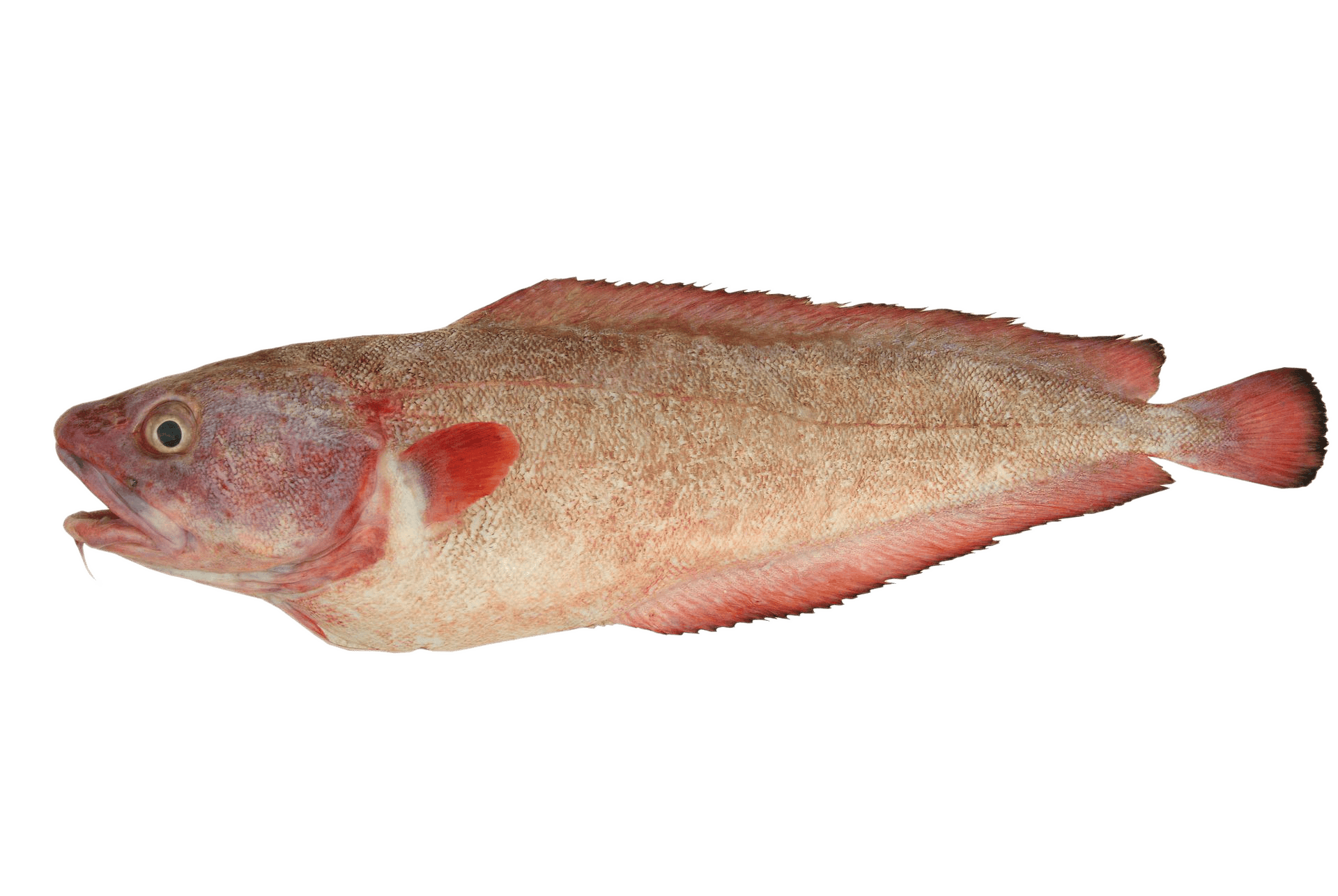
The Red cod has a barbel – a protruding fleshy filament – on its lower jaw, which it uses to detect prey buried in mud or sand.
Cooking Tips
Red cod flesh is delicate with fillets that flake easily when cooked; it is often smoked but can also be fried, baked or poached.
 Trawl
Trawl