
What does it take to sustain a fishery over decades?
A lot of hard work, care, and a real commitment to getting it right for the long term.
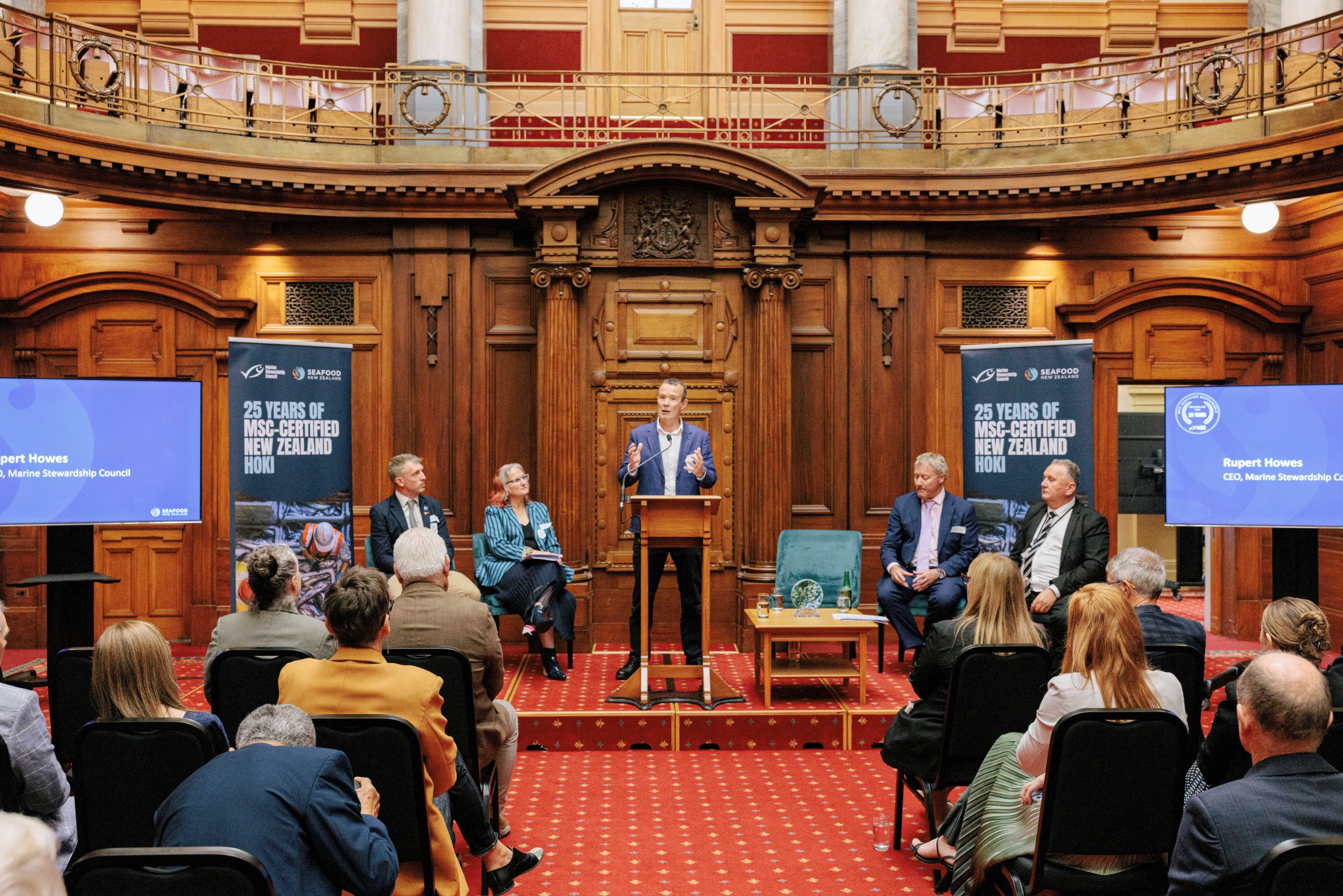
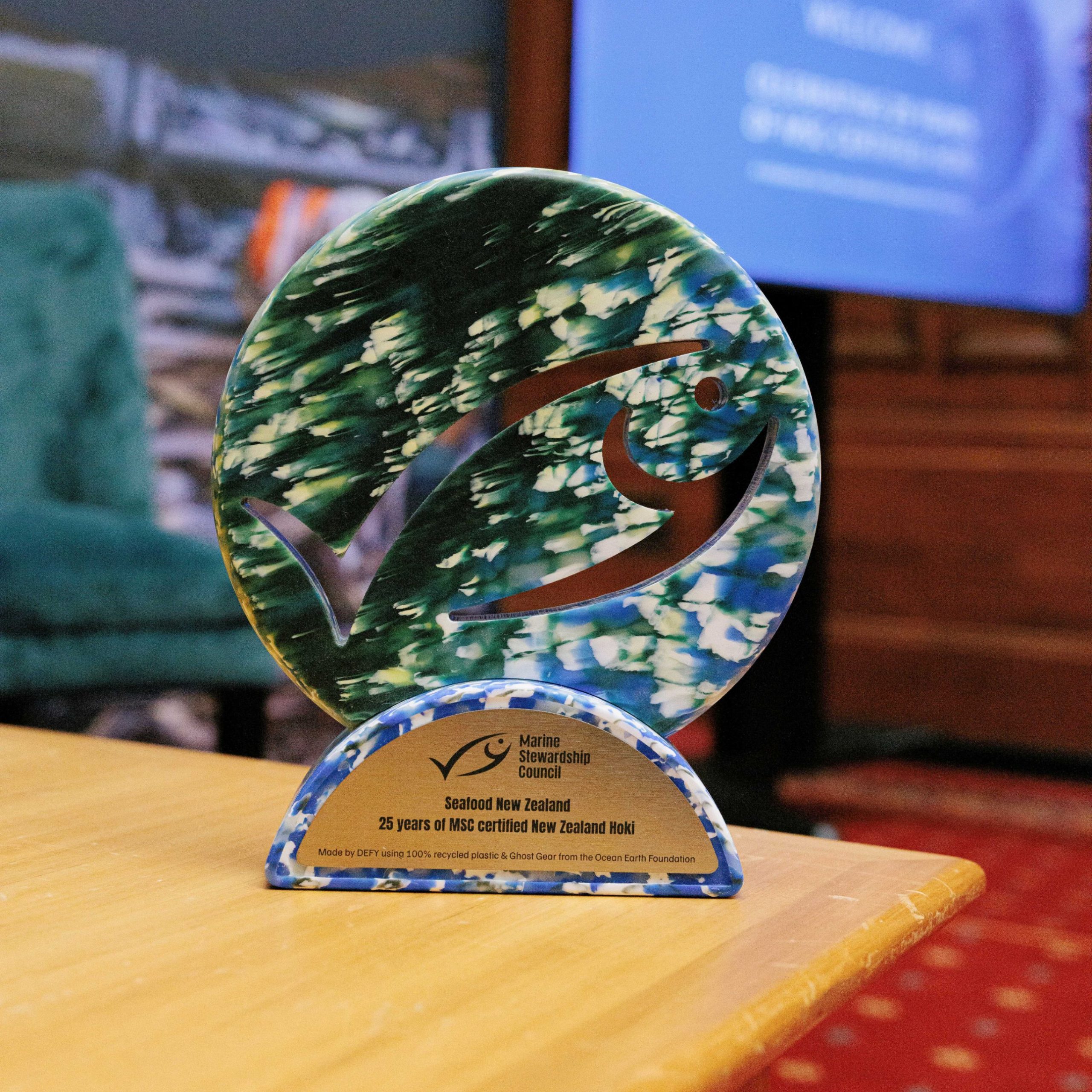
Last week we were given the chance to reflect on that, as we celebrated a pretty special milestone for one of New Zealand’s most important fisheries. The hoki fishery has now reached 25 years of continuous certification under the Marine Stewardship Council (MSC) standard – the longest-running certified whitefish fishery in the world. It’s also just been recertified again, for the fifth time, against a standard that keeps getting tougher.
That’s a big deal.
We were lucky to have MSC Chief Executive Rupert Howes here in New Zealand to mark the occasion. It was a great moment to pause and recognise what’s gone into achieving – and maintaining – something like this. Because it doesn’t just happen. It takes consistent effort, year after year.
And at the heart of it are people.
The skippers and crews out on the water. The scientists doing the research and tracking what’s happening. The managers making careful, evidence-based decisions. The people onshore processing, improving, and keeping things moving. This milestone belongs to all of them.
It’s also part of a bigger story. Alongside hoki, our hake, ling and southern blue whiting fisheries have also achieved certification under the latest MSC standard. Together, they show the strength and consistency of how our fisheries are managed here in New Zealand.
Hoki itself is one of our largest and most valuable fisheries, bringing in around $230 million a year and supporting hundreds of jobs. Last year alone, more than 100,000 tonnes were landed – enough to provide around eight sustainable seafood meals for every New Zealander and Australian.
But what really stands out is how the fishery responds when things change.
Back in 2018, hoki numbers came in lower than expected. The response wasn’t to push harder – it was to ease off. Industry supported cuts to catch limits to help the stock recover faster. That’s not always easy, but it’s the right call when you’re thinking long term.
That’s exactly the kind of approach the MSC certification is there to recognise.
Without getting too technical, the latest version of the MSC standard lifts the bar again. It looks at everything from reducing gear loss at sea to protecting marine species and habitats. It’s a tough, independent check that looks at the full picture – not just how many fish are in the water, but how the whole system is working.
Put simply, it shows we’re walking the talk.
Globally, about 20% of wild-caught seafood is now part of the MSC programme. Here in New Zealand, it’s closer to 45%. That says a lot about our sector and there’s a real focus on continuous improvement.
It also matters on a bigger scale.
Hoki plays an important role in the global whitefish supply, feeding people across Europe, Australia and Asia. At a time when more people are asking where their food comes from, being able to stand behind a fishery like this – with 25 years of independent certification – really counts.
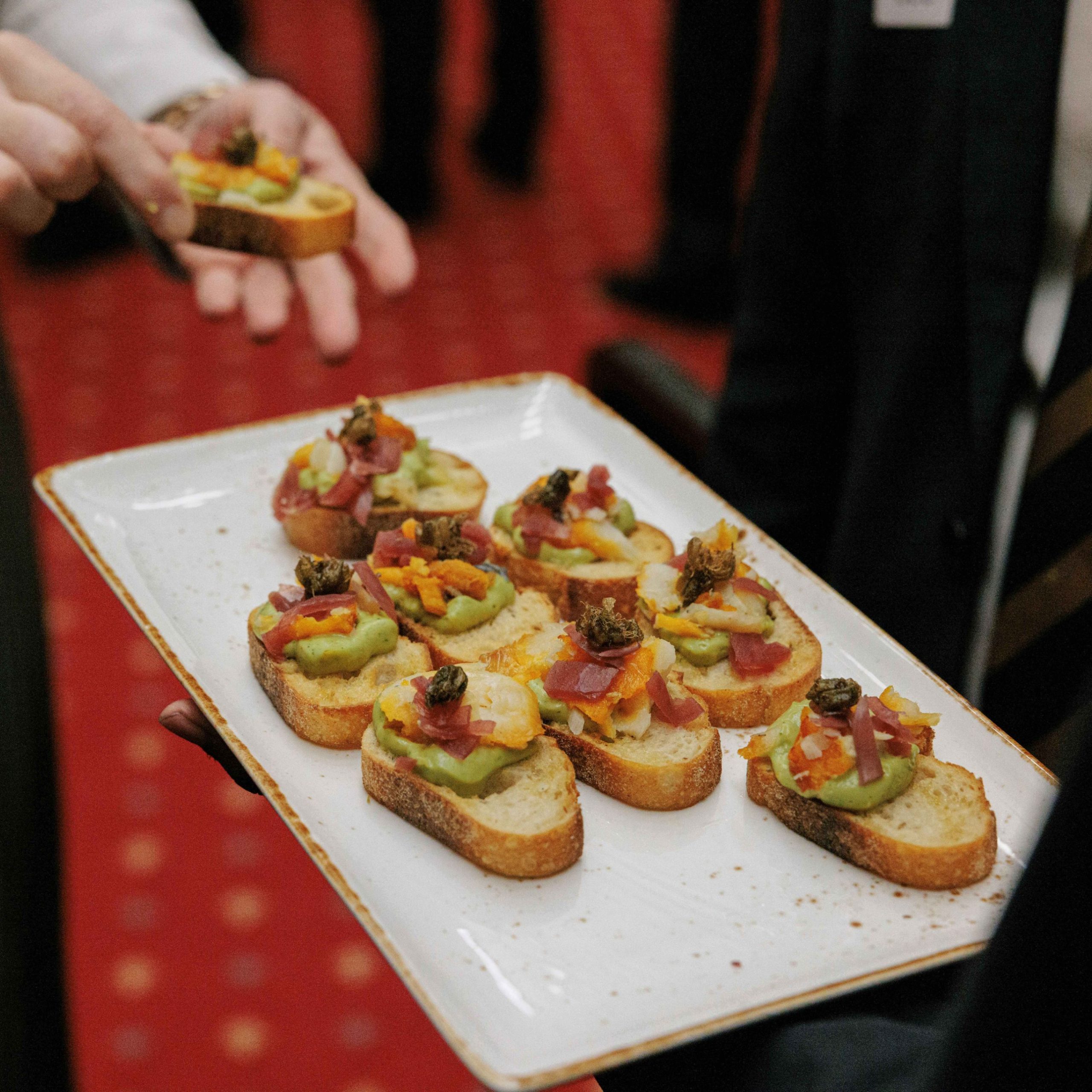
So yes, it’s good to have some positive news (check out the In the News section further down for links) that reflects the reality of our sector. It was also a great event (some piccies below), and a genuine chance to celebrate.
But more than that, it was a reminder.
A reminder that our fisheries don’t stand still. They adapt, improve, and respond when needed. And that behind it all are people who genuinely care about the future of our oceans and our industry.