By Dave Goad Seafood New Zealand Fisheries Manager – Protected Species
Across the country, fishers are doing something most people never see: quietly working out how to fish smarter while minimising any interactions with protected species that also call the ocean their home. Depending on their vessel and where and how they fish, fishers use everything from smarter net positioning, sea lion exclusion devices and acoustic deterrents to keep away from marine mammals, to sinking hooks quickly under the protection of streamer lines, which scare off birds. A lot of this comes straight from fishers who’ve spotted a problem and built their own fix.
No fisher ever wants to catch a protected species. Last week’s headlines, with commentary on protected species captures and coral bycatch (The wildlife caught in fishing gear) was a timely reminder that the public cares about this, too. We won’t pretend every number was one we wanted to see, but we also know the full picture: the overwhelming majority of trips have zero protected species interactions, and fishers are always striving to improve mitigation. Only 2% of fishing events had an interaction with a protected species.
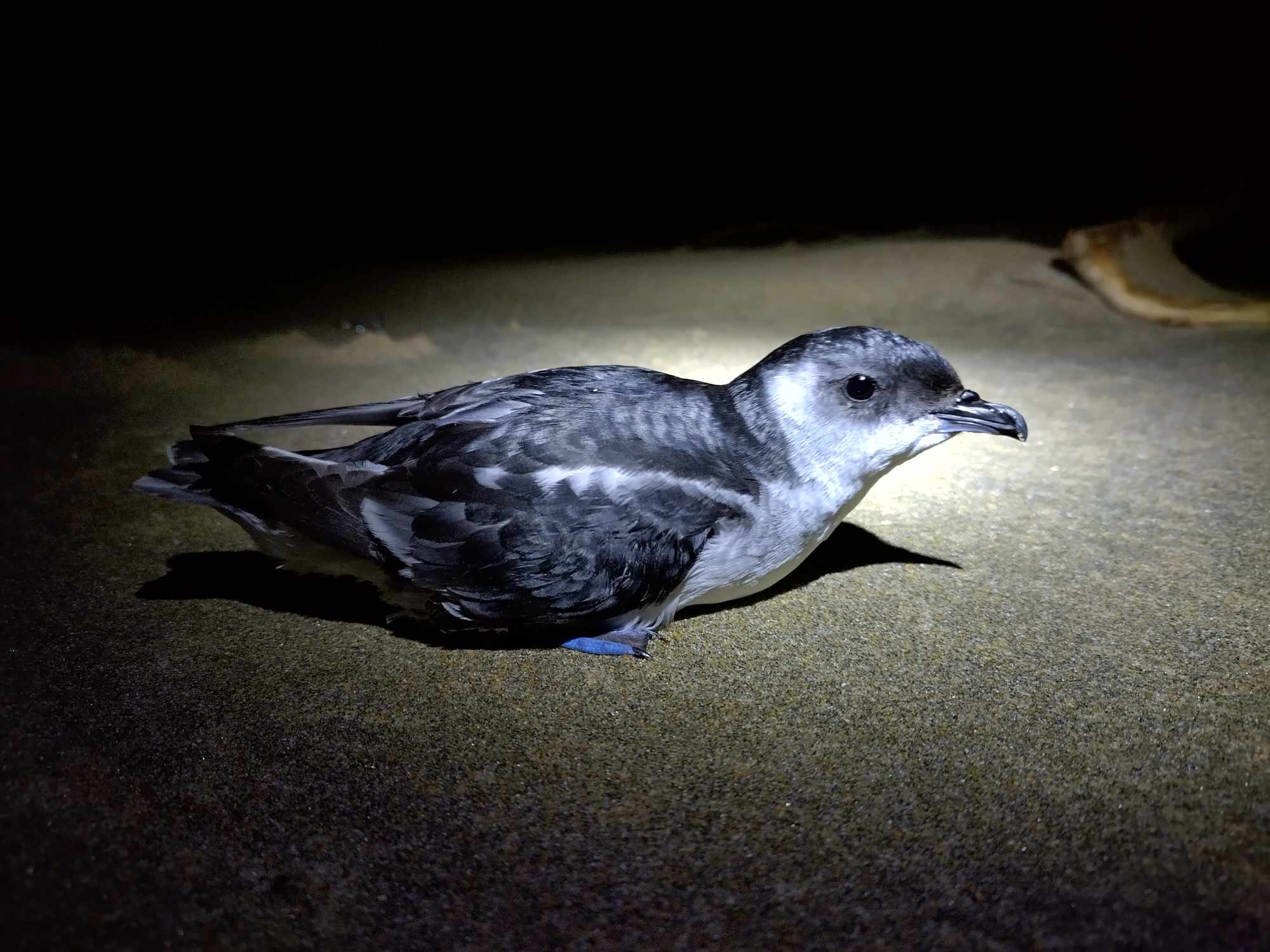
Sometimes we get proof that the message is landing. Take kuaka, the Whenua Hou diving petrel. There are only 210 left in the world, all breeding on a single 900-metre stretch of dune on Whenua Hou / Codfish Island, a few kilometres west of Rakiura / Stewart Island. They’re drawn to artificial light at night, putting them at risk of vessel strikes during courtship and fledging. The Department of Conservation has been monitoring light use around Sealers Bay for several breeding seasons, and the results are genuinely encouraging: commercial, charter and recreational vessels are dimming spotlights, shielding floodlights, using black-out blinds and avoiding unnecessary night movement through the bay, lowering the risk of bird strikes.
That improvement is not an accident. It’s what happens when protecting these species becomes second nature, and part of doing a good job, not an afterthought.
So as we move into a new fishing quarter, thank you to everyone already doing the work. But this is also a reminder to stay sharp on the basics: watch what’s around your gear, follow your risk management plan, and report accurately, every time, including any vessel strike, however minor it seems. Good data is what lets us find the real gaps and keep proving this sector takes its responsibility to protected species, and the ocean, seriously.
More information about the Kuaka can be found here Whenua hou diving petrel