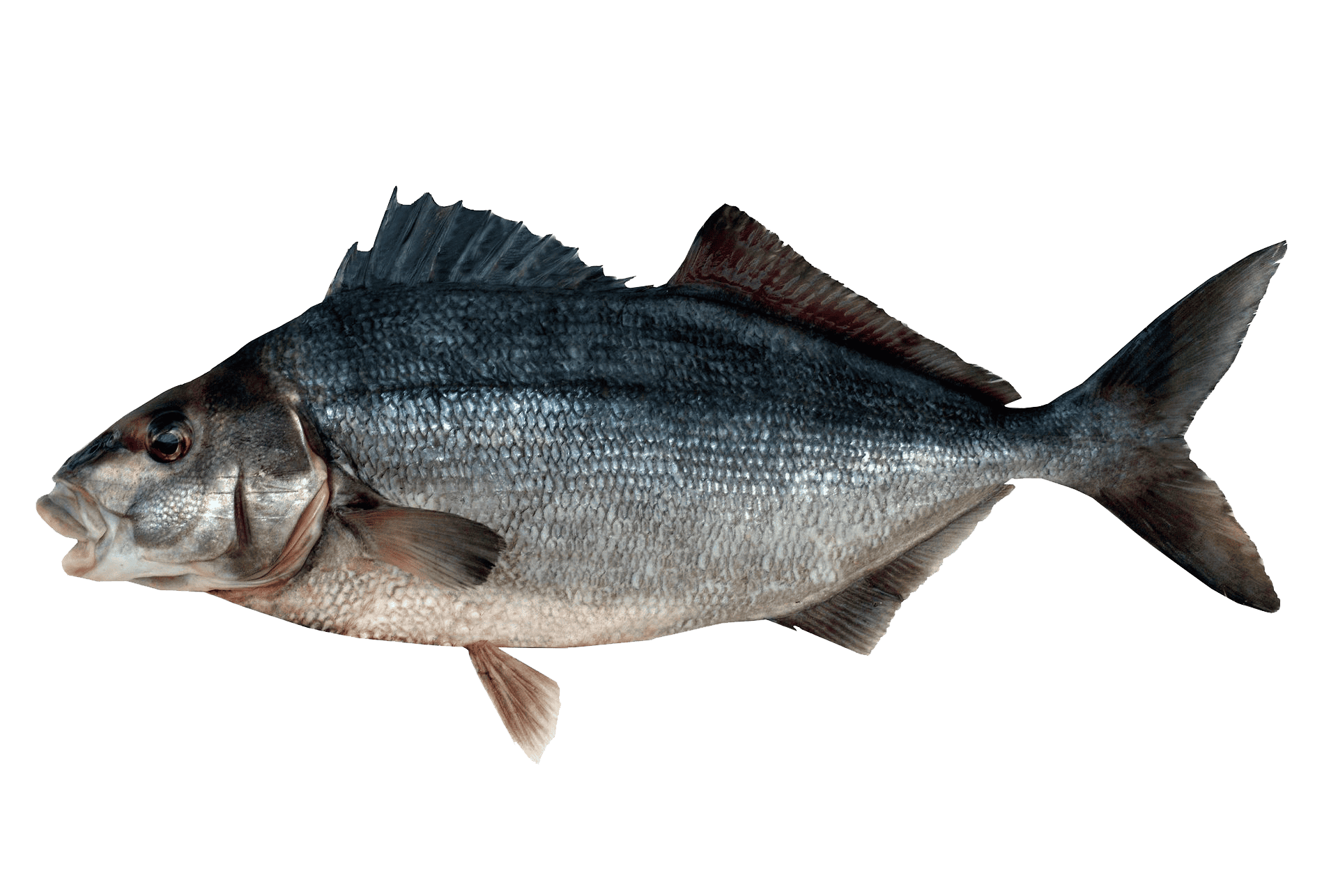
Family: Blue moki belong to the Latrididae family (moki and trumpeter).
Wild Caught
Farmed
Location
Juveniles live in shallow, rocky regions while adults generally school over the sandy seafloor in depths of up to 150 metres. They spawn off the east coast of the North Island. Adults are thought to make an annual migration in April/May from the north-eastern South Island. Spawing takes place in August/September off the Mahia Peninsula and Gisborne coast. The fish then return south towards Kaikoura.
Sustainability
Sustainability of this New Zealand fish stock is ensured through the world-leading Fisheries Act and Quota Management System (QMS). The QMS guides the sustainable use of New Zealand fisheries. Find out what the QMS is and how it works.
Seafood is a highly nutritious food and is a great source of protein. Many species are low in saturated fat and a number of them are a good source of Omega 3.
Did you know?
Blue moki feed on a variety of crabs, shellfish and worms, which they suck from the sandy or muddy seafloor.
Cooking Tips
Blue moki has firm flesh which holds its shape well when cooked.


 Set Net
 Trawl
Trawl