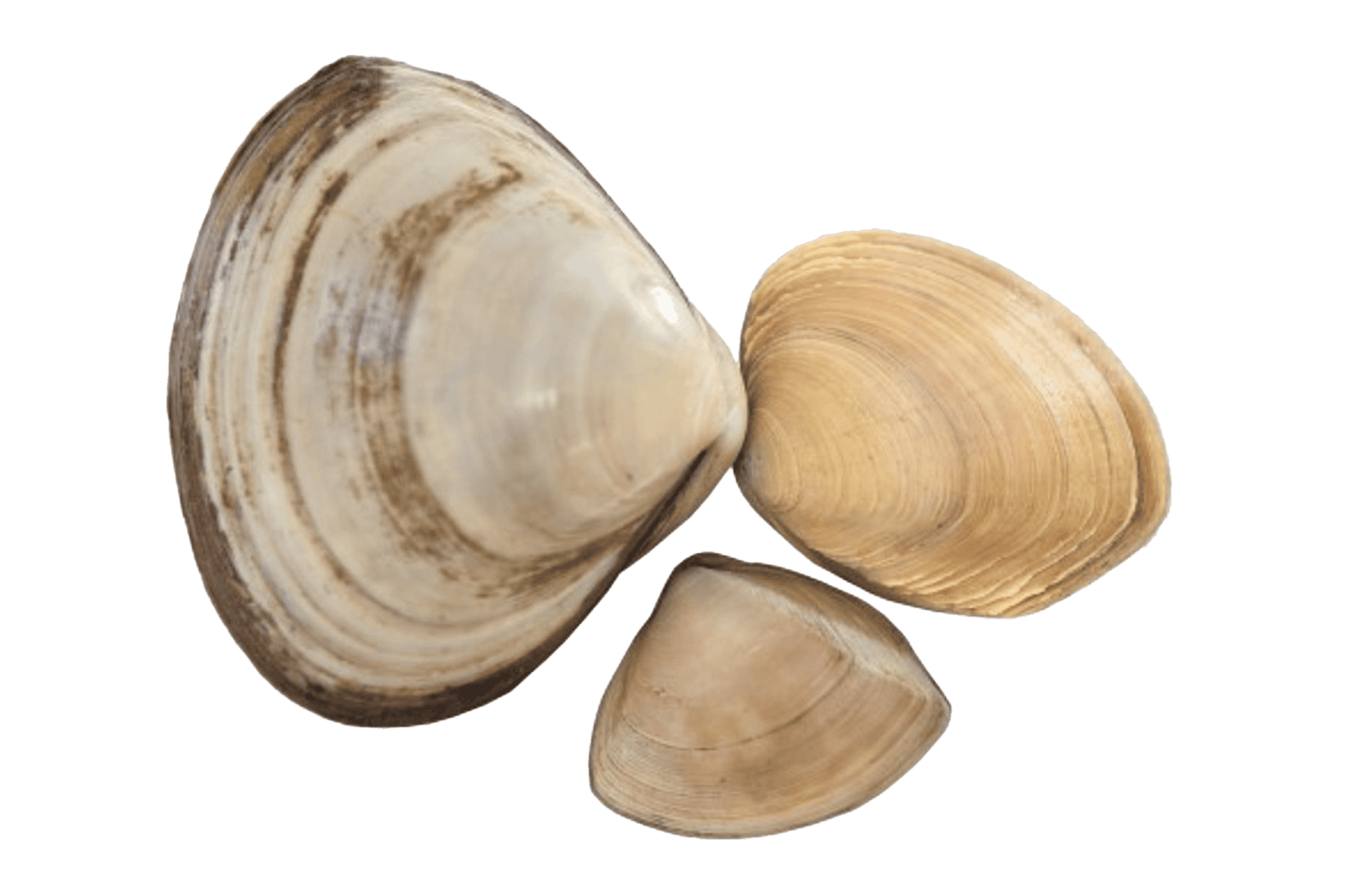
Latin Name: Paphies spp. and other New Zealand clam species
Length: 3-4cm
Family: New Zealand clams belong to several families of bivalve shellfish, including surf clams of the genus Paphies. Common species include pipi, tuatua, deepwater tuatua and toheroa
- Wild Caught
- Farmed
Location
Clams are found throughout New Zealand’s coastal waters, from sheltered estuaries and harbours to exposed surf beaches. Most species spend their lives buried in sand, where they filter seawater to obtain food. Different species occur in different habitats, with surf clams such as tuatua and toheroa commonly found on ocean beaches.
Sustainability
Sustainability of New Zealand’s clam fisheries is supported through the Fisheries Act and Quota Management System (QMS). Several surf clam species are managed under the QMS, including ringed dosinia, silky dosinia, frilled venus shell, triangle shell, trough shell, large trough shell and two species of tuatua. Catch limits are reviewed using scientific information and biomass surveys to support sustainable harvest levels.
New Zealand also operates a mandatory shellfish quality assurance programme for bivalve shellfish harvested for human consumption. This includes water quality monitoring, microbiological testing and biotoxin surveillance to help ensure shellfish are safe to eat.
Fishing Methods
Fishing Season
-
JAN
-
FEB
-
MAR
-
APR
-
MAY
-
JUN
-
JUL
-
AUG
-
SEP
-
OCT
-
NOV
-
DEC
Nutrition
Seafood is a highly nutritious food and is a great source of protein. Many species are low in saturated fat and a number of them are a good source of Omega 3.
Did you know?
New Zealand operates a comprehensive shellfish quality assurance programme for all bivalve shellfish harvested for human consumption. Managed in partnership with government agencies, public health authorities and the shellfish industry, the programme includes catchment surveys, water quality monitoring, microbiological testing and marine biotoxin surveillance. Because clams are filter feeders that continuously process seawater for food, this monitoring plays an important role in ensuring shellfish harvested for human consumption are safe to eat. Shellfish harvested outside approved monitoring programmes can only be sold for bait.
Cooking Tips
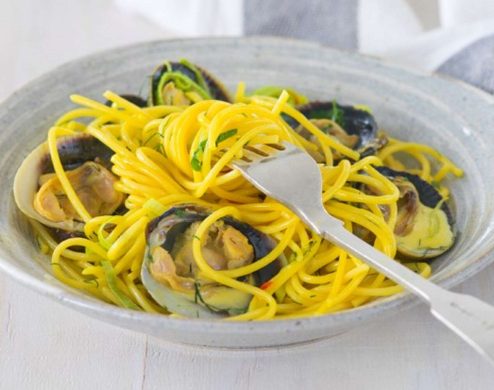
Clams are prized for their sweet, briny flavour and tender texture. They are delicious when prepared simply, and are a popular ingredient in many seafood dishes.
Try them:
• Steamed
• Barbecued
• Baked
• Fried
• In soups and chowders
• In pasta dishes
Clams pair particularly well with garlic, butter, white wine, chilli and fresh herbs.