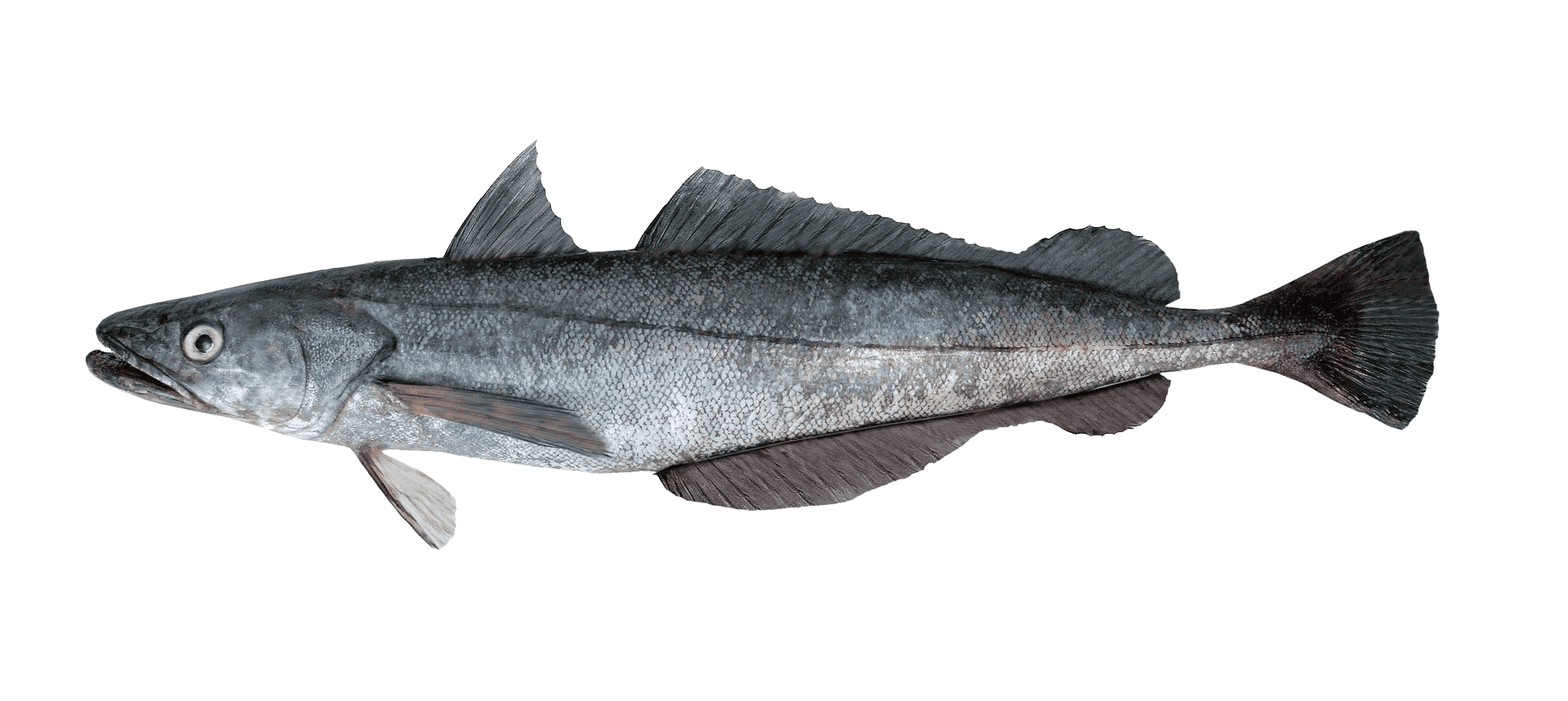
Latin Name: Merluccius australis

Weight: 2–9kg (up to 14kg)

Length: 70–100cm

Family: This species of hake of the Merlucciidae family (hakes) is restricted to New Zealand, but there are more than a dozen hake and whiting species that inhabit temperate and cold waters in the northern and southern hemispheres.

  • Wild Caught
  • Farmed

Location

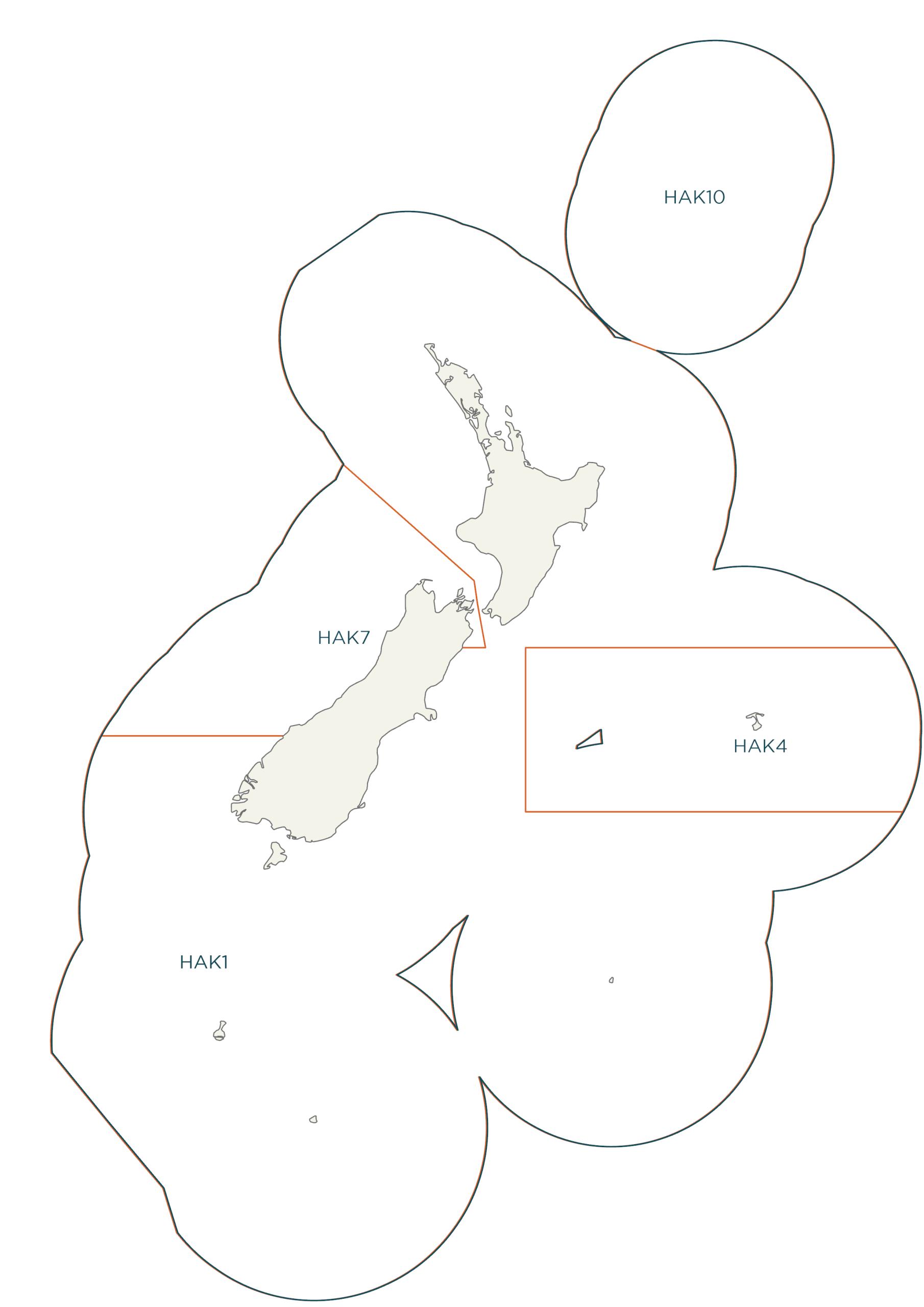
New Zealand hake is found around the South Island and key offshore fishing areas.

  • Common around:
    • Chatham Rise
    • Campbell Plateau
    • Waters off the east and west coasts of the South Island ​​
  • Typically found at depths of 200–800 metres ​​

Hake are primarily harvested by trawl and are often associated with hoki and ling fisheries.

Sustainability

Hake is managed under New Zealand’s Fisheries Act and the Quota Management System (QMS), which sets limits on how much fish can be caught to ensure long-term sustainability. ​This system is supported by ongoing scientific research, monitoring, and regular reviews of catch limits. Find out what the QMS is and how it works.

MSC Certification

New Zealand hake fisheries (HAK 1, HAK 4, HAK 7) are certified to the Marine Stewardship Council (MSC) standard.

  • First certified in 2014, the hake fishery continues to meet MSC sustainability requirements through regular independent audits.​
  • Hoki, hake, ling and southern blue whiting fisheries are assessed together as part of MSC certification, reflecting their overlap and the way they are managed as a combined fishery complex.

Learn more about certification and access audit reports on our Third Party Certification page.

Fishing Methods

Trawl Trawl

Fishing Season

  • JAN

  • FEB

  • MAR

  • APR

  • MAY

  • JUN

  • JUL

  • AUG

  • SEP

  • OCT

  • NOV

  • DEC

Peak Season
Off Season

Nutrition

Source: Biotin (vitamin B7), Iodine, Phosphorus, Potassium

Good Source: Niacin (vitamin B3), Vitamin B12, Selenium, Omega-3 fatty acids

Seafood is a highly nutritious food and is a great source of protein. Many species are low in saturated fat and a number of them are a good source of Omega 3.
Did you know?

Hake is a deepwater species known for its moist white flesh, delicate flavour, and low bone content. Like its close relative hoki, it is well suited to products such as fish fingers.

Cooking Tips

Hake flesh is moist and white with few bones and a soft, delicate texture. Try it;

  • marinated
  • poached
  • baked
  • curried
  • casseroled
  • soup/chowder
csm_Hake_07180206f9

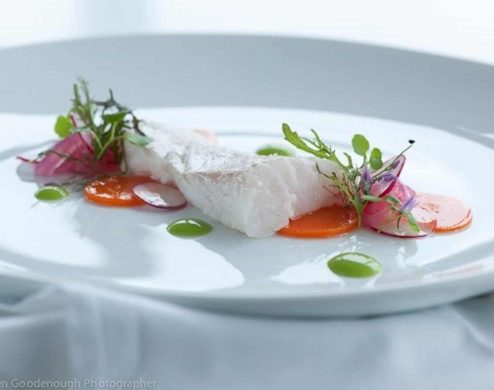
Hake escabeche with avocado oil

Search