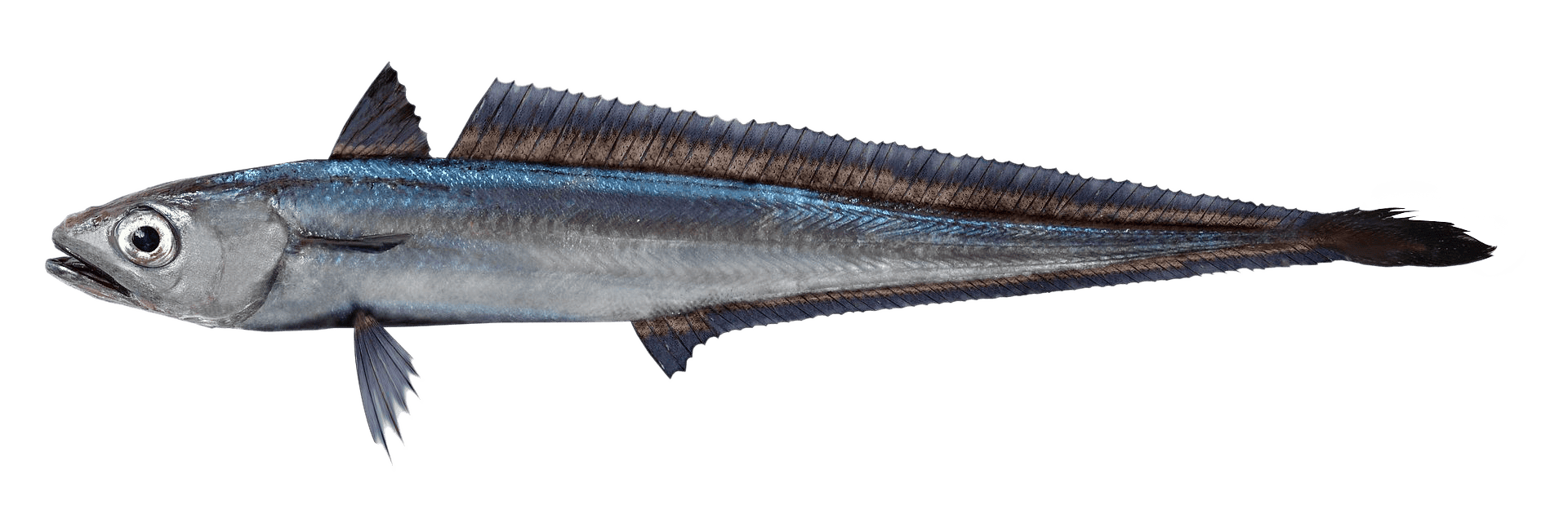
Latin Name: Macruronus novaezelandiae
Weight: 0.5–3.5kg
Length: 60–100cm
Family: Hoki belong to the Merlucciidae family (hakes).
- Wild Caught
- Farmed
Location
Hoki are found in deep waters around New Zealand, primarily beyond the continental shelf.
- Most common at depths of 300–600 metres
- Found between 50 and 900 metres overall
- Key fishing areas include:
Hoki are caught year-round, mainly using midwater and bottom trawl methods.
Sustainability
Hoki is managed under New Zealand’s Fisheries Act and the Quota Management System (QMS), which sets limits on how much fish can be caught to ensure long-term sustainability. This system is supported by ongoing scientific research, monitoring, and regular reviews of catch limits. Find out what the QMS is and how it works.
MSC Certification
New Zealand hoki fisheries (HOK 1 East and HOK 1 West) are certified to the Marine Stewardship Council (MSC) standard.
- First certified in 2001, the hoki fishery was the first major whitefish fishery in the world to achieve MSC certification.
- The fishery has undergone multiple reassessments and continues to meet MSC sustainability requirements.
- Hoki, hake, ling and southern blue whiting fisheries are assessed together as part of MSC certification, reflecting their overlap and the way they are managed as a combined fishery complex.
Learn more about certification and access audit reports on our Independent Certification page.
Fishing Methods
Fishing Season
-
JAN
-
FEB
-
MAR
-
APR
-
MAY
-
JUN
-
JUL
-
AUG
-
SEP
-
OCT
-
NOV
-
DEC
Nutrition
Source: Vitamin B6, Phosphorus, Potassium
Good Source: Niacin (vitamin B3), vitamin B12, Selenium, Omega-3 fatty acids
Seafood is a highly nutritious food and is a great source of protein. Many species are low in saturated fat and a number of them are a good source of Omega 3.
Did you know?
Hoki’s easy-flaking and mild-tasting flesh makes it particularly suitable for popular fast-food products like fish fingers and fish burgers.
Cooking Tips
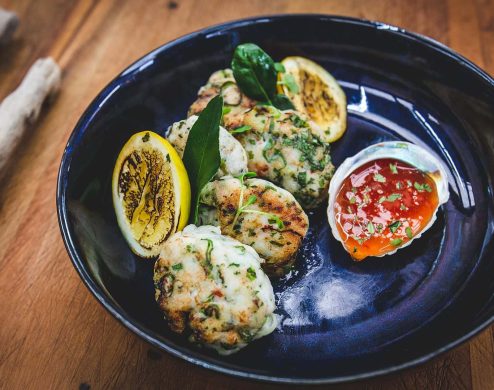
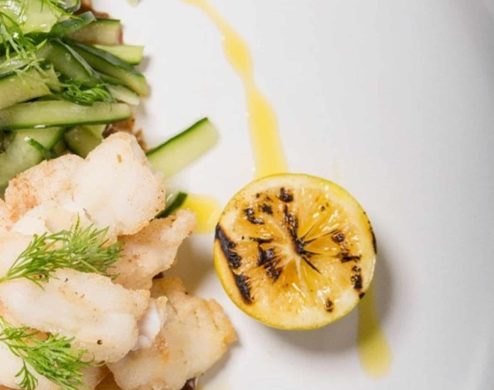
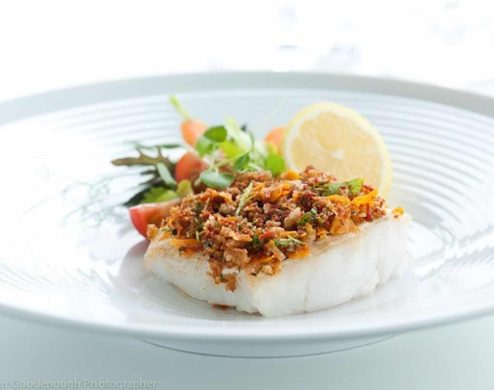
Hoki has delicate white flesh and is suitable for most methods of cooking (except pan frying crumbed or battered hoki) as the fillet flakes easily. Fresh fillets are ideally suited for use in fish cakes, a fish pie, curry or chowder. Frozen hoki is a convenient option to consider.