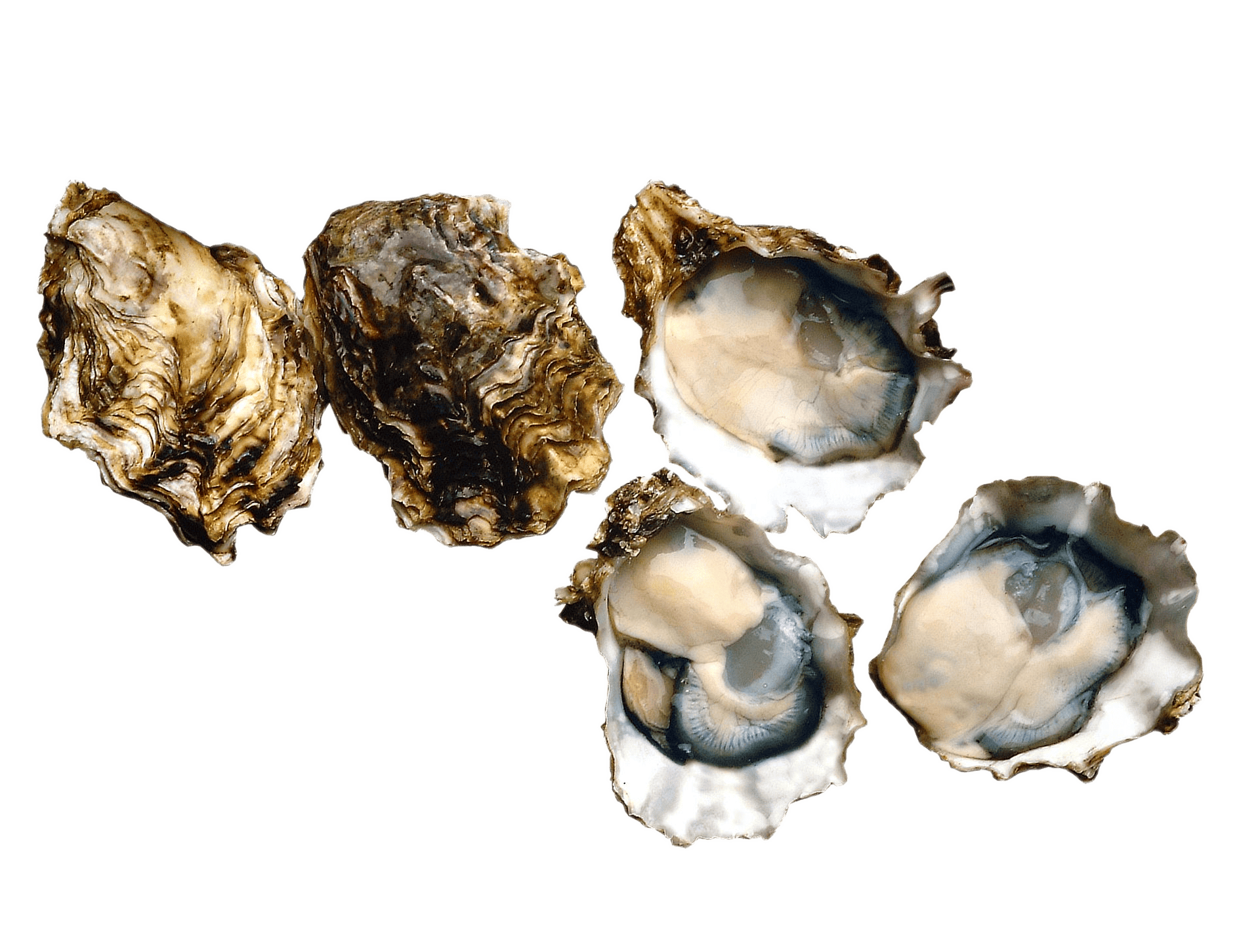
Latin Name: Crassostrea gigas
Length: 10–12cm, reaching 18cm
Family: The Pacific oyster belongs to the Ostreidae family (oysters).
- Wild Caught
- Farmed
Location
Widely distributed around the world, it has provided a foundation for oyster aquaculture and was probably an accidental import to New Zealand. The species is found largely around the north of the North Island, where it is now the main oyster farmed by aquaculture. It has spread by natural processes all around the North Island and across Cook Strait to the northern part of the South Island.
Sustainability
New Zealand Pacific oysters are widely recognised as a highly sustainable seafood. Farmed at intertidal and sub tidal sites around New Zealand, using both naturally settling and commercially produced spat, they reach market size in 12 – 20 months, feeding on naturally occurring plankton. Every oyster farm must operate in accordance with a resource consent that sets strict conditions determined and enforced by the local council. The consent is in effect a licence that tightly controls, among other things, the size of the farm, activities permitted and required monitoring. The Quota Management System does not apply to Pacific oysters; it is instead governed by provisions within the Resource Management Act and the Aquaculture Act.
Fishing Methods
Fishing Season
-
JAN
-
FEB
-
MAR
-
APR
-
MAY
-
JUN
-
JUL
-
AUG
-
SEP
-
OCT
-
NOV
-
DEC
Nutrition
Source: Riboflavin (vitamin B2), vitamin D, Manganese, Phosphorus
Good Source: Biotin (vitamin B7), niacin (vitamin B3), vitamin B12, vitamin C, Copper, Iodine, Iron, Magnesium, Selenium, Zinc
Seafood is a highly nutritious food and is a great source of protein. Many species are low in saturated fat and a number of them are a good source of Omega 3.
Did you know?
Pacific oysters are high in protein and essential amino acids, offering a great natural source of zinc which is crucial for a strong immune system. Five oysters will supply more than 100 percent of an adult’s daily zinc requirement.
Cooking Tips
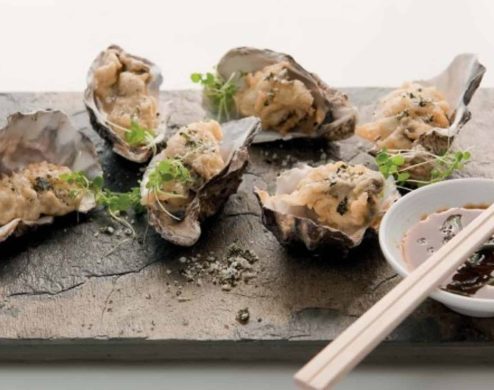
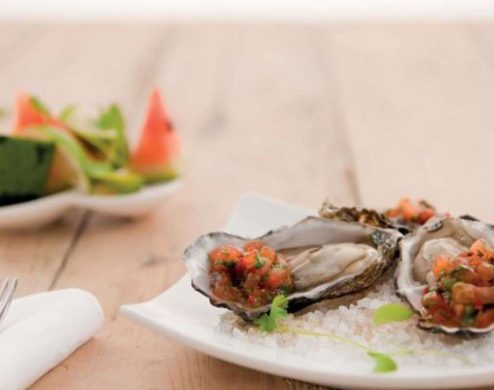
Pacific oysters are arguably best eaten fresh, raw and straight from the shell, however they can also be
- baked
- barbequed
- fried, poached
- smoked
- steamed
- in a soup/chowder
Shuck fresh oysters an hour before you want to eat them and put them on ice – this will chill the oysters down and plump them up. They require very little cooking time (about 5 minutes on a barbeque or in the oven) and should be heated slowly to avoid a rubbery texture. Regardless of which cooking method you choose, the oysters are ready when the mantle starts to curl.