Latin Name: Nemadactylus douglasi

Weight: 2–4kg, up to 6kg

Length: 40–60cm

Family: Porae is a member of the Cheilodactylidae family of morwongs and is closely related to tarakihi. It is recognised for its mild flavour, firm white flesh and distinctive dark colouring

  • Wild Caught
  • Farmed

Location

Porae are found mainly in the warmer waters of the upper North Island. They inhabit sandy seabeds and reef margins from shallow coastal waters to depths of 60 metres or more.

Sustainability

The sustainability of this New Zealand fish stock is ensured through the world-leading Fisheries Act and Quota Management System (QMS). The QMS guides the sustainable use of New Zealand fisheries. Find out what the QMS is and how it works.

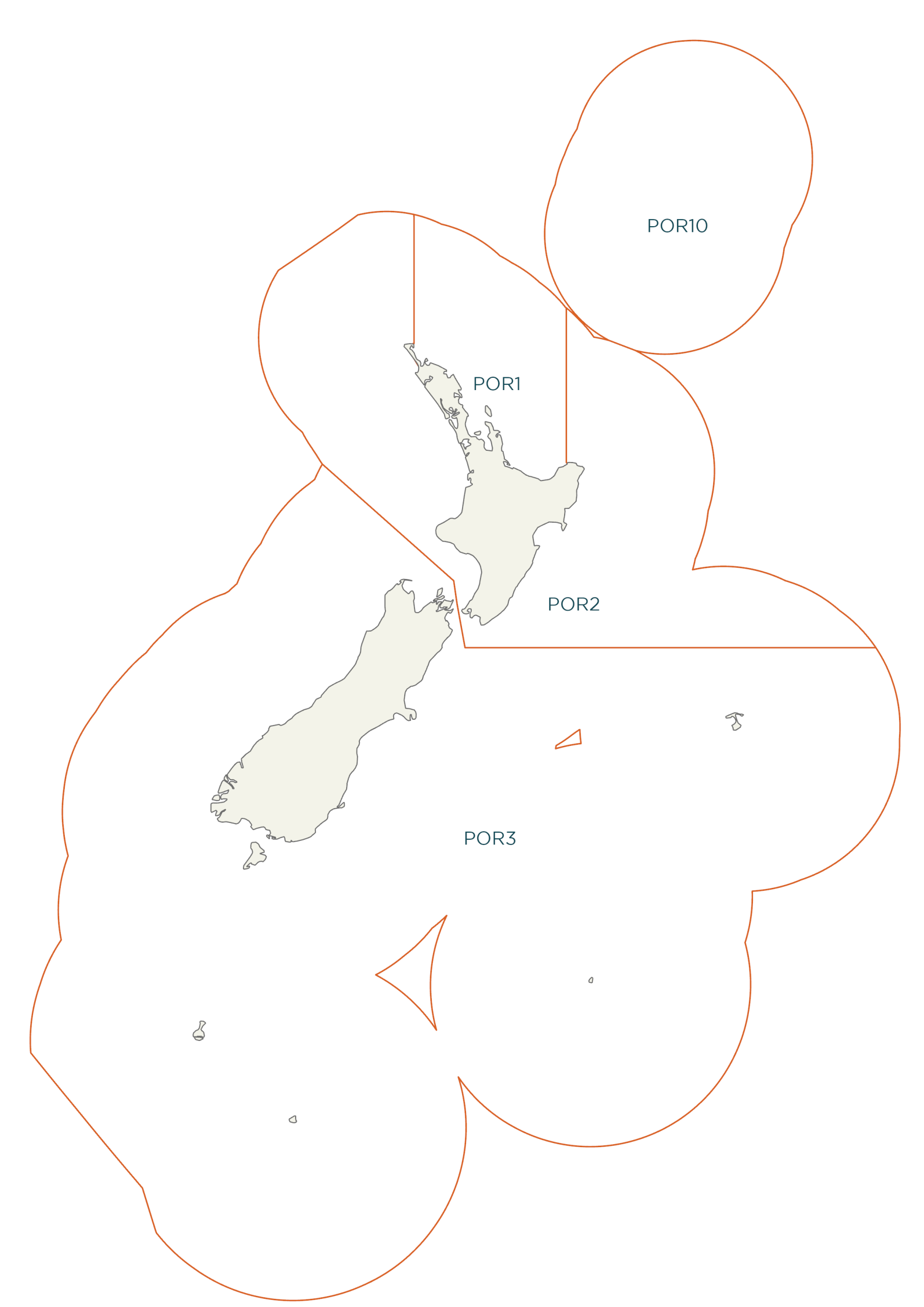
The adjacent map shows the quota management areas (QMAs) relevant to this fishery. Source: Fisheries New Zealand (MPI) NABIS spatial data.

Fishing Methods

Fishing Methods

Hook & Line Hook & Line
Trawl Trawl

Fishing Season

  • JAN

  • FEB

  • MAR

  • APR

  • MAY

  • JUN

  • JUL

  • AUG

  • SEP

  • OCT

  • NOV

  • DEC

Peak Season
Off Season

Nutrition

Source: Biotin (vitamin B7), Iodine, Phosphorus, Potassium

Good Source: Niacin (vitamin B3), Vitamin B12, Vitamin D, Selenium

Seafood is a highly nutritious food and is a great source of protein. Many species are low in saturated fat and a number of them are a good source of Omega 3.


Did you know?

Despite growing quickly when young, porae are surprisingly long-lived, with some fish reaching 30 years of age.

Cooking Tips

Porae has mild-flavoured, firm white flesh that holds together well during cooking. Its versatility makes it suitable for a wide range of dishes, from simple fillets to hearty seafood meals.

Try it:

• Pan-fried
• Barbecued
• Baked
• In soups and chowders

csm_Fishermen_s_Hash_2_880fd42017

Fishermen’s hash

csm_Screenshot_2025-12-04_100515_418d4fe7be

Zak and Tamar’s gochujang pōrae crudo

Search