All Species

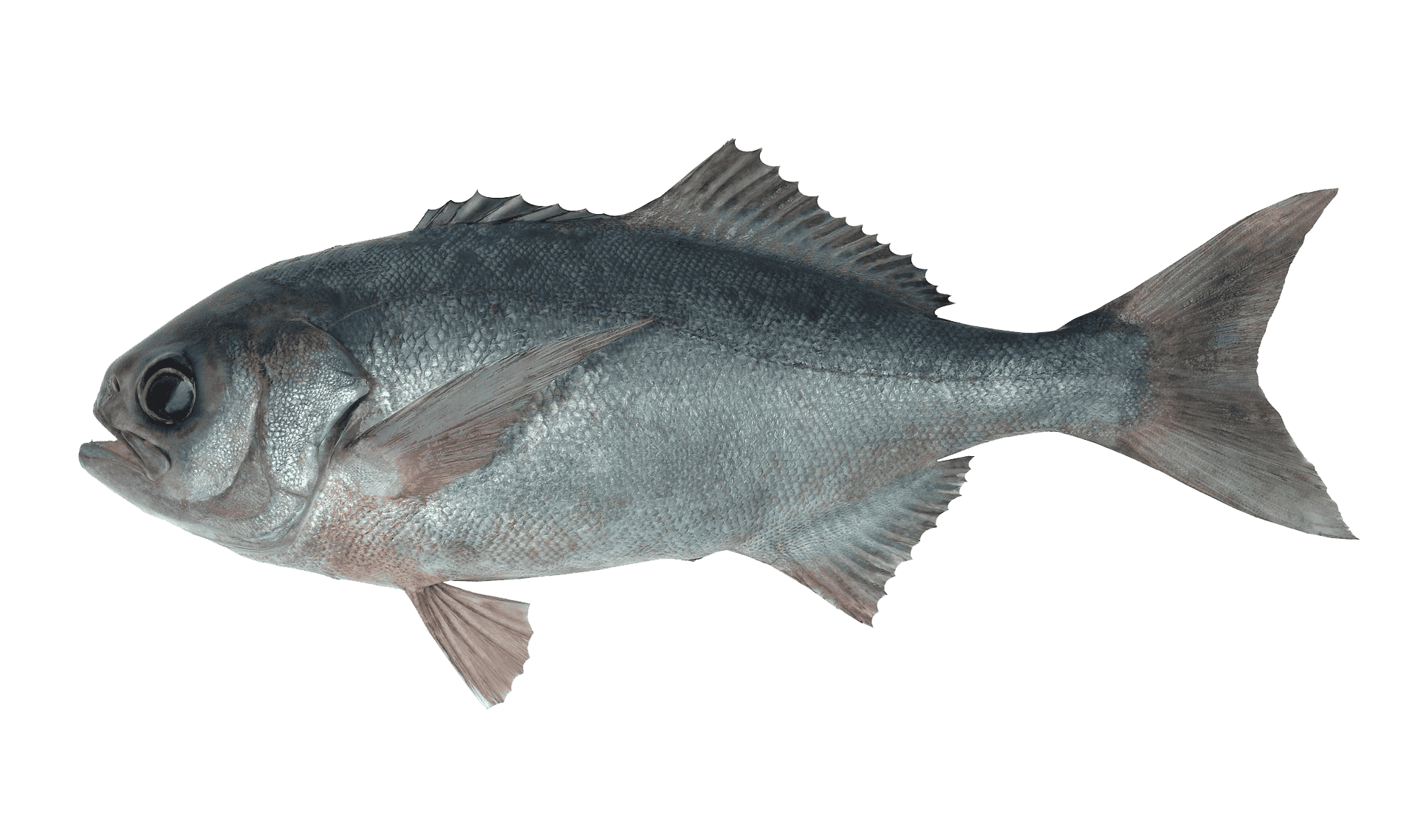
Bluenose

Latin Name: Hyperoglyphe antarctica

Weight: 10 kg average, often exceeding 20kg

Length: 60–100cm, reaching 130cm

Family: Bluenose belong to the Centrolophidae family (raftfish, medusafish).

  • Wild Caught
  • Farmed

Location

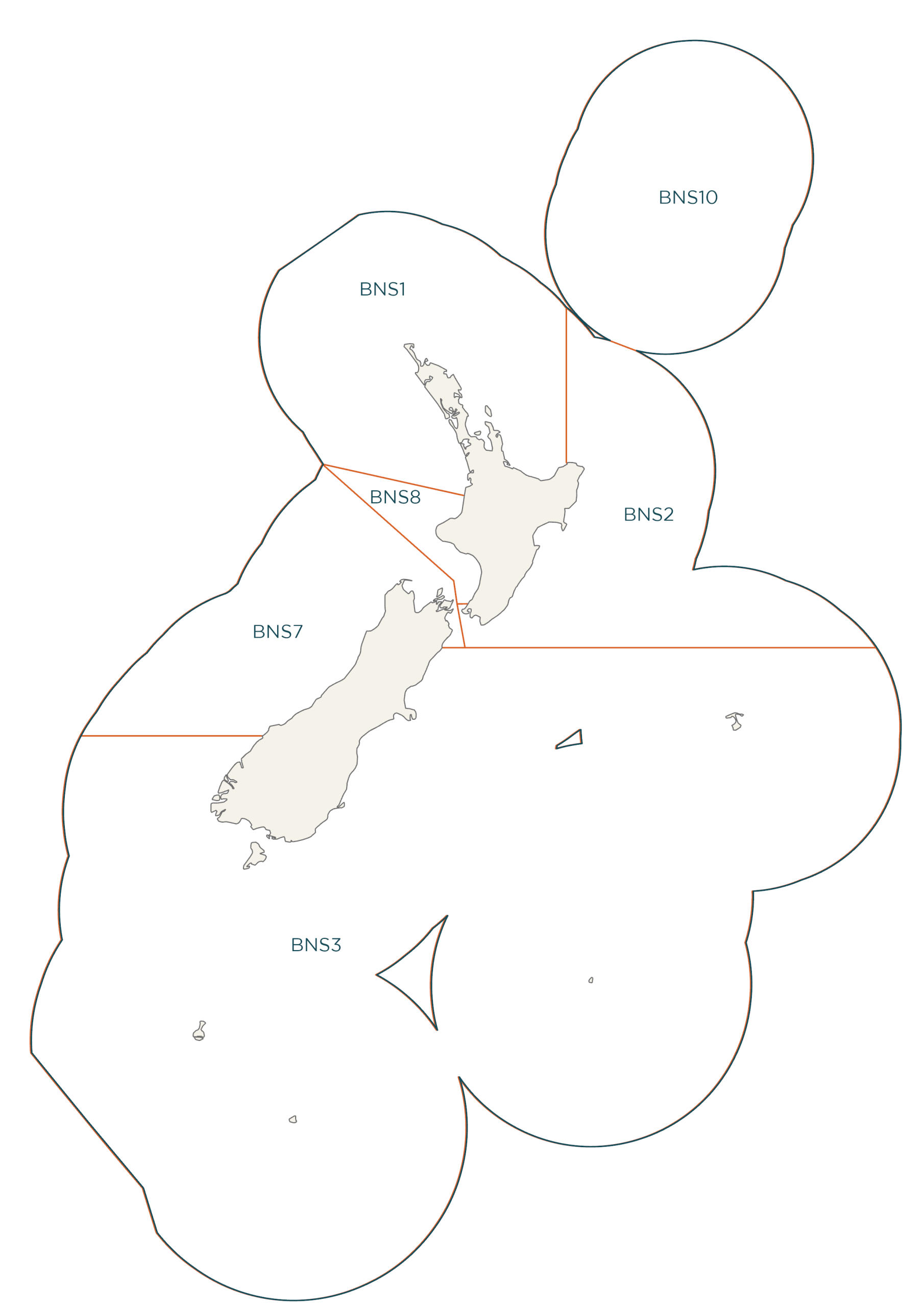
They are found in the temperate waters of the Southern Hemisphere. They like rough ground on the outer shelf and upper slope, especially from 100 to 500 metres.

Sustainability

Sustainability of this New Zealand fish stock is ensured through the world-leading Fisheries Act and Quota Management System (QMS). The QMS guides the sustainable use of New Zealand fisheries. Find out what the QMS is and how it works.

Fishing Methods

Fishing Methods

Hook & Line Hook & Line
Trawl Trawl

Fishing Season

  • JAN

  • FEB

  • MAR

  • APR

  • MAY

  • JUN

  • JUL

  • AUG

  • SEP

  • OCT

  • NOV

  • DEC

Peak Season
Off Season

Nutrition

Source: Biotin (vitamin B7), Iodine, Phosphorus, Potassium

Good Source: Niacin (vitamin B3), Vitamin B12, Selenium, Omega-3 fatty acids

Seafood is a highly nutritious food and is a great source of protein. Many species are low in saturated fat and a number of them are a good source of Omega 3.

Did you know?

Bluenose are caught mainly around or on offshore reefs or areas where the sea floor slopes steeply, for example, on seamounts.

Cooking Tips

Bluenose flesh has medium to thick moist flakes and can be cooked using most methods.  Try it;

  • baked
  • barbequed
  • marinated
  • poached
  • soup/chowder
  • fried

Bluenose Recipes

Search