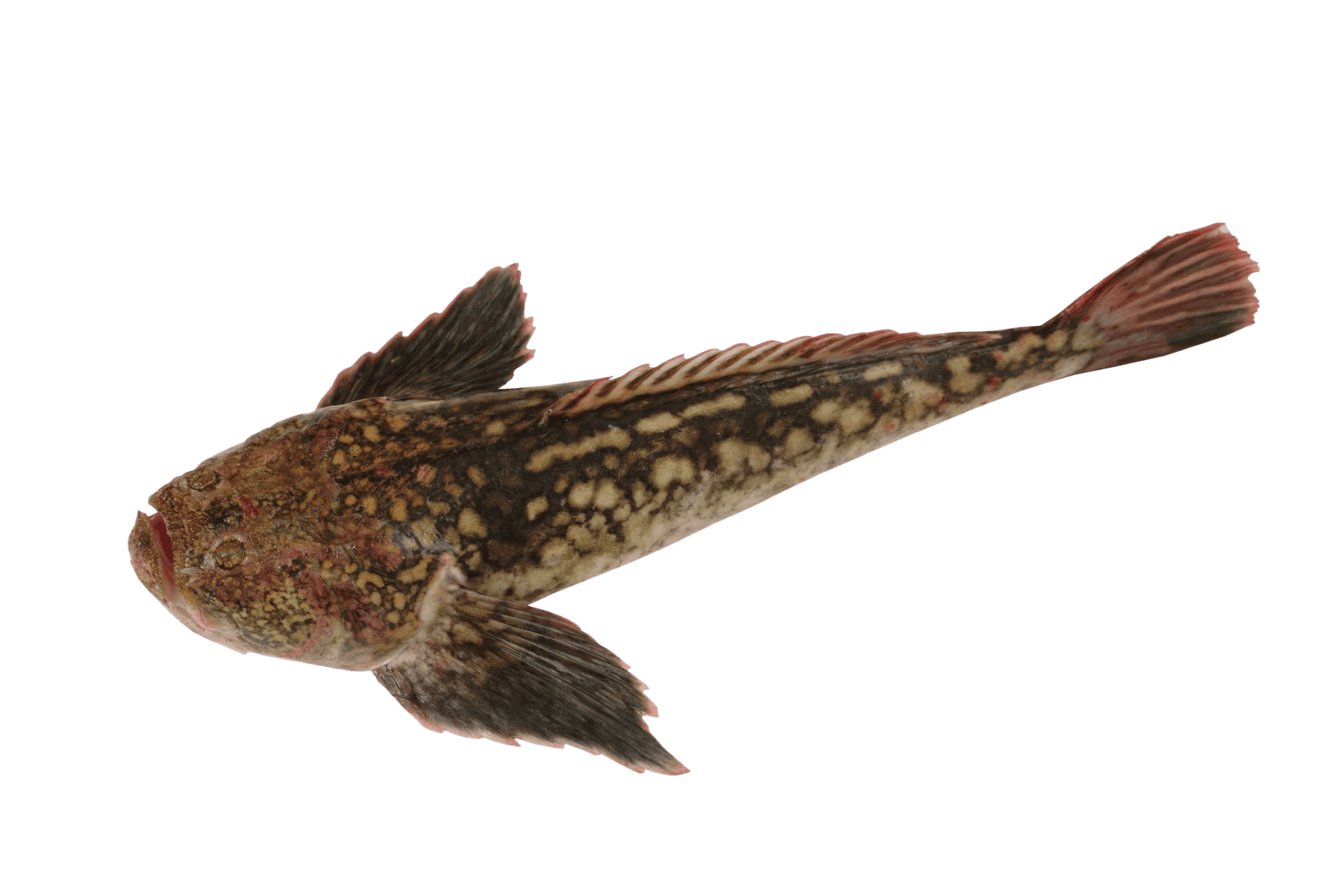
Monkfish (giant stargazer) is a uniquely New Zealand species found throughout coastal and offshore waters around the country. It inhabits sandy and muddy seabeds on the continental shelf, where it often buries itself with only its eyes visible as it waits to ambush prey. The species occurs from shallow coastal waters to depths of more than 600 metres and is regularly harvested in New Zealand commercial fisheries
Sustainability
The sustainability of this New Zealand fish stock is ensured through the world-leading Fisheries Act and Quota Management System (QMS). The QMS guides the sustainable use of New Zealand fisheries. Find out what the QMS is and how it works.
The adjacent map shows the quota management areas (QMAs) for this fishery. Source: Fisheries New Zealand (MPI) NABIS spatial data.
Good Source: Niacin (vitamin B3), vitamin B12, Selenium
Seafood is a highly nutritious food and is a great source of protein. Many species are low in saturated fat and a number of them are a good source of Omega 3.
Did you know?
The appearance of Monkfish can be off-putting to some. This was the case in South Korea until the 1940s when a shortage of other fish caused the need to take a second look. Fishers challenged their local cooks to create a dish tasty enough to overcome the ugly factor. The result is ‘agujiim’, a spicy delicacy.
Cooking Tips
Monkfish/stargazer flesh is firm, succulent and pearly white, with a low oil content. It is suited to;

 Trawl